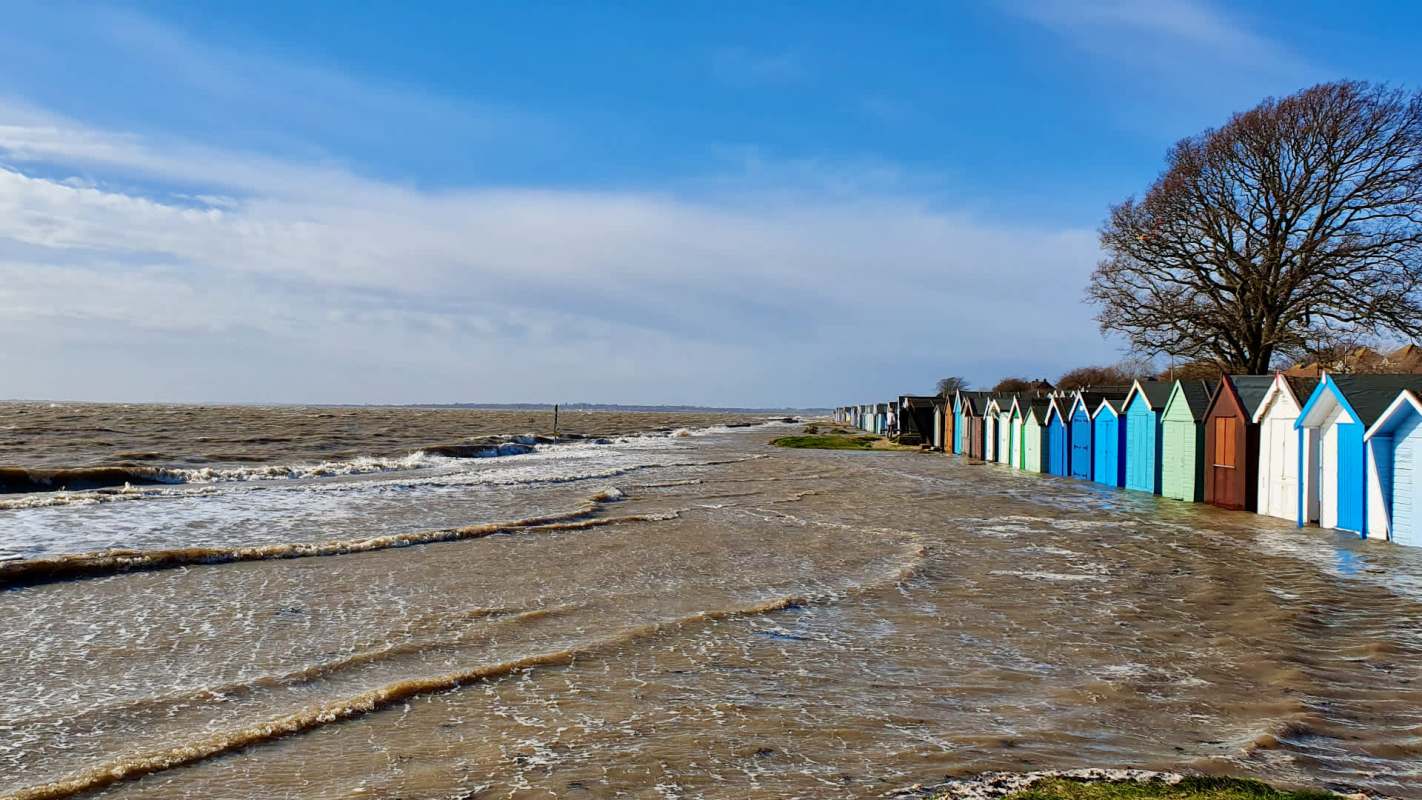
What started as a calm night near Sydney's Botany Bay ended in chaos. Sudden flooding left a couple scrambling for safety as they watched their seaside home being swamped without warning.
What's happening?
The State Emergency Service arrived just as Steve and Stephanie Psomadelis were about to climb out a side window. "We grabbed the cat and got out of there," Steve said, per The Sydney Morning Herald.
The flooding resulted from an east coast low. This is a storm system known for pushing powerful swells toward Australia's shoreline, according to the Guardian. Waves kept crashing until morning, The New Daily reported.
The New South Wales government notes sea levels could rise by as much as 2.3 meters by 2100. The AdaptNSW page stated that it could increase by 5.5 meters by 2150 as pollution from burning gas, oil, and coal traps more heat in the air and oceans.
Human-induced pollution supercharges extreme weather events, intensifying storms and threatening communities.
Why is this concerning?
Julian O'Grady, a scientist at the Commonwealth Scientific and Industrial Research Organisation, told SMH that rising sea levels increase the risk of coastal erosion. Sandbags will not hold it back for long.
TCD Picks » Quince Spotlight
💡These best-sellers from Quince deliver affordable, sustainable luxury for all




In Inverloch, Victoria, homeowners have already called for stronger defenses after sandbag barriers failed to protect their beaches.
For many families, these homes are lifelong investments they can't simply leave behind. One resident feared that if the coastal road is breached by flooding or erosion, it could cut off access to workplaces and essential services.
Rising seas place more than people at risk. Changes in ocean currents and rising temperatures can trigger the growth of toxic algal blooms that harm marine animals and disrupt local fishing and tourism.
What's being done about it?
O'Grady and coastal researcher Dr. Mitchell Harley monitor sea levels before and after extreme weather.
|
Should we be harnessing the ocean to power our homes? Click your choice to see results and speak your mind. |
 Absolutely 👍
 Harley runs CoastSnap, a citizen science project that invites people to share photos of their beaches. He collects and analyzes these images to track coastal erosion and inform research on new safety zones for future buildings.
New South Wales has a 37-step State Disaster Mitigation Plan highlighted by closer work with insurers to reduce community risks. The plan also endorses nature-based solutions, including ecosystem restoration and the use of indigenous land management practices.
If you live near the shore, consider drainage upgrades or raised construction, and stay informed about critical climate issues.
Residents in areas that experience frequent power outages can stay safer by adding solar panels with battery storage. EnergySage helps compare trusted installers and may save you up to $10,000.

Join our free newsletter for good news and useful tips, and don't miss this cool list of easy ways to help yourself while helping the planet.