


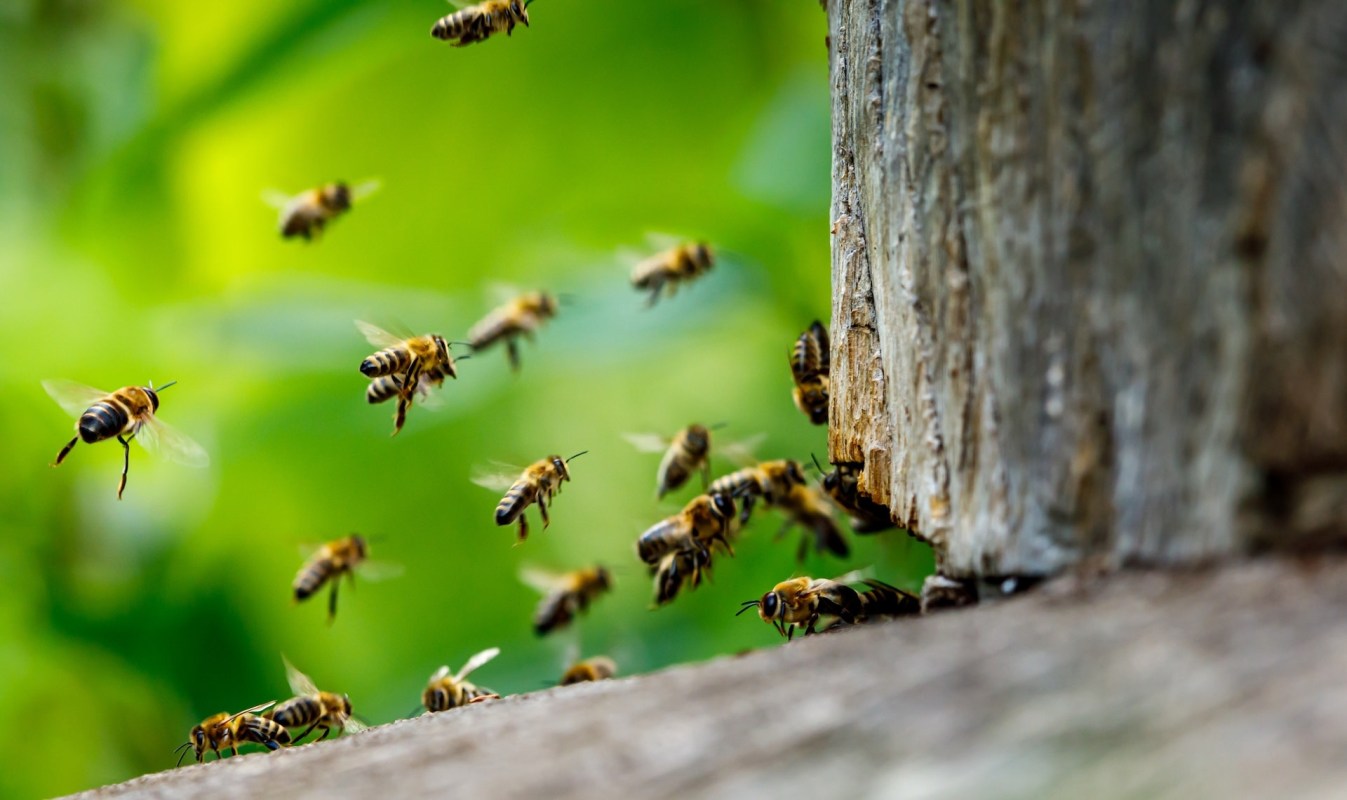
There's been a surge in the number of Africanized honey bees across the southern United States, prompting experts to issue warnings.
What's happening?
The Africanized honey bee is an invasive species that's been spreading slowly into the U.S. for decades. They have been spotted in 13 warm southern states — fortunately, they can't survive in cooler temperatures.
Humans and animals have suffered attacks and even died as a result of encountering these "killer" bees.
Their sting is no more deadly or painful than a common honey bee, but they still pose a significant threat, according to a report by the Clarion Ledger.
Why are Africanized bees concerning?
Africanized honey bees are more aggressive in nature and likely to sting if their hive is threatened. They may also swarm and follow a target for up to a mile, which is much farther than a native honey bee may follow.
For now, the bees are limited to warm environments in the south, stopping them from spreading northward. However, as the planet heats up and cold weather seasons shrink, this could change, potentially leading to the invasive bees migrating north and increasing their habitable range.
TCD Picks » Quince Spotlight
💡These best-sellers from Quince deliver affordable, sustainable luxury for all




The spread of an invasive species can potentially decimate the biodiversity of a region by outcompeting native species for vital resources.
What can I do to help?
Bees are incredibly important to the balance of the Earth's ecosystem, and some species are threatened and at risk of extinction. It's crucial that they are protected and handled properly in the wild because losing pollinators could jeopardize the human food supply.
If you find a beehive on your property that needs to be safely removed, always enlist the help of a trained professional. Never attempt it on your own "just to save a few bucks," said Juliana Rangel, a professor of apiculture at Texas A&M University, per Clarion Ledger.
"You don't want to mess with them."
|
Do you worry about air pollution in your town? Click your choice to see results and speak your mind. |
 All the time 💯
Join our free newsletter for good news and useful tips, and don't miss this cool list of easy ways to help yourself while helping the planet.







