


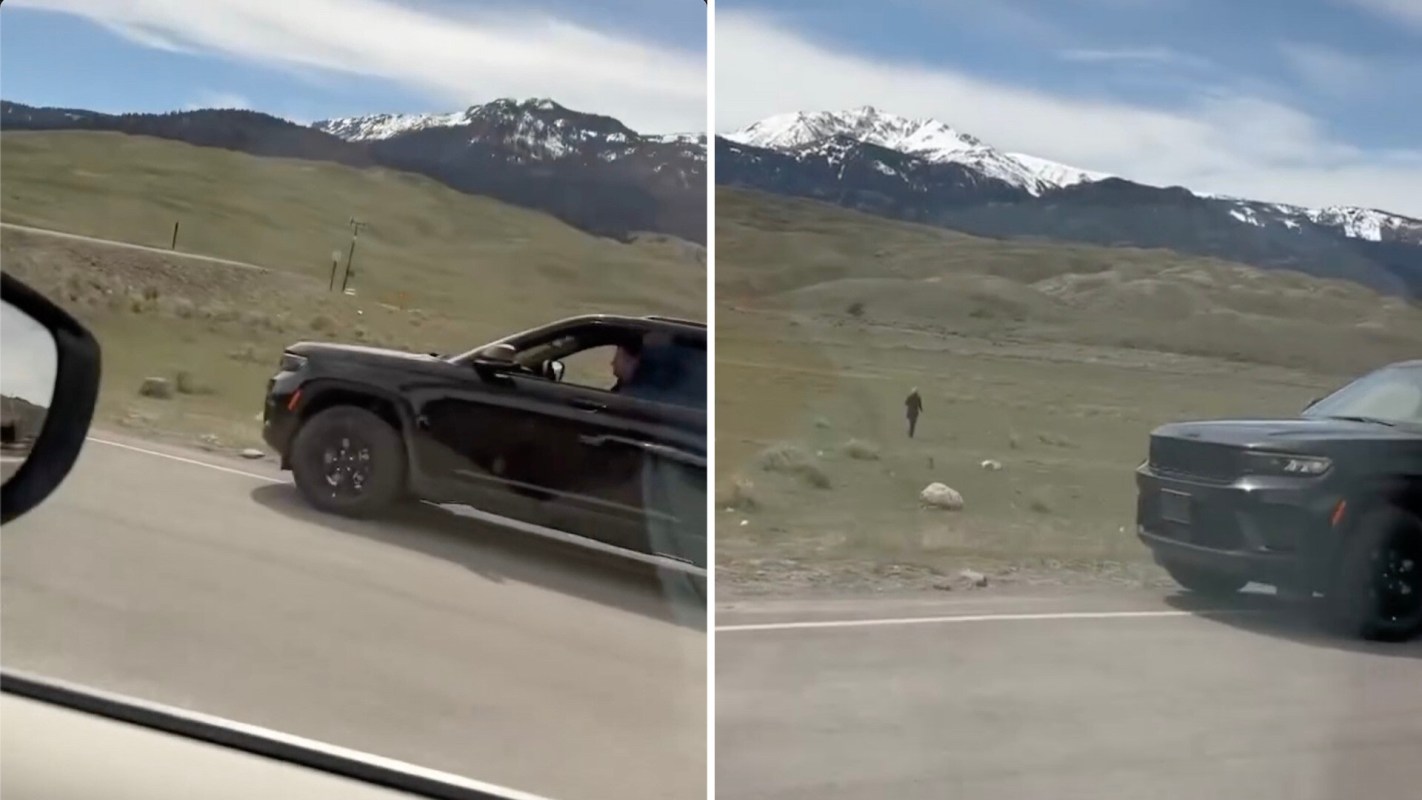
Two videos of a woman approaching an antelope near the Gardiner entrance of Yellowstone National Park have drawn fury on Instagram.
The TouronsOfYellowstone (@touronsofyellowstone) account shared the footage captured by Nick Humen (@nick.humen13), and it soon generated plenty of criticism.
"You can't teach common sense," said one commenter.
The caption explained that the woman came within about five feet of the antelope before the creature fled.
In national parks and elsewhere, the general rule is that humans should not approach wild animals. Observing them can be exciting and educational, but it should be done from a distance for the safety of both the animal and the human.
No matter how cute or friendly the animal may look, their reaction to a human approaching — especially if they are with their young — can be unpredictable and potentially dangerous. Even small animals can bite and spread disease, so it is important to understand the risk and to resist temptation.
TCD Picks » Quince Spotlight
💡These best-sellers from Quince deliver affordable, sustainable luxury for all




But it goes beyond safety. Respecting wildlife by keeping your distance and giving them space helps preserve the natural behaviors of the animals who would not otherwise interact with humans.
When wild animals interact with humans — even in a friendly way — it can suppress their natural instincts and make them more vulnerable to predators and ill-intended humans.
Even worse, feeding these animals can make them sick and even lead to them becoming reliant upon humans for food, which can reduce their drive to hunt or graze. If the human-supplied food suddenly disappears, the animals may not be able to secure enough sustenance on their own for survival.
We can all appreciate and enjoy the access to national parks and other wild areas that allow us to learn about animals. These experiences can actually motivate us to protect these creatures and take steps to reduce harm to the planet. But it's still important to be respectful.
|
Should tourists be responsible for cleaning up their own trash? Click your choice to see results and speak your mind. |
 Absolutely 👏
 "Everyone thinks they're a Disney princess," said one disapproving viewer.
Other commenters who understood the danger seemed to see it as an opportunity to educate others.
One wisely said, "As tempted as I am to hug one [of the antelopes], I would never approach."

Join our free newsletter for good news and useful tips, and don't miss this cool list of easy ways to help yourself while helping the planet.







