


As plastic pollution continues to harm animal, human, and environmental health, countries are looking for resolutions now more than ever before. Fortunately, companies are finding creative ways to give plastics a new meaning.
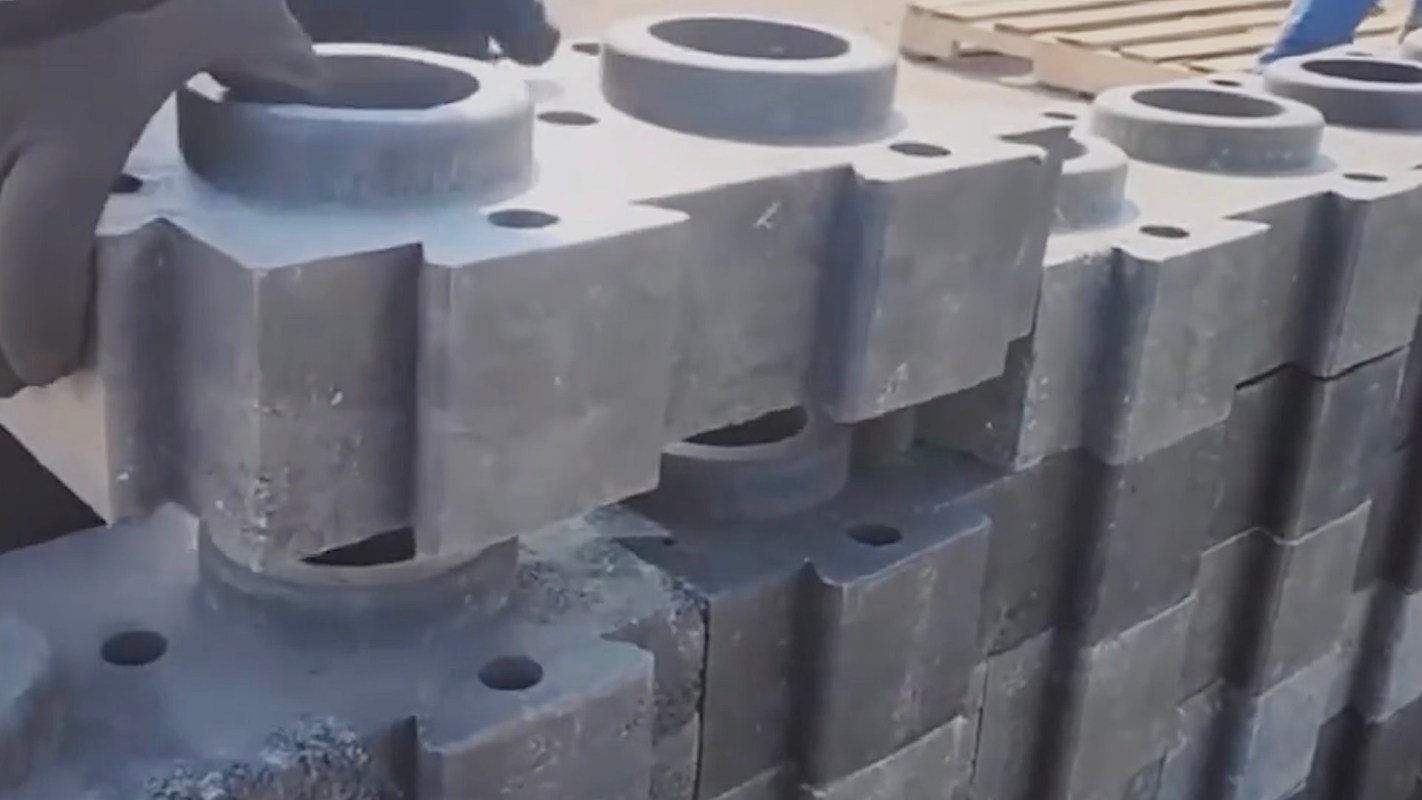
On Instagram, engineering and technology content hub TechLife_75 (@TechLife_75) shared a video detailing how Canadian company Plaex repurposed plastic waste to make durable building bricks for homes.
TikTok creator Eagle Eye (@Eagle_Eye_World) originally posted the viral video. It explains what makes the bricks "practically indestructible," able to withstand the force of a bulldozer.
The video contains a voiceover narrating the process of constructing the bricks. It states that Plaex ensures that plastic waste makes up 90% of the brick material. This allows housing to be built for a growing population while decreasing waste sent to landfills.
The video highlights the simple design and shares that no tools are needed during assembly. They connect like Lego bricks. Additionally, each brick weighs about five pounds and is more than three times sturdier than regular bricks.
"Whoever invented this brick is absolutely a genius," says the voiceover.
TCD Picks » Quince Spotlight
💡These best-sellers from Quince deliver affordable, sustainable luxury for all




Plastic pollution is an increasing issue in our daily lives, as production of the material is at an all-time high.
Sadly, around 79% of plastic waste goes into landfills or the ocean. Around 8 million pieces of plastic reach oceans daily, turning into a hazard for marine life — as noted by the Condor Ferries company and Surfers Against Sewage. The world recycles less than 10% of plastic, according to various estimates.
When waste goes in landfills, that waste releases planet-warming gases like methane. Methane's ability to warm the Earth is up to 80 times stronger than carbon dioxide (though for a shorter time), affecting both our air and oceans. As the National Oceanic and Atmospheric Administration noted, scientists have found plastics in our food supply in the form of microplastics, tiny pieces of plastic less than five millimeters (about 0.2 inches) long.
Scientists are still working to understand their impacts on our health, but they believe the chemicals in the particles are linked to a range of severe issues, including some cancers. Meanwhile, "nurdles" (plastic beads used in manufacturing) can harm fish and other ocean creatures.
"Manufacturers should consider both the recyclability of the material and the likelihood of it being littered when designing plastic items and packaging," Dr. Sarah Key, who conducted research at the University of Leicester, told the Guardian.
Thankfully, there are many plastic-free alternatives for everyday products, and a number of brands are ditching plastic packaging. As for Plaex, it's in good company. Sungai Watch and Gjenge Makers are among the innovators repurposing plastic into practical products.
"Where do I invest," commented one Instagram user of Plaex's innovative bricks.
"Let's go," another wrote.

Join our free newsletter for weekly updates on the coolest innovations improving our lives and saving our planet.






