


Not all microplastics can be seen by the human eye, but these tiny particles seem to have a big impact on our health. A recent study is shedding light on how they may interfere with one of the greatest breakthroughs in modern medicine.
What's happening?
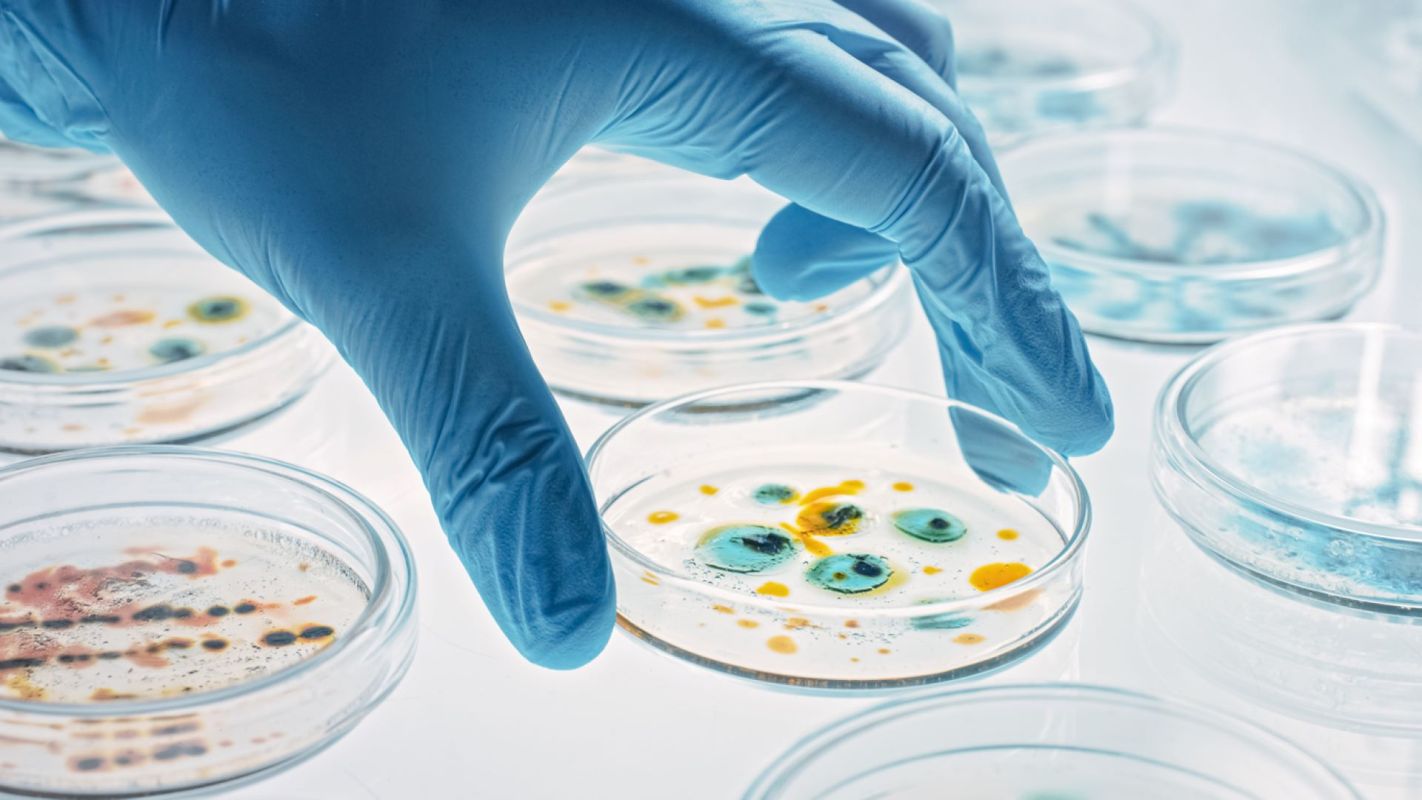
Researchers at Nanjing Tech University and Zhejiang University discovered that microplastics may contribute to antibiotic resistance by enabling them to easily bind to antibiotic-resistance genes, also known as ARGs, making the bacteria resistant to treatment.
"What they found is truly alarming," Earth Day wrote of the study, adding that humans often consume microplastics without being aware of their presence.
Microplastics containing copper and zinc were a notable point of concern, as those elements increased resistance to three types of antibiotics used to treat pneumonia and respiratory infections.
Why is this concerning?
Multiple studies note that antibiotics, which are used to treat bacterial infections, have extended the average lifespan of humans by 23 years, so increased bacteria resistance to life-saving drugs could result in millions of deaths.
In 2019, antimicrobial resistance — which encompasses "resistance to drugs to treat infections caused by other microbes" such as parasites, viruses, and fungi, along with bacteria — directly caused 1.27 million deaths worldwide, according to the World Health Organization. That resistance was also a contributing factor to nearly 5 million deaths.
TCD Picks » Quince Spotlight
💡These best-sellers from Quince deliver affordable, sustainable luxury for all




Alzheimer's disease, cancer, obesity, and fertility issues are among the other health issues linked to microplastics, though the exact impact of these particles is still under review by scientists.
What can be done about microplastics?
At this time, plastic production is higher than ever before, with around 440 million tons of plastic waste generated every year, according to the U.N. Environment Programme.
However, a number of promising solutions are in development to remove microplastics from drinking water. And while boiling and filtering water isn't a cure-all, one study found that it removed up to 90% of the particles.
Additionally, some countries and city governments have begun banning single-use plastic to cut down on the volume of the material circulating. Buying plastic-free alternatives for everyday products, like razors, sandwich bags, and shampoo, can also help with those efforts and be a win for not only your health but also your wallet.

Join our free newsletter for weekly updates on the coolest innovations improving our lives and saving our planet.






