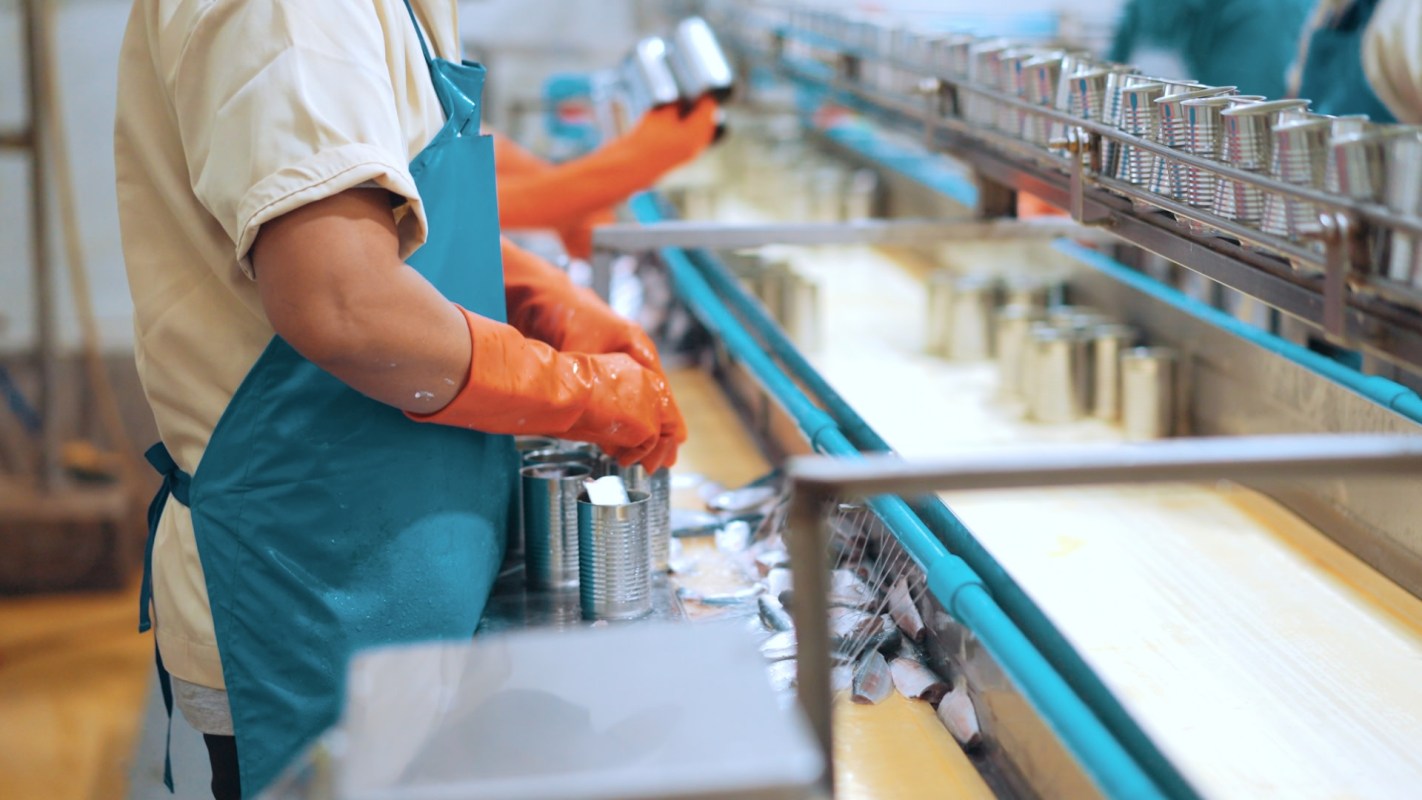
Food manufacturers across parts of the United States are repeatedly violating wastewater pollution permits meant to protect public waterways and drinking water systems, according to a recent investigation. The findings reveal a pattern of routine noncompliance by food and agricultural companies — and limited enforcement even when violations persist.
What's happening?
Reporting by Sentient found that the Iowa Department of Natural Resources issued hundreds of National Pollutant Discharge Elimination System violation notices in 2025 — permits that limit how much pollution facilities can release into wastewater. Thirty-eight agricultural and food-related companies alone received 49 notices between January and August.
One of those companies, Deb El Food Products, was cited for "significant noncompliance" after months of releasing wastewater that exceeded toxic compound limits. State officials warned that such violations pose "a great threat to water quality and public health," noting that high levels of contaminants like nitrates in drinking water "can be life-threatening to babies and may increase cancer risk in adults."
Despite the volume of violations, enforcement has been limited. Of the 38 agricultural violators identified last year, only one facility has been fined. Agri Star received a $50,000 penalty for 60 violations over multiple years — a settlement environmental lawyers involved in the case described as a "sweetheart deal," reported Sentient.
Other companies have continued violating permits with no financial consequences. Green Plains Renewable Energy was noncompliant every month from November 2024 through last June and has violated its permit annually since 2021, according to state records.
Why is this concerning?
NPDES permits are intended to ensure companies pretreat wastewater before sending it to municipal treatment plants. When facilities exceed pollution limits, the burden shifts to public systems — many of them small and under-resourced — that struggle to remove excess nitrogen, ammonia, and other contaminants before water is released into nearby rivers and streams.
Perk up the winter blues with natural, hemp-derived gummies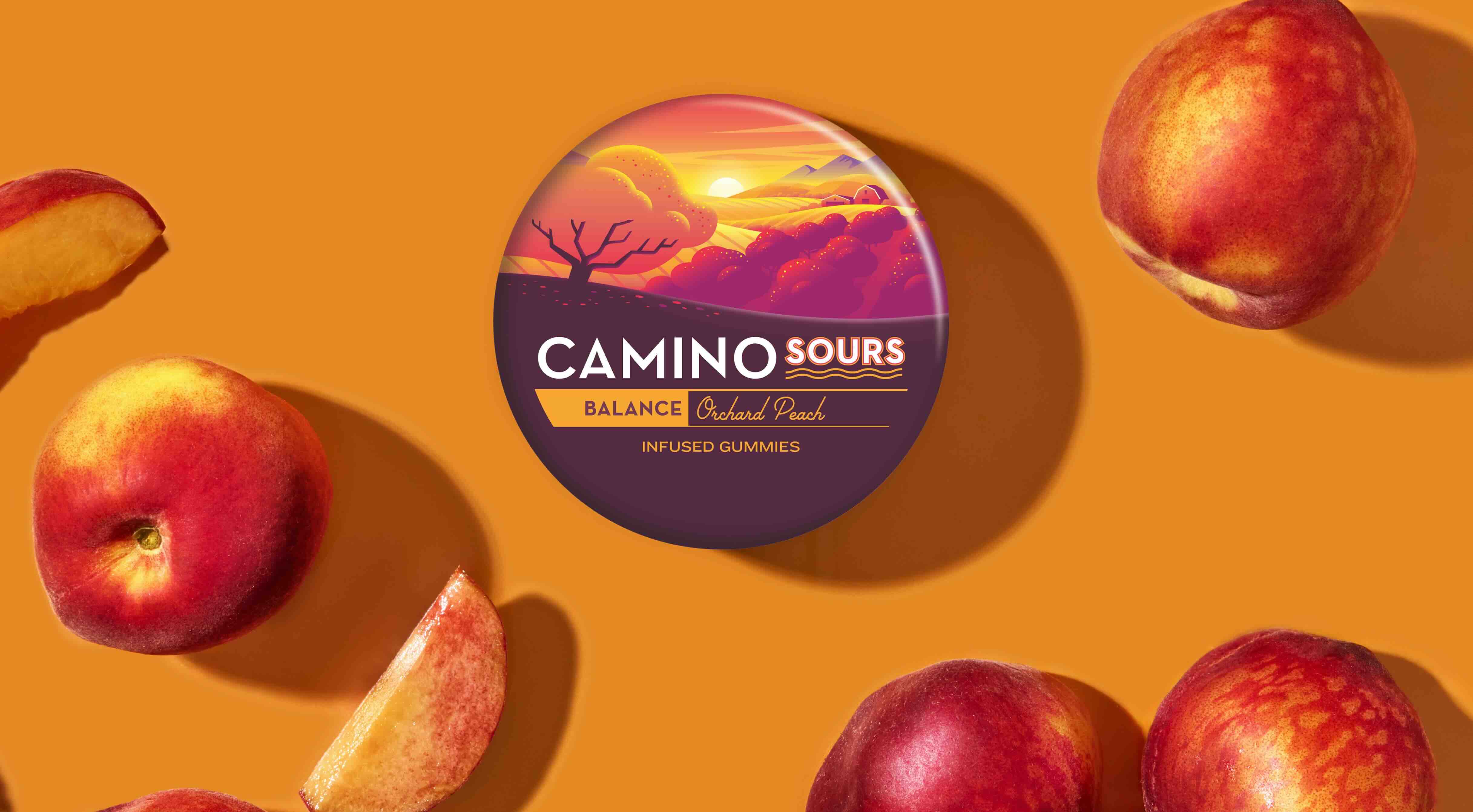 Camino's hemp-derived gummies naturally support balance and recovery without disrupting your routine, so you can enjoy reliable, consistent dosing without guesswork or habit-forming ingredients. Flavors like sparkling pear for social events and tropical-burst for recovery deliver a sophisticated, elevated taste experience — and orchard peach for balance offers everyday support for managing stress while staying clear-headed and elevated.
Learn more → |
Repeated violations can degrade waterways, raise treatment costs, and increase risks to drinking water supplies, directly affecting nearby communities.
What's being done about it?
After issuing violations, the Iowa Department of Natural Resources typically asks companies to report steps they "have taken or will take" to bring facilities back into compliance. In some cases, companies have proposed upgrades or revised treatment plans, though violations have continued.
Stronger enforcement and financial penalties are widely seen as necessary to deter repeat offenders and protect public water systems.
Everyday people can also support stronger oversight by paying closer attention to corporate environmental claims and backing policies that hold repeat polluters accountable.
TCD Picks » Upway Spotlight
💡Upway makes it easy to find discounts of up to 60% on premium e-bike brands





|
What's the most you'd pay per month to put solar panels on your roof if there was no down payment?
Click your choice to see results and speak your mind. |
 $200 or more 💰
Get TCD's free newsletters for easy tips to save more, waste less, and make smarter choices — and earn up to $5,000 toward clean upgrades in TCD's exclusive Rewards Club.
Cool Picks