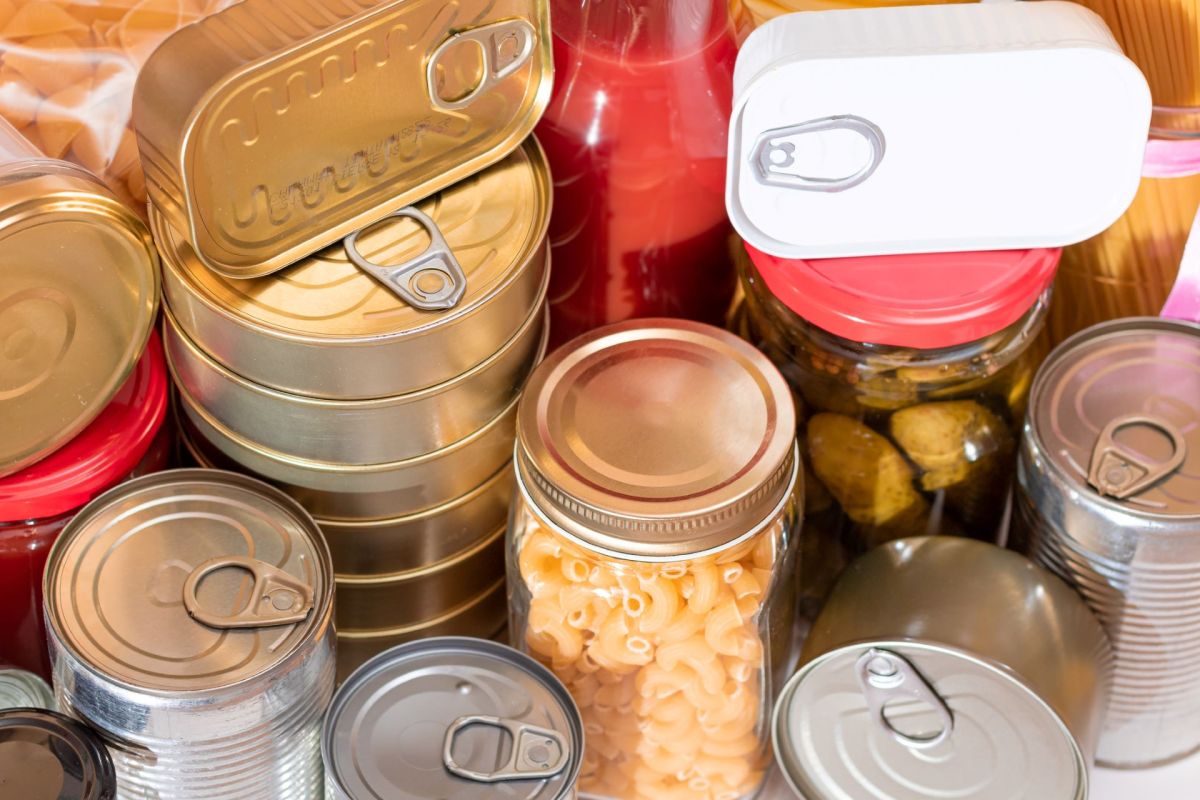
Uganda faces a looming maize shortage — and it could hit households, schools, and farmers hardest.
What's happening?
According to the Daily Monitor, Uganda's maize supply is in trouble after a season of unpredictable weather. Delayed rains left many fields unplanted, while prolonged wet conditions slowed harvests and caused grain to rot in the fields.
This resulted in lower yields, shrinking supplies, and rising prices for one of the country's most important staples. Poultry farmers, households, and schools — which rely on maize to feed students — are expected to feel the squeeze first.
"We must treat this as an early warning," agricultural policy analyst Peter Okolimo said, stressing that "if schools can't feed children, we will see a direct impact on attendance and learning outcomes."
Why is the maize shortage concerning?
When maize prices rise, households feel the impact first — and it can quickly escalate into a broader food crisis. Many will cut back on nutritious meals, poultry farmers will cull flocks, and children will miss school if feeding programs can't keep up.
Uganda isn't the only country facing this problem. Similar supply disruptions have caused food prices to soar in places like Malawi, Zambia, and even the U.S. when droughts affect major grain-producing regions.
Perk up the winter blues with natural, hemp-derived gummies Camino's hemp-derived gummies naturally support balance and recovery without disrupting your routine, so you can enjoy reliable, consistent dosing without guesswork or habit-forming ingredients. Flavors like sparkling pear for social events and tropical-burst for recovery deliver a sophisticated, elevated taste experience — and orchard peach for balance offers everyday support for managing stress while staying clear-headed and elevated.
Learn more → |

This chain reaction highlights just how dependent our food systems are on stable weather — and how vulnerable they are when conditions shift unexpectedly.
What's being done about the maize shortage?
Uganda's government is working to salvage the current harvest by improving grain-drying capacity and ensuring schools have sufficient food supplies before the next term begins.
Long-term, experts are calling for more investment in weather-resilient farming techniques and improved storage infrastructure to prevent future shortages.
For individuals, there's a takeaway, too: We can help ease pressure on global food supplies by wasting less food and supporting local farmers whenever possible. Planning meals ahead of time saves money and keeps good food out of the trash — and smarter shopping can stretch your budget even further while making sure what you buy actually gets eaten.
TCD Picks » Upway Spotlight
💡Upway makes it easy to find discounts of up to 60% on premium e-bike brands




|
What supplies do you keep on hand in case of a blackout? Click your choice to see results and speak your mind. |
 Just a flashlight 🔦
Join our free newsletter for easy tips to save more and waste less, and don't miss this cool list of easy ways to help yourself while helping the planet.
Cool Picks