


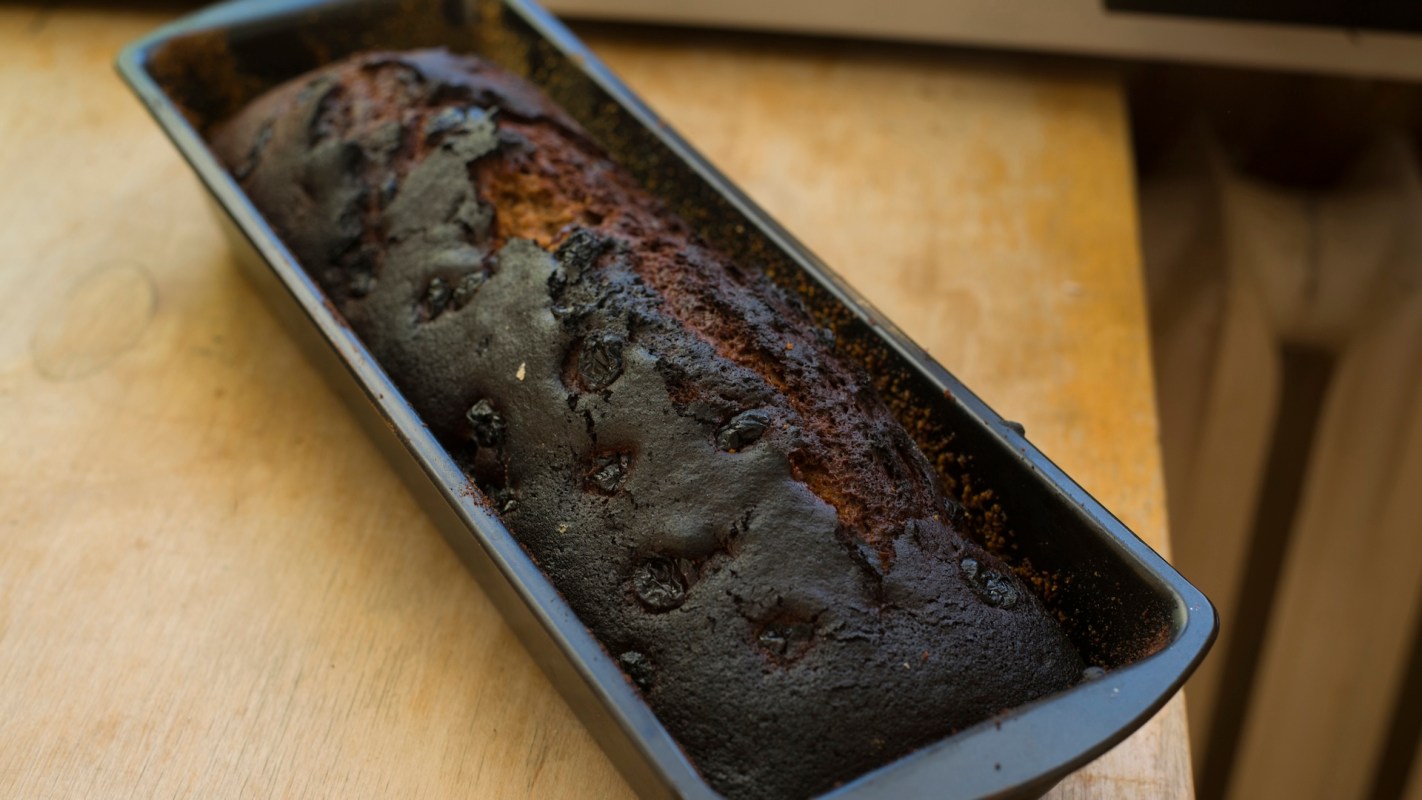
Recipes created with artificial intelligence have gained attention on social media, often serving as the butt of jokes due to their unappealing presentation and taste.
One reporter recently took to social media to investigate the legitimacy of AI-generated meal plans and recipes.
Mia Mercado, an internet culture contributor to The Cut, spent one week scouring Instagram, Facebook, and TikTok to taste-test recipes that utilize some aspect of AI. She chose popular recipes from posts garnering tens of thousands of likes, along with selections from AI recipe accounts.
Her journey was detailed through photos of the culinary creations, though none of the dishes met her expectations.
"How bad could it be?" she pondered.
For her first attempt, she shared the messy preparation and outcome of three-ingredient cottage garlic "breadsticks" from the TikTok account Amber Recipes (@amberrecipes), noting the video's AI-generated voiceover, visuals, and recipe text.
"It's more like an eggy sheet with herbs," she claimed. "They tasted like a weird omelet."
In the following days, she tried pancake bites, zucchini crackers, buffalo wraps, a sweet cottage cheese cake, and pineapple cashew cream pasta.
By the end of the week, Mercado was tired of the recipe inconsistencies.
"If this experiment has left me hungry for anything, it isn't an AI personal chef," she shared.
|
Which of these savings plans for rooftop solar panels would be most appealing for you?
Click your choice to see results and earn rewards to spend on home upgrades. |
 Save $1,000 this year 💸
 It's clear that many recipe-sharing accounts utilizing AI do so for very specific reasons: to look more attractive for an enticing video, prioritizing visual appeal over real-life practicality — and in many cases, simply to make a quick buck.
The issue of AI use in recipes extends beyond misleading meal outcomes.
TCD Picks » Quince Spotlight
💡These best-sellers from Quince deliver affordable, sustainable luxury for all




Generative AI functions at the expense of resource-intensive processes. For example, data centers for large language models, such as ChatGPT, consume an excessive amount of freshwater to regulate and cool servers.
They also consume an excessive amount of energy, often driving up utility costs for residents in the surrounding area.
For those seeking more sustainable meal options, numerous appetizing recipes are available online, none requiring AI input.

Get TCD's free newsletters for easy tips to save more, waste less, and make smarter choices — and earn up to $5,000 toward clean upgrades in TCD's exclusive Rewards Club.
Cool Picks




