


Tea has been used medicinally since ancient times to boost immunity, reduce inflammation, and even fight certain diseases.
But there's some tea on tea that you might not know — the way we prepare it may have adverse health effects.
What are the most common ways to prepare tea?
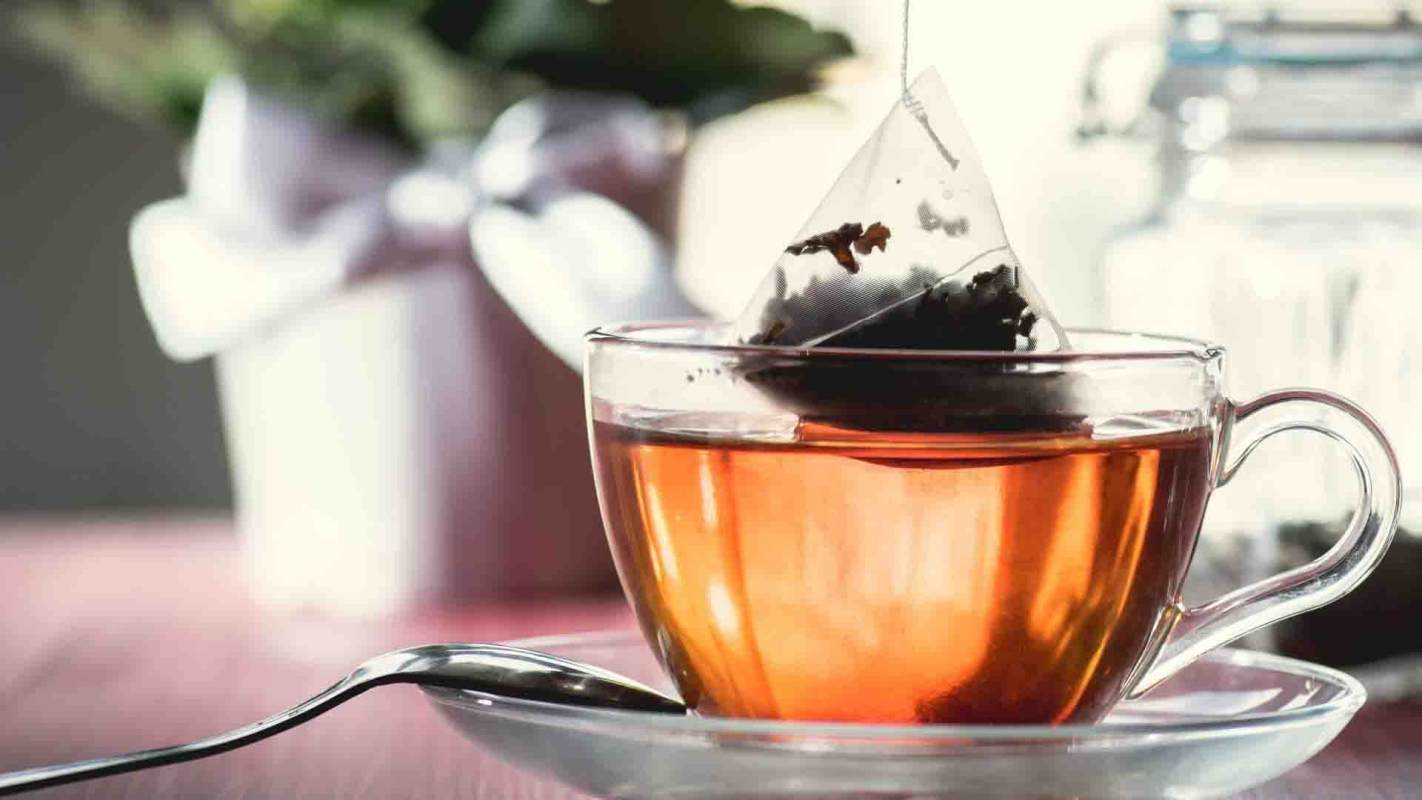
Today, teas are either prepared by steeping tea bags in hot water or pouring hot water over loose tea leaves.
Tea bags are bleached paper or food-grade plastic bags that hold small tea leaf particles. This packaging is convenient and extends the shelf life of this beverage, but in turn, reduces the freshness of the tea. Additionally, while steeping in a bag, the tea particles don't have a lot of room to expand as they absorb water and release little flavor and nutrients.
When you pour hot water over loose tea leaves, the leaves absorb the water and expand.
And you get what you pay for. Tea bags tend to be cheaper because they're lower quality. But even though loose-leaf teas are more expensive, they can still be affordable: A $14 bag of loose tea leaves, which can make 40 cups, will cost you only 35 cents per cup.
Why you should care about how your tea is made
The biggest difference between tea bags and loose-leaf teas is the safety concerns — while tea provides health benefits, toxins and microplastics may be hiding in tea bags.
One study found toxic contamination by heavy metals like lead and aluminum in most — though not all — of the tea bags sampled. This study notes that heavy metals can lead to various health issues.
The less-studied issue with tea bags is microplastics. Most tea bags are made from plastic — either nylon or polyethylene terephthalate (PET). Just one plastic tea bag can release 11.6 billion microplastics into a cup of tea, according to research from McGill University.
These tiny plastic particles are proving to be a big issue, mainly because they're virtually everywhere and removing them from our environment is a complex issue. "We don't know if those have bad health effects on people or animals. We just have a high confidence that they're there," said chemist Christopher Zangmeister.
TCD Picks » Quince Spotlight
💡These best-sellers from Quince deliver affordable, sustainable luxury for all




The plastics in tea bags aren't recyclable or compostable, so these small bags end up in our overwhelmed landfills. And considering that people in tea-loving countries like the U.K. are drinking 60 billion cups a year, this is a major waste issue.
Loose tea leaves can offer a relaxing cup of tea with higher concentrations of healthy nutrients — sans plastic. And without plastic packaging, tea leaves are compostable and biodegradable, breaking down quickly and naturally into nutrients that support healthy soil.

Join our free newsletter for easy tips to save more, waste less, and help yourself while helping the planet.
Cool Picks




