


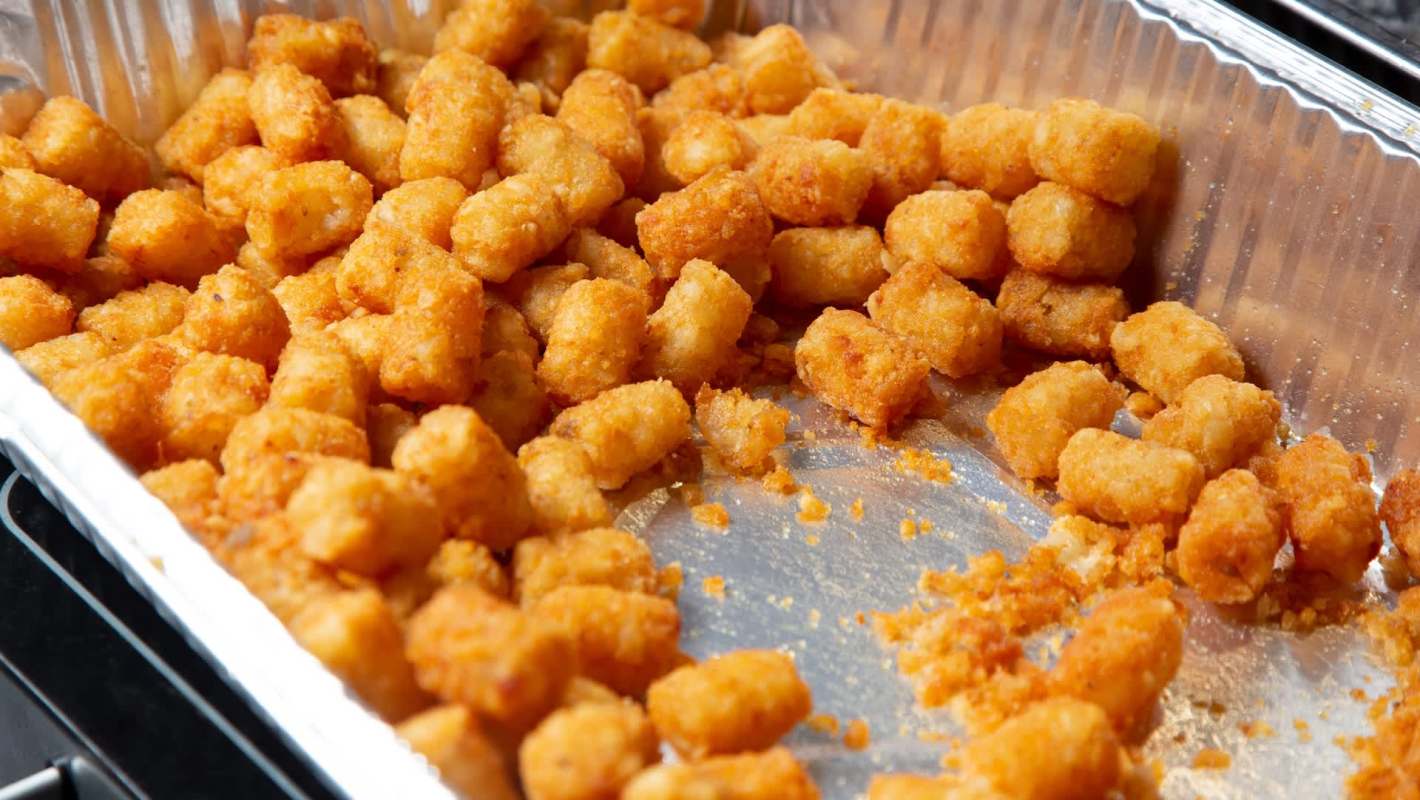
Orange County Public Schools has officially removed tater tots from its cafeteria menus following a significant federal recall involving potential plastic contamination.
What's happening?
Orange County Public Schools in Florida has halted its tater-tot lunches after a federal recall was forced after finding contamination. The U.S. Food and Drug Administration said McCain Foods USA voluntarily pulled about 38,800 cases of Ore-Ida and Sysco-brand tater tots after finding "clear hard plastic fragments" inside the bags, according to News 6.
The recall was triggered after fragments were discovered inside bags of frozen tots distributed across 26 states. School officials in Florida acted promptly, notifying families that all affected batches were removed from cafeteria freezers as soon as the FDA notice was received.
The contaminated products include specific batch codes of Ore-Ida and Sysco tater tots. Regulators are urging any household or institution holding these items to discard them or return them to the point of purchase to avoid accidental ingestion.
Why is this important?
This incident highlights the pervasive risk of our industrial food system's heavy reliance on plastic. In massive manufacturing facilities, plastic is used in everything from conveyor belts to heavy-duty packaging.
When these materials wear down or fail, shards can migrate directly into the food supply. While the immediate risk is physical injury, like mouth cuts, the long-term health implications are even more troubling.
Beyond visible shards, the presence of plastic in production lines contributes to the shedding of microplastics, particles so small they are invisible to the naked eye. While the full health impact is still being studied, scientists are increasingly concerned about how these particles might trigger inflammation or disrupt hormonal balance.
Furthermore, every recall results in massive amounts of food and packaging waste heading to landfills, adding further strain to local environments.
What's being done about it?
Moving away from plastic-heavy food production would naturally reduce the frequency of these manufacturing accidents. While regulators can tighten oversight and mandate better scanning equipment like X-rays, consumers can also drive change through their purchasing habits.
One of the most effective ways to lower your exposure is to reduce your reliance on heavily packaged frozen goods. Opting for whole, fresh vegetables or cooking from scratch eliminates several layers of industrial processing where plastic contamination typically occurs. Supporting brands that use plastic-free packaging or transparent supply chains also helps signal to the industry that safety and sustainability are priorities.
TCD Picks » Quince Spotlight
💡These best-sellers from Quince deliver affordable, sustainable luxury for all




Food recalls like this often seem like isolated scares, but they are symptoms of a complex industrial system that sometimes prioritizes speed over safety. These failures underscore the need for stricter oversight and a shift toward simpler, more transparent food production to ensure our meals remain both safe and healthy.
|
Do you worry about having toxic forever chemicals in your home?
Click your choice to see results and speak your mind. |
 Majorly 😥
Get TCD's free newsletters for easy tips to save more, waste less, and make smarter choices — and earn up to $5,000 toward clean upgrades in TCD's exclusive Rewards Club.
Cool Picks




