



A shopper's claim about Target's post-holiday clearance strategy has sparked conversation online about how major retailers handle unsold seasonal merchandise.
What happened?
On January 2, Thin Blue Line Boutique (@thin_blue_line_boutique) posted on Threads about an exchange with store management at their local Target.
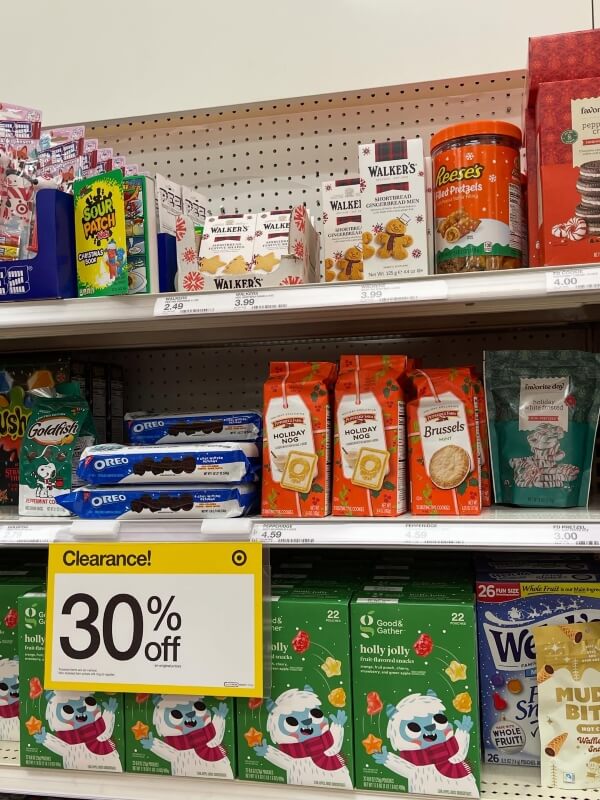
According to their post, a manager said corporate had decided not to take a loss on seasonal merchandise this year. Food items would allegedly be thrown away, while non-perishables would be sent to liquidation companies.
"Sorry Target, I used to be a big spender in your store, but not anymore," the shopper wrote.
Other shoppers shared similar frustrations. One commenter said their local Target still had shelves packed with holiday items and food discounted by only 30%.
"It is a disgrace to throw away food like this," another comment added. "It could be donated to a food bank."
Why is food waste concerning?
Food waste is a big problem for the retail industry. Grocery stores discard nearly a third of their food, according to RTS, and the retail sector tosses out an estimated 16 billion pounds annually.
When edible food goes to a landfill, all the resources used to grow, ship, and store it get wasted, too. As food breaks down, it also releases methane, a potent heat-trapping gas.
Is Target doing anything about this?
Target has made public commitments to reducing waste. The company said it cut operational food waste by 55% in 2024 compared to 2017 levels and gave away 161.8 million pounds of food. Target also says it keeps 87% of its operational waste out of landfills.
Individual store experiences don't always reflect corporate policy. The shopper's account comes from a single conversation with one store manager and may not reflect company-wide practices. It's possible this could be a localized decision rather than a blanket corporate directive.
TCD Picks » Quince Spotlight
💡These best-sellers from Quince deliver affordable, sustainable luxury for all




|
What's the most you'd pay per month to put solar panels on your roof if there was no down payment?
Click your choice to see results and speak your mind. |
 $200 or more 💰
 What can be done about retail food waste more broadly?
Food rescue organizations like Food Rescue US and Feeding America's MealConnect platform help match businesses with extra food to local hunger relief programs. The Bill Emerson Good Samaritan Act shields companies that donate food in good faith from legal action.
Some grocery chains have reported real progress. A 2024 study from the Pacific Coast Food Waste Commitment found that participating retailers decreased unsold food by 25% over four years.
For shoppers who want to reduce food waste at home, buy only what you need and use your freezer to extend the life of perishables.
If you spot waste at your local store, reaching out to corporate customer service can make a difference. Companies often respond when customers make it clear these issues matter to them.

Get TCD's free newsletters for easy tips to save more, waste less, and make smarter choices — and earn up to $5,000 toward clean upgrades in TCD's exclusive Rewards Club.
Cool Picks




