


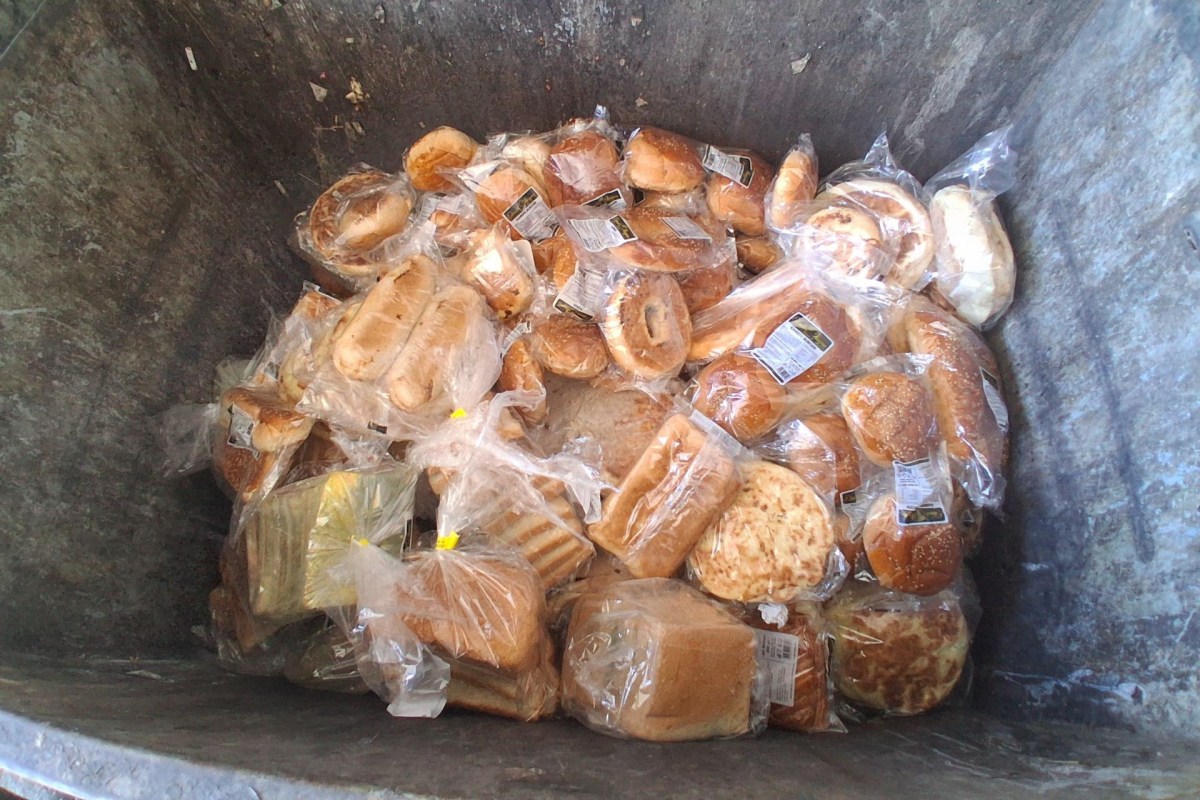
When a person peered inside a supermarket dumpster in Ankara, Turkey, they found it packed with packaged bread products that appeared to be edible.
To many viewers, the image was not evidence of a one-off mess but a visible example of a broader food-waste problem.
What happened?
In Reddit's r/Anticonsumption community, the original poster shared the photo showing a supermarket dumpster filled with individually wrapped bread products.
The image went viral, drawing 16,000 upvotes and 1,300 comments, which centered on both the amount of food that was discarded and the possible reasons behind it.
According to the OP, the trashing of these bread products happens twice a week, which points to a recurring practice rather than a single incident.
Commenters turned to the question of donation, with many asking whether liability really stops stores from giving away surplus food.
TCD Picks » Quince Spotlight
💡These best-sellers from Quince deliver affordable, sustainable luxury for all




Why does it matter?
Food waste is costly at every stage. When stores throw out bread and other still-usable groceries, they also waste the water, energy, labor, transportation, and packaging that went into producing them.
Once food ends up in a landfill, it rots and generates methane, a powerful heat-trapping gas. In this case, the waste was even more frustrating because the bread was individually wrapped, meaning the disposal added unnecessary packaging waste on top of food waste.
Yet food donation is not as simple as handing everything over. Surplus food must be safe for human consumption, and stores need systems to sort, store, and move it quickly. They are also fearful of being held accountable if the food isn't safe to consume.
What can I do?
The clearest fix for situations such as this happens upstream. Stores can build partnerships with food banks, shelters, and rescue groups so surplus food is redirected there before it spoils.
Grocers can also mark down items early, improve inventory planning, and use composting as a backup when food is no longer safe to donate.
Improving food waste policies can help, too. Clearer food donation rules, better liability protections, and simpler guidance on date labels can make it easier for businesses to donate rather than dump.
Supporting retailers that discount near-expiration food or publicize donation programs can motivate other stores to take action. Asking a local store about its surplus food policy can add pressure for change.

Get TCD's free newsletters for easy tips, smart advice, and a chance to earn $5,000 toward home upgrades. To see more stories like this one, change your Google preferences here.







