


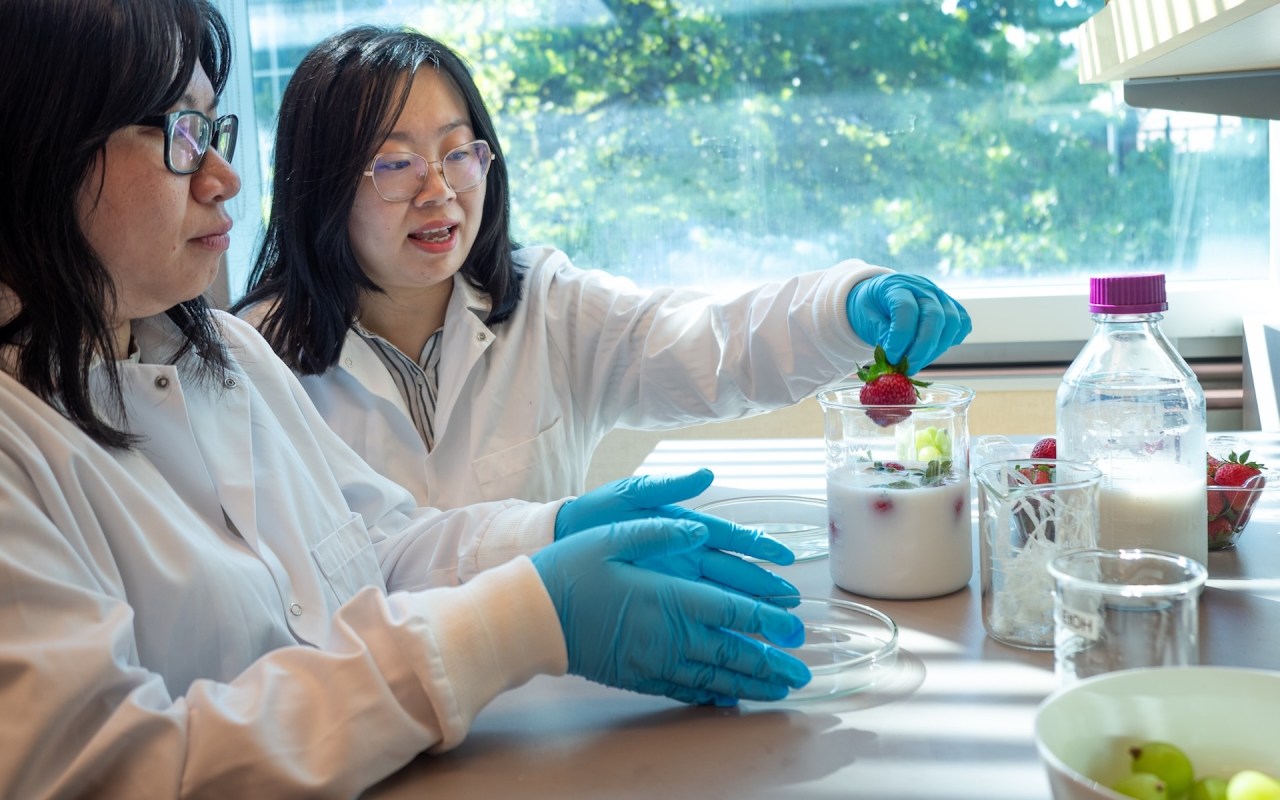
For anyone tired of strawberries turning soft too fast, a new edible coating made from seaweed may offer a simple fix.
In testing, coated berries lasted longer on the counter than uncoated ones kept cold, suggesting potential cuts in food waste and energy use, along with fewer mushy berries at home.
Here's what to know
Strawberries treated with a clear edible coating developed at the University of British Columbia stayed fresh for at least four days without refrigeration, according to EurekAlert.
By contrast, untreated berries left at room temperature developed mould within two days, and refrigeration delayed spoilage only slightly.
Fruit is dipped into a solution that dries into a very thin barrier. That mixture uses agar, a red seaweed ingredient often used in place of gelatin, along with zinc and tannic acid.
According to the study, published in the Journal of Agricultural and Food Chemistry, coated strawberries left at room temperature for four days lost less than half as much water as untreated berries.
TCD Picks » Quince Spotlight
💡These best-sellers from Quince deliver affordable, sustainable luxury for all




The coated berries were also firmer and retained more vitamin C and antioxidants.
Researchers also saw benefits in other produce: grapes lasted 14 days, and apple slices stayed in better condition for 24 hours, suggesting the coating could be useful beyond strawberries.
More background
Keeping produce fresh is especially difficult because fruits and vegetables lose moisture quickly and become more susceptible to mould and bacteria during storage and transport.
When produce goes bad too soon, people end up throwing away food they already paid for, making grocery budgets go less far.
A coating that helps fruit last longer without special handling could make everyday meal planning a bit easier.
In Canada, nearly half of all food is lost or wasted, with the economic toll estimated at $58 billion a year.
That reliance on refrigeration also has costs, since produce often has to stay cold from farms to warehouses to trucks to stores, requiring substantial electricity and infrastructure.
The researchers' life-cycle assessment found that the coating had a 14% lower carbon footprint than conventional refrigeration and cut freshwater ecotoxicity by about 85%.
What's being done?
The research team is already examining how this could work in real food systems, not just in the lab.
As part of that effort, the scientists swapped laboratory-grade agar for commercially available food-grade agar and still found less moisture loss and spoilage in strawberries.
The technology relies on familiar, food-safe ingredients rather than highly specialized materials.
Experiments using human intestinal cells found antibacterial effects and showed no toxicity from the coating.
The layer dries fully clear, and anyone who would rather not eat it can rinse most of it off with tap water in about two minutes.
Agar is already common in foods.
"We wanted to find a simple alternative to cold storage," said senior author Dr. Tianxi Yang. "Once we added the coating, the fruit became far less sensitive to changes in temperature and moisture and stayed fresh longer."

Get TCD's free newsletters for easy tips, smart advice, and a chance to earn $5,000 toward home upgrades. To see more stories like this one, change your Google preferences here.







