


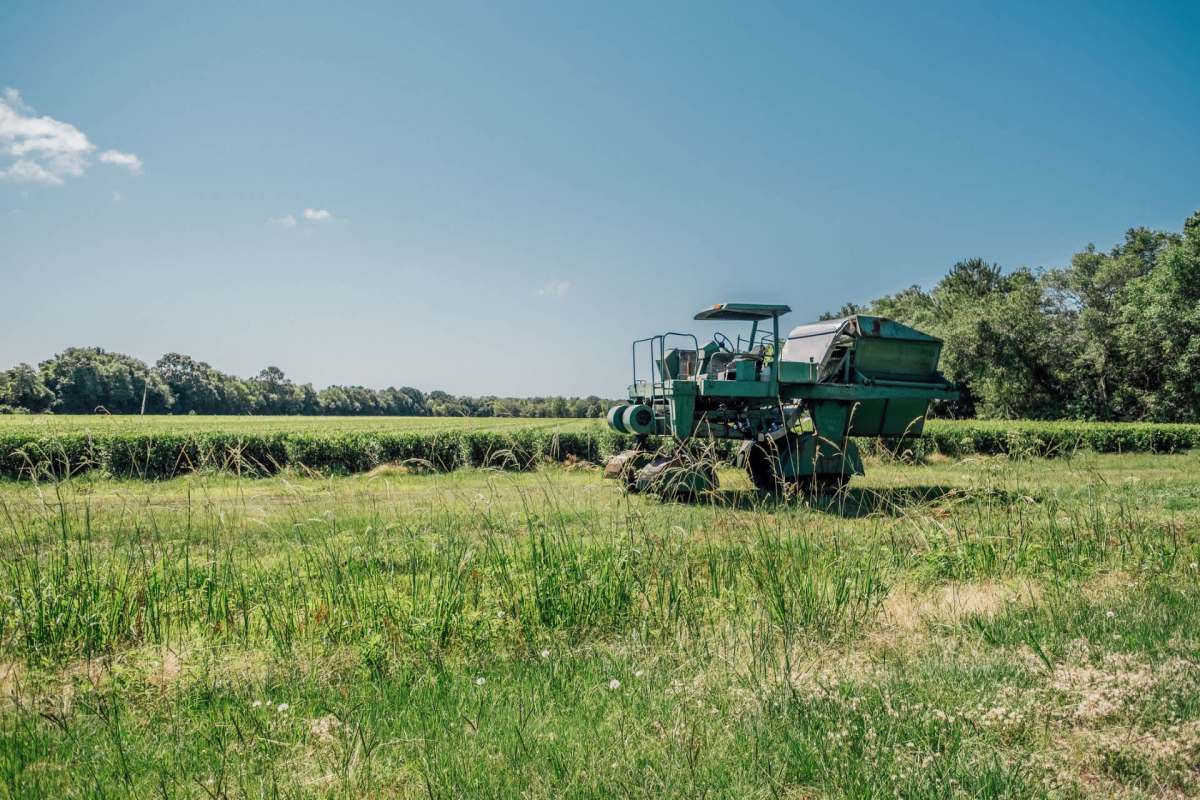
The continuing drought crisis in South Carolina is severely impacting crops critical to the state's economy, as other rising costs put a strain on farmers and communities.
What's happening?
South Carolina Public Radio reported that nearly the entire state is experiencing abnormal dry conditions, with 40% of its communities under moderate to severe drought classification.
Experts reportedly point to a lack of rainfall in the late summer and early fall as having the most impact on crops like soybeans, cotton, and peanuts.
Those crops are among the top commodities in the state, worth an estimated $500 million to the state's economy annually. Soybeans have apparently been hit the hardest, as much of the state's crop was hit with drought conditions at critical growth stages this year.
Not every crop has been hit as hard, like peaches and corn, but the overall impact is still hurting farmers.
"Prices are the farmers' biggest issue. Even with excellent corn yields, prices make it difficult to break even," David DeWitt of Clemson's Cooperative Extension told the outlet.
TCD Picks » Quince Spotlight
💡These best-sellers from Quince deliver affordable, sustainable luxury for all




Many farmers are also still recovering from Hurricane Helene last year, which caused between $1 billion and $2 billion in damages to South Carolina alone.
Why is drought important?
Drought and other extreme weather conditions can greatly disrupt the growth cycles of crops, causing a chain reaction of hardship for both farmers and consumers. For example, in 2022, the price of vegetables rose by 80% in California and Arizona, where both states were experiencing drought, per CNN.
Shortfalls in supply drive up prices, leaving some people without basic food necessities in some regions, and hurting farmers' livelihoods. And extreme weather events continue to increase in frequency and intensity, creating more havoc for people on both sides of the food equation.
What's being done about drought?
The primary cause of the increase in drought and other weather events is the rise in global temperatures, driven by human-created pollution and planet-warming gases.
Large structural changes are needed across the globe, but every little bit you can do on a personal level, including eating locally, reducing consumption and waste, and switching to an electric vehicle, can help reduce our impact and ensure we all enjoy a good harvest.
|
What is the biggest reason you don't grow food at home? Click your choice to see results and speak your mind. |
 Not enough time ⏳
Join our free newsletter for easy tips to save more and waste less, and don't miss this cool list of easy ways to help yourself while helping the planet.







