


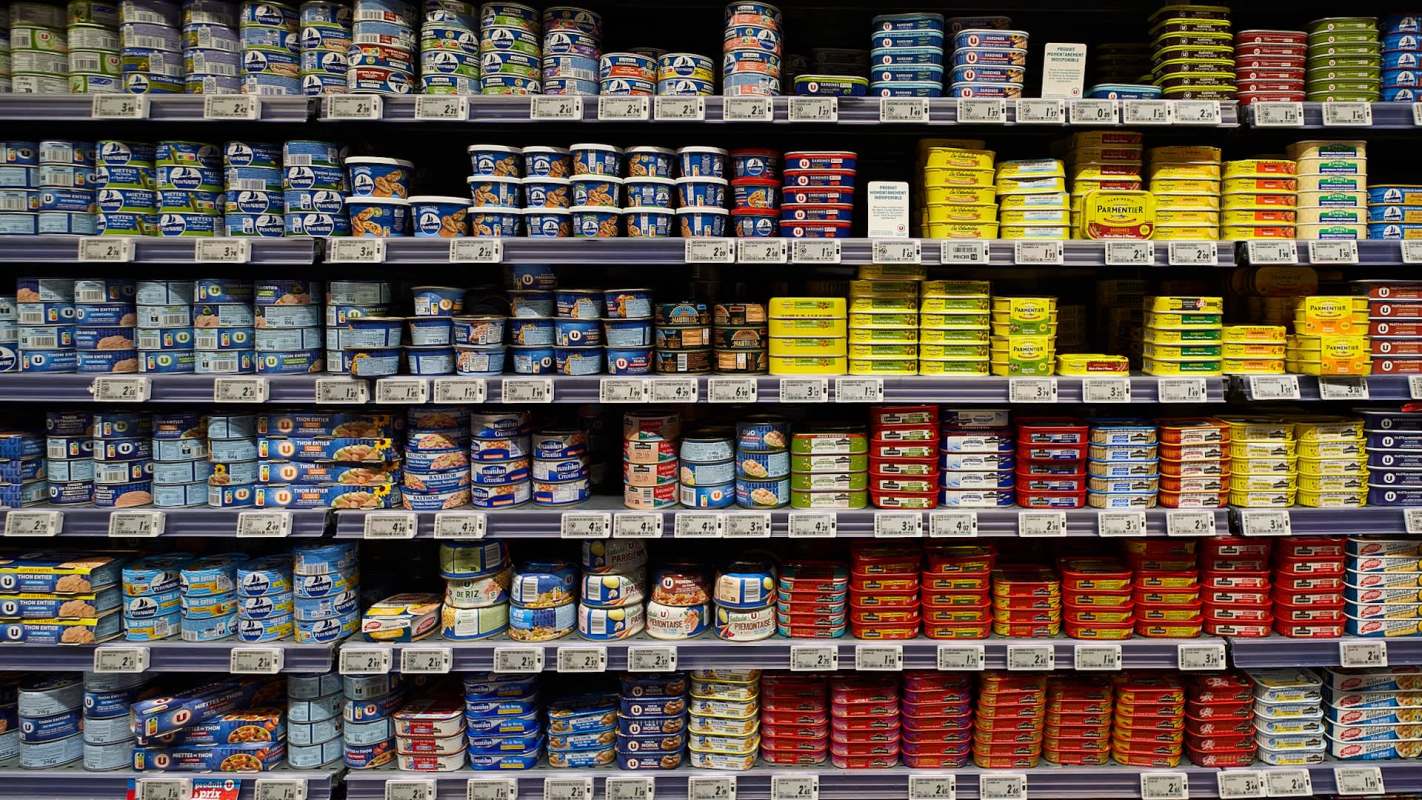
A new report has revealed that the seafood in local supermarkets may be mislabeled, deceiving shoppers.
What's happening?
A report from the United Nations Food and Agriculture Organization indicates that, worldwide, up to 20% of fishery and aquaculture products are mislabeled. The issue is believed to impact seafood sold in stores as well as in restaurants.
"That means fraud happens in plain sight, hidden behind menus and labels," Esther Garrido Gamarro, a U.N. fishery officer, told Inside Climate News.
The report suggests that as much as one-third of goods sold in the United States may be mislabeled. Inside Climate, meanwhile, noted that less than 1% of imports are tested.
Why is food fraud concerning?
Food fraud can pose major public health threats. For example, a pregnant person who believes they are consuming tilapia but who is actually eating something like swordfish could be unknowingly exposing their fetus to higher levels of mercury.
Food allergies are another concern. A separate study found that about 56% of people with food allergies have suffered an allergic reaction from mislabelled or unclear food packaging. Food allergies can lead to shortness of breath, hives, vomiting, and many other severe, even life-threatening reactions.
Food fraud can also have significant economic consequences. Experts have estimated that food fraud costs the global food industry between $10 billion and $40 billion per year.
What's being done about seafood fraud?
Inside Climate News noted that nuclear forensic tools may be the key to avoiding the mislabeling of seafood products. Handheld X-ray devices can show the composition of seafood tissue and identify chemical markers, while MRI technology can analyze water molecules.
The National Oceanic and Atmospheric Administration currently combats seafood fraud by boarding fishing vessels, inspecting fish processing plants, and using other prevention methods.
The Food and Drug Administration also has a webpage dedicated to preventing seafood fraud, highlighting certain species that are often substituted for others.
TCD Picks » Quince Spotlight
💡These best-sellers from Quince deliver affordable, sustainable luxury for all




|
Which of these savings plans for rooftop solar panels would be most appealing for you?
Click your choice to see results and earn rewards to spend on home upgrades. |
 Save $1,000 this year 💸
Get TCD's free newsletters for easy tips to save more, waste less, and make smarter choices — and earn up to $5,000 toward clean upgrades in TCD's exclusive Rewards Club.
Cool Picks




