


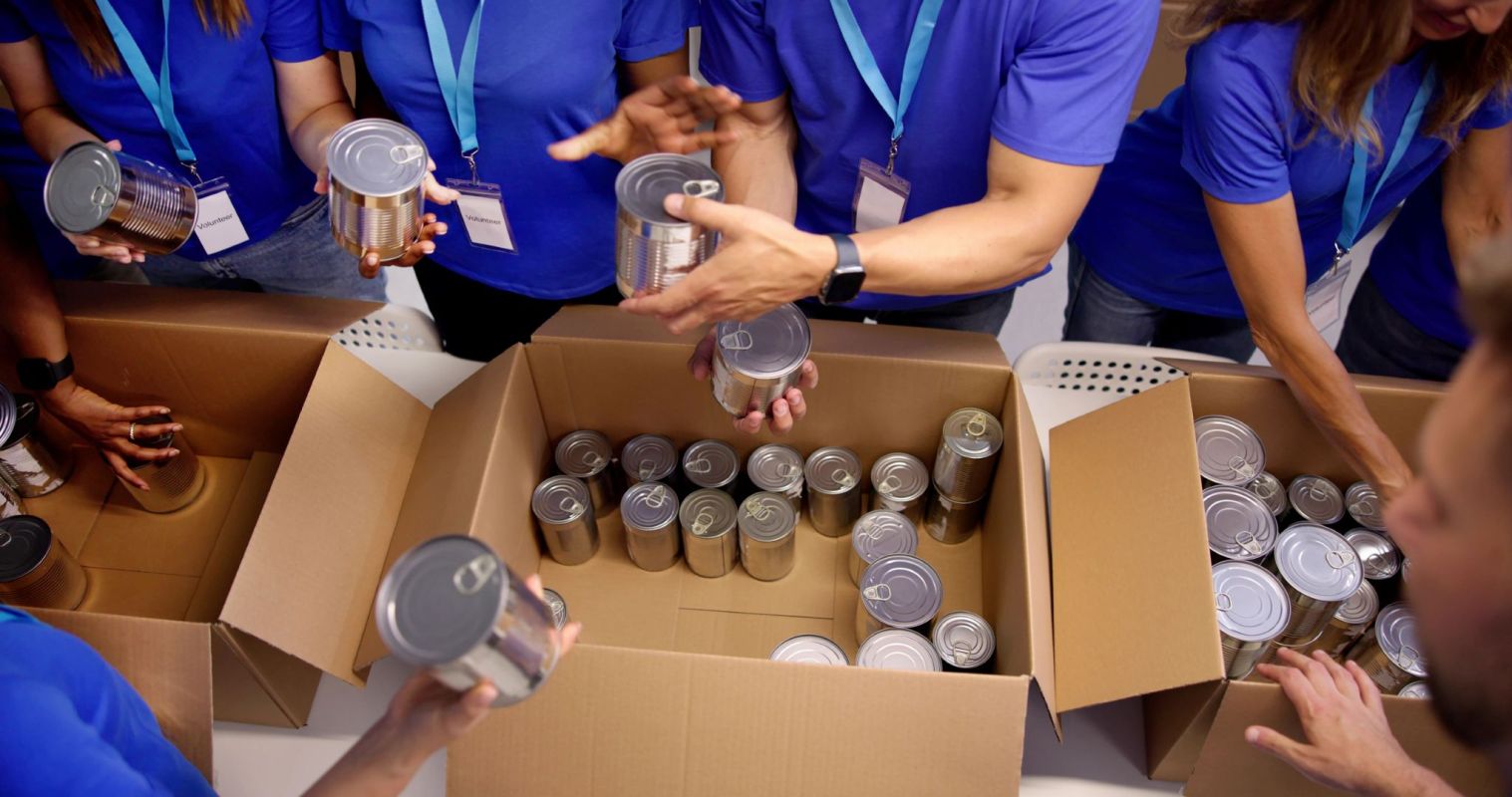
South Texas families are being squeezed by costly groceries and a sharp reduction in food aid, and the San Antonio Food Bank is looking to carbon credits tied to rescued food as a possible way to respond.
If it brings in enough revenue, the strategy could help pay for the transportation, refrigeration, and staffing needed to get more surplus food to people who need it, according to Texas Public Radio.
Here's what to know
The San Antonio Food Bank has joined a carbon credit project developed by Brightly that treats food rescue as a climate action.
Because food gives off methane when it decomposes in landfills, the program counts recovering edible items as a way to avoid emissions.
Businesses that purchase the credits help finance that rescue work.
Feeding America estimates that nearly 630,000 people across the food bank's 29-county region faced food insecurity in 2024, including about 188,600 children. That scale underscores how serious hunger remains across the region.
TCD Picks » Quince Spotlight
💡These best-sellers from Quince deliver affordable, sustainable luxury for all




The Texas Tribune reported that Texas SNAP enrollment dropped 21% to 2.8 million in September, meaning far fewer Texans are receiving federal food assistance.
More background
For food banks, high grocery costs combined with massive SNAP cuts can mean more families turning to emergency food help.
The effort is designed to address both hunger and waste.
Keeping usable food out of landfills reduces methane emissions while putting more meals in front of families.
Eric Cooper, president and CEO of the San Antonio Food Bank, was expected to appear on Texas Public Radio's live call-in program "The Source" on Oct. 26 to discuss the strategy and broader hunger pressures facing South Texas.
What's being done?
The model works by having businesses purchase credits connected to the emissions avoided when edible food is recovered instead of discarded.
Brightly says most net proceeds will go back to the rescue organizations doing the work.
For the San Antonio Food Bank, that could mean funding the operational basics behind food rescue, including pickup trucks, drivers, refrigeration, and staff who sort and distribute the food.
Stronger revenue could help the food bank recover and deliver more donated food across its 29-county service area, while sending less waste to landfills.
Where can I learn more?
Across Texas, food banks face the same squeeze: more families need help, and getting food to them is getting harder. These stories look at new distribution hubs, SNAP-related funding challenges, and local pantry efforts as grocery costs stay high.
• Central Texas Food Bank opened a Waco distribution hub to move food closer to families.
• Texas food banks warned that federal SNAP rule shifts leave them unable to fill gaps.
• In Texoma, Grayson College's mobile food pantry moves 15,000 pounds a month.
• In Houston, families lined up for free groceries and hot food before school started.

Get TCD's free newsletters for easy tips, smart advice, and a chance to earn $5,000 toward home upgrades. To see more stories like this one, change your Google preferences here.







