


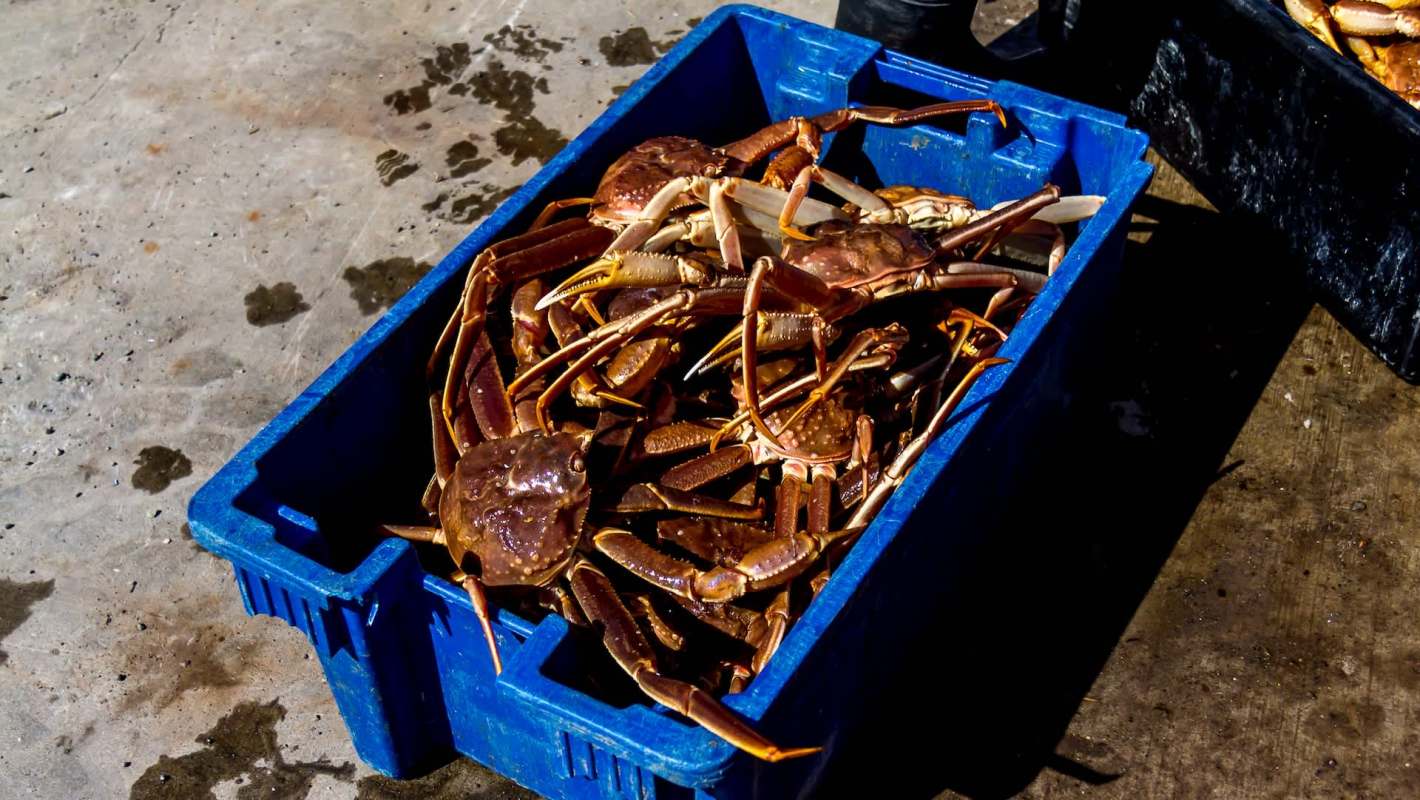
For many, the impact of heat-trapping air pollution and the world's rising temperature might seem abstract and far away. However, we are increasingly seeing the costly effects right in our grocery stores and restaurants. Lil Nickelson, author of the Harlem newspaper column Dining with Miss Lil, recently offered a breakdown of how in Harlem World, using seafood as an example.
What's happening?
Nickelson outlined the current market conditions for snow crab legs in the United States. "In Harlem, we have seen prices more than double and for much smaller-size snow crab legs as well. I recently went to a restaurant that charges $40 for two snow crab legs, two pieces of corn, and two potatoes!" she wrote.
That's because this year is the first year that the snow crab season has been reopened after being canceled for the previous two years. That cancellation was due to a dramatic, sudden drop in the snow crab population: roughly 90% of this species, or 10 billion crabs, had vanished without warning.
Scientists now believe that this sudden population decline was caused by the lingering effects of a massive marine heat wave in 2018-2019, which damaged the crabs' food source.
In the absence of crab caught by American operations, the only crab legs available were from international sources, which were subject to less regulation and higher prices. They were harder to find, cost more, and were lower quality — and the supply still hasn't recovered.
Why is the price of crab important?
If the problem were just snow crab, then we could skip this one item at the grocery store. However, the effects of raising global temperatures don't stop there; in fact, that is barely beginning to scratch the surface. Seafood, crops, livestock, and wild food from around the planet all rely on specific climate conditions and balanced ecosystems to thrive. The more the world heats up, the harder it is to rely on traditional food sources, and the fewer functional alternatives remain.
TCD Picks » Quince Spotlight
💡These best-sellers from Quince deliver affordable, sustainable luxury for all




All of this means higher food bills for everyday households, not to mention that many of the beloved foods that we use as staples could vanish from store shelves at this rate. It will also have a dramatic impact on the overall economies of countries worldwide.
Not only that, but the problem is getting worse. While biologist Ben Daly told the CBS Evening News that the ocean heat wave was a rare event akin to a lightning strike, he also said we need to be "concerned moving forward that the predictions are suggesting a higher frequency of lightning strikes in the future."
What's being done about protecting food from climate change?
Researchers worldwide are looking for ways to make our food supply more resilient in the face of a changing world. Some are working on ways to genetically alter our food, others are addressing our agricultural methods, and some are turning to new crops that would fare better in warmer climates.
However, farming is only one source of food for the planet; none of this addresses the ocean. Our best option is still to cut back on pollution and slow down the rate of the Earth's climate change.
In the meantime, to save money and survive these new prices, make sure you're shopping smart at the grocery store.
|
How concerned are you about the plastic waste in our oceans? Click your choice to see results and speak your mind. |
 Extremely 😫
Join our free newsletter for easy tips to save more and waste less, and don't miss this cool list of easy ways to help yourself while helping the planet.







