


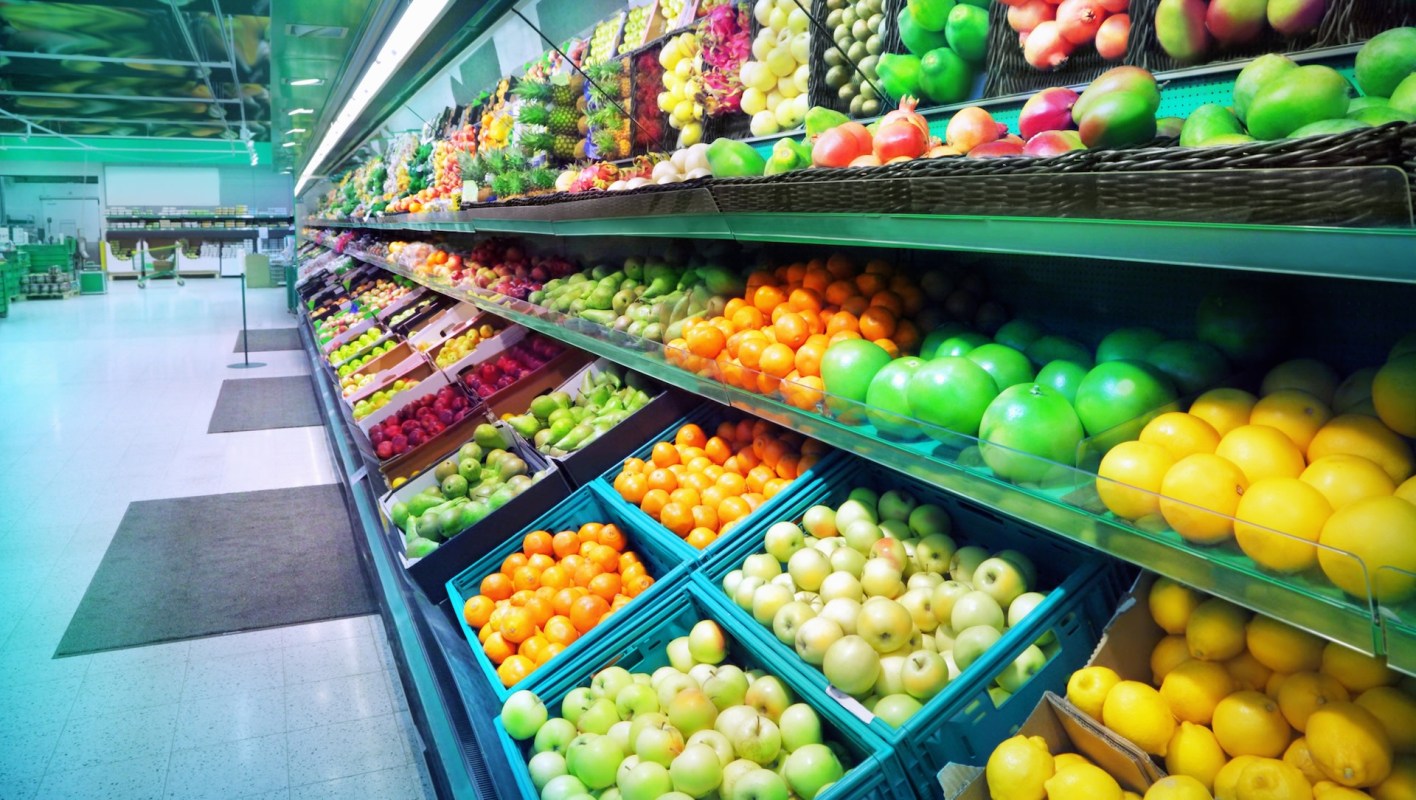
Vegetables cost almost 40% more than they did 12 months ago, Today reported.
What's happening?
Bulk purchasing expenses for homegrown produce shot up 38.9% in July when measured against July 2024, per the Bureau of Labor Statistics.
These expenses are what retailers pay before marking up products for customers. This spike sets a record for summertime price jumps going back nearly a century.
NBC senior business correspondent Christine Romans discussed the trend on Today.
"This spike [...] reminds people that the cost of living is still issue No. 1 and there are still some significant pressures in terms of the prices we're paying every day for everyday items," Romans explained. "You can't swap out vegetables. Vegetables are a pretty important part of the menu."
Why are rising produce prices concerning?
Grocery bills are straining finances nationwide, particularly for families who want to choose healthy produce over processed foods. Sharp increases force people to decide between healthy eating and staying within budget.
This crisis has multiple causes. Droughts and unpredictable weather have hurt farm outputs across the country. Agricultural businesses are struggling to find workers, as many day laborers have avoided showing up because of fears of deportation by the Trump administration.
Fees on produce from other countries also drive up costs for American crops. Higher prices on imported vegetables allow domestic growers to charge more.
For instance, beef prices climbed to $6.12 for ground meat and $11.49 for steaks during July.
What can I do about rising produce costs?
Maintaining a backyard or balcony produce garden not only cuts grocery bills but also provides fresh food at home. If you're working with a tight space, use small pots.
TCD Picks » Quince Spotlight
💡These best-sellers from Quince deliver affordable, sustainable luxury for all




|
What is the biggest reason you don't grow food at home? Click your choice to see results and speak your mind. |
 Not enough time ⏳
 Purchase fruits and vegetables during peak harvest seasons for better deals, and preserve or freeze surplus items during price drops.
For your best chance of scoring a markdown, visit local markets before they close. Many vendors would rather sell items cheaply than keep them.
Call your elected officials to support legislation that solves farm staffing problems.
When grocery shopping, remember that generic labels typically match brand quality at lower costs. Check per-unit pricing to spot bargains.

Join our free newsletter for easy tips to save more and waste less, and don't miss this cool list of easy ways to help yourself while helping the planet.
Cool Picks




