


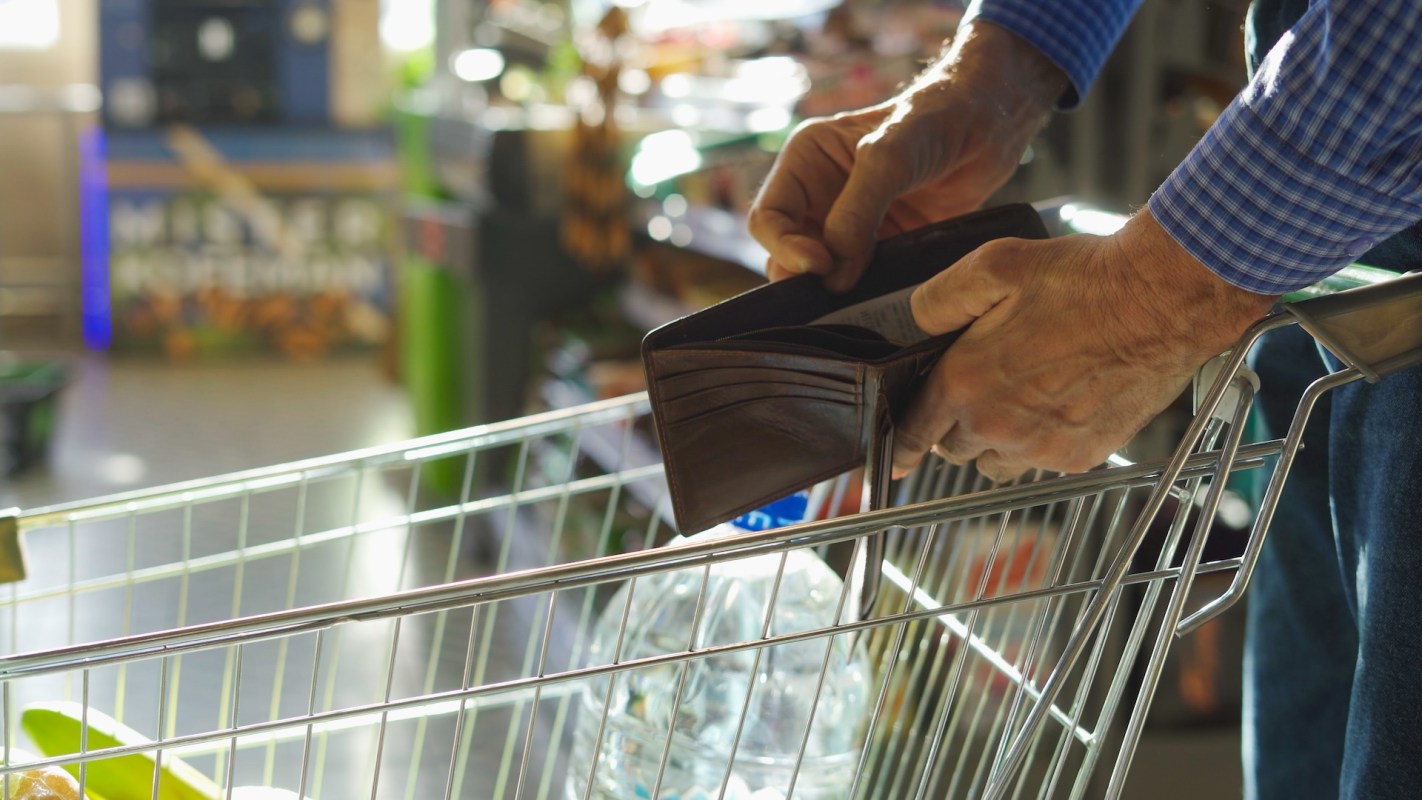
Your grocery bill might be getting steeper. Global food prices rose in February, with sugar, dairy, and vegetable oil costs leading the upward trend, as reported by the United Nations' Food and Agriculture Organization.
What's happening?
The FAO's Food Price Index, which tracks monthly changes in international food commodity prices, hit 127.1 points in February.
That's 1.6% higher than January and 8.2% above last year's February level.
Sugar prices jumped 6.6% after three straight months of falling, reaching 118.5 points. The FAO points to "concerns over likely tighter global supplies for the 2024/25 season, particularly due to declining production prospects in India and adverse weather conditions affecting crops in Brazil."
Dairy costs increased 4.0%, while vegetable oil prices rose 2.0% — a whopping 29.1% higher than this time last year. Cereal prices increased slightly (0.7%), while meat prices mainly remained flat.
Why are rising food prices important?
When our planet overheats, our wallets feel the heat, too. Weather extremes linked to rising temperatures directly affect food production, pushing grocery prices upward.
The current spike in sugar prices shows how vulnerable crops are to unusual weather patterns. When Brazil's sugarcane faces harsh conditions and India's production falls, everyone pays more at checkout lanes worldwide.
For families already stretching their budgets, these increases make putting food on the table harder. Higher dairy and vegetable oil costs affect everyday staples like cheese, milk, cooking oils, and margarine — basics that most households use daily.
The entire food supply chain feels the rising costs of the commodities. They eventually hit your local supermarket shelves with higher price tags.
What can I do about rising food prices?
Start by buying seasonal produce when it's most abundant and affordable. Foods in peak season often cost less and taste better.
TCD Picks » Quince Spotlight
💡These best-sellers from Quince deliver affordable, sustainable luxury for all




|
What is the biggest reason you don't grow food at home? Click your choice to see results and speak your mind. |
 Not enough time ⏳
 Consider plant-based protein alternatives, which typically cost less than animal products and require fewer resources to produce. Beans, lentils, and tofu are budget-friendly nutritional options.
Growing some of your own food, even just herbs on a windowsill, can trim grocery bills while giving you access to fresh ingredients.
Meal planning based on sales and what's already in your pantry minimizes waste and maximizes your dollar.
Supporting local farmers through markets or CSA programs often provides fresher food while helping build a more resilient local food system less affected by global price swings.

Join our free newsletter for easy tips to save more and waste less, and don't miss this cool list of easy ways to help yourself while helping the planet.
Cool Picks




