


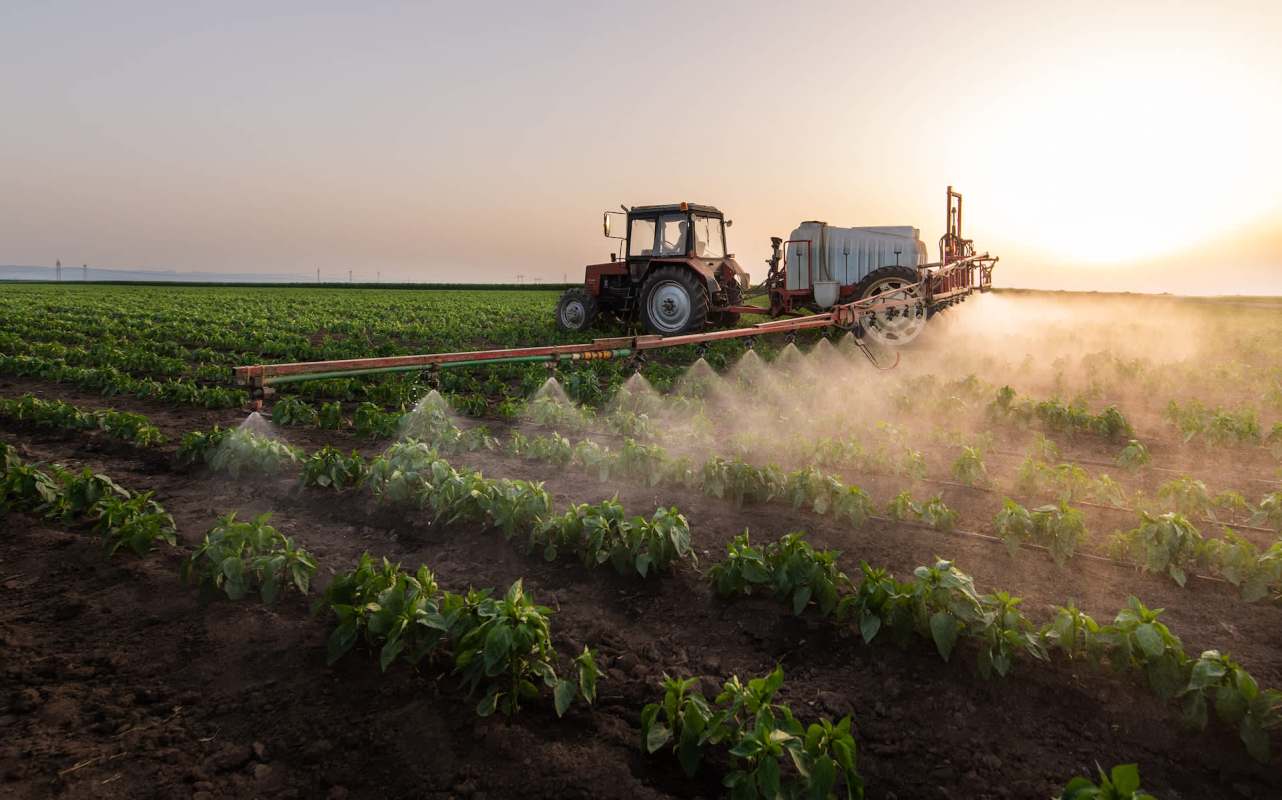
Several large food companies received a near-failing "D" grade for their support of sustainable farming practices, according to a new corporate assessment released by the nonprofit As You Sow, reported The New Lede.
What's happening?
The watchdog group evaluated 20 food corporations on their programs and policies related to regenerative agriculture, which focuses on building healthy soil.
Companies like W.K. Kellogg Co. and B&G Foods scored the lowest marks, while PepsiCo, McCain Foods, and Lamb Weston earned the highest ratings.
More than half the assessed companies have created regenerative agriculture programs with measurable goals, and many offer financial incentives to farmers. But the report found most companies aren't aggregating field-level data from suppliers, creating a gap in tracking progress.
Only two companies, Lamb Weston and Conagra, collect and publicly share data on their suppliers' pesticide use. This openness creates "a standard for peers to follow," according to the assessment.
Why is corporate farming sustainability important?
Regenerative farming practices have grown more popular as people worry about how industrial farming heats up our planet, pollutes our water, harms soil, and damages natural areas with heavy chemical use.
When farmers use regenerative methods, they either cut back or stop using pesticides, grow many different crops, add livestock, and prioritize soil health. These changes help farmers store carbon, keep water clean, and grow healthier food.
First-generation Montana farmer Nate Powell-Palm initially saw promise in the regenerative movement but has grown disappointed. "What I found was that mostly the word 'regenerative' became synonymous with 'no-till' systems," Powell-Palm said during a webinar hosted by As You Sow.
This farming approach can limit soil erosion but sometimes leads to increased weedkiller use.
What can I do about farming sustainability?
Regenerative farming is a priority in the White House's Make America Healthy Again initiative. As large food companies control massive supply chains, their policies have a direct impact on millions of acres of farmland.
TCD Picks » Quince Spotlight
💡These best-sellers from Quince deliver affordable, sustainable luxury for all




|
What single change would make the biggest dent in your personal food waste?
Click your choice to see results and speak your mind. |
 Not buying food I don't need 🧐
 You can support better farming practices by buying produce from companies with strong sustainability commitments. Look for brands that share their farming standards and pesticide policies.
You can also buy directly from local regenerative farmers at farmers markets, where you can ask about their specific soil-building practices and reduced chemical use.
Contact food companies through social media or their websites to inquire about their regenerative agriculture commitments, encouraging greater transparency regarding their farming methods.

Join our free newsletter for easy tips to save more and waste less, and don't miss this cool list of easy ways to help yourself while helping the planet.
Cool Picks




