


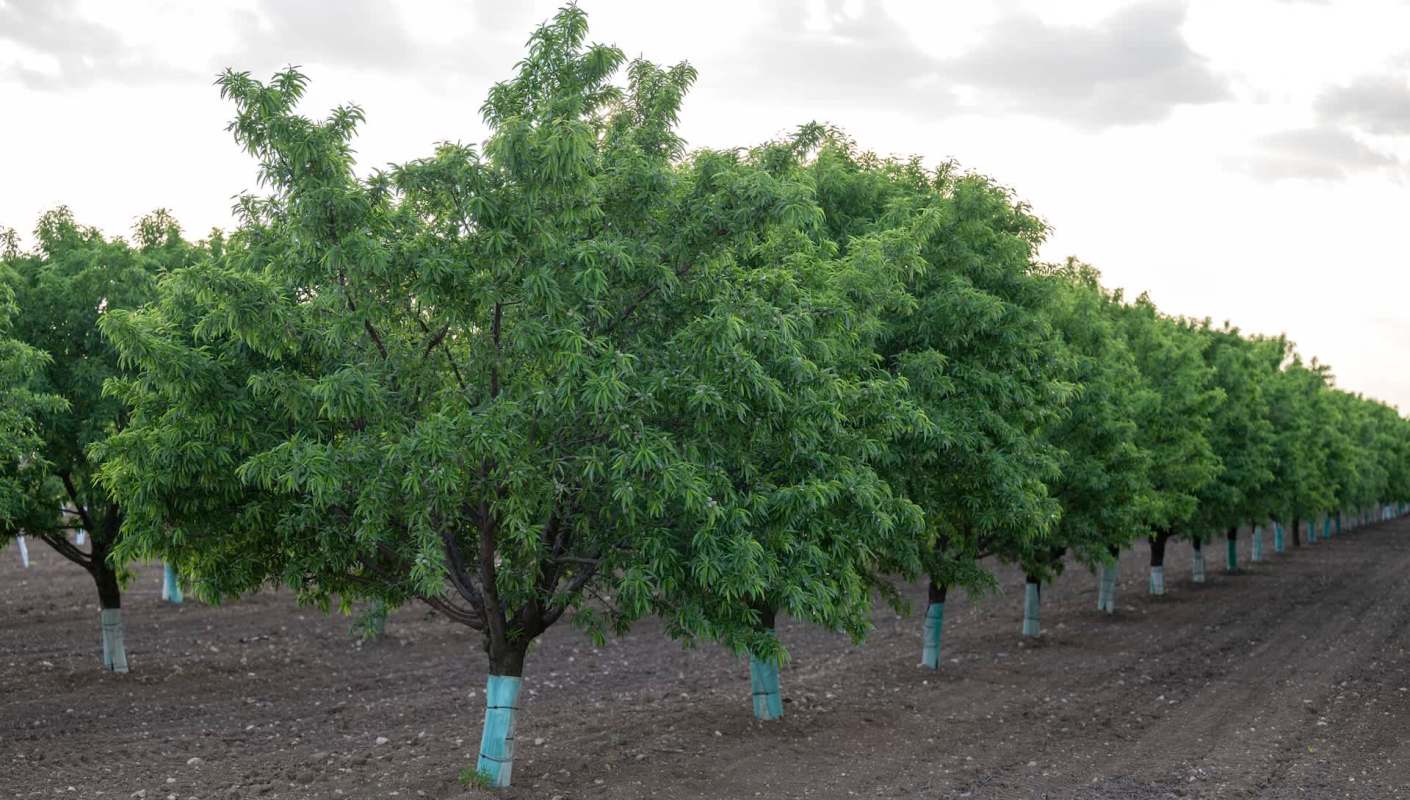
Portugal is the second-largest almond producer in Europe, and the industry brought in about $108 million in exports last year, according to the Portugal Nuts association, as cited by FreshPlaza. But this year, progress has stalled after extreme rainfall hit during the most delicate stage of almond growth.
Farmers said critical weeks of flowering were washed out, leaving orchards with much less harvest than expected. Growers warned that entire harvests have been impacted by the excessive rain.
What's happening?
The decline came after the unusually heavy rain and cold weather hit the area in March. Executive director Nuno Russo said it was the rainiest March since 2000, with nine extreme rainfall events and four major storms, including Storm Martinho, according to FreshPlaza. Russo said the rain prevented pollination, and the fruit was unable to "set."
"We have situations with 25% and others with an 85% drop in almond production," Russo said, per FreshPlaza.
Scientists have documented that warmer air holds more moisture and produces heavier rainfall when storms hit. Therefore, rising global temperatures are making downpours more intense because the warmer atmosphere traps more water vapor, hence more destructive rain events for crops.
Why is building resilience important?
Farmers building resilience in the face of increasingly extreme weather events is important because almonds are a major export and income source for farming communities, per FreshPlaza. Russo noted the nut sector contributes $81 million to Portugal's trade balance. When these harvests fail, workers and companies lose reliable income.
Perk up the winter blues with natural, hemp-derived gummies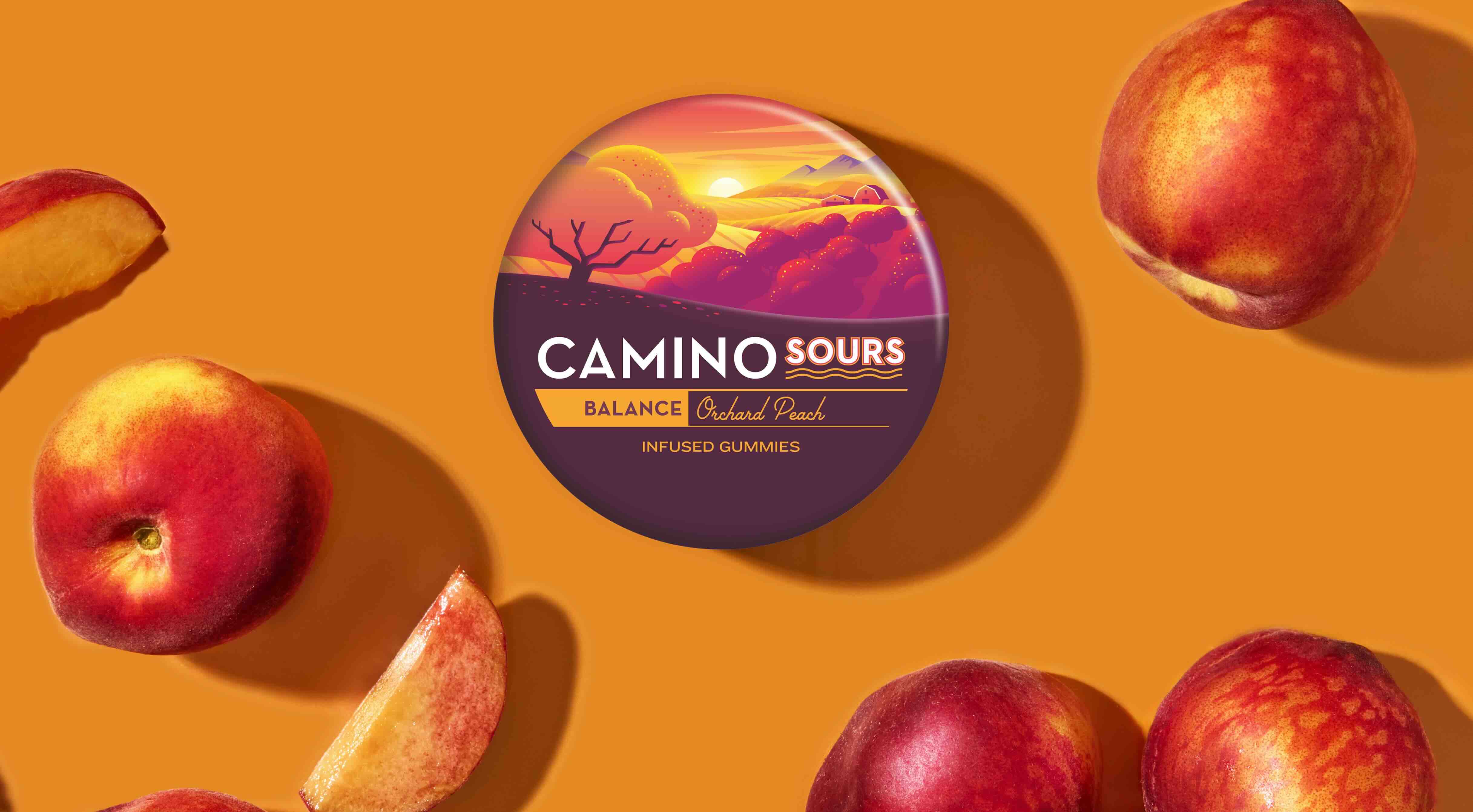 Camino's hemp-derived gummies naturally support balance and recovery without disrupting your routine, so you can enjoy reliable, consistent dosing without guesswork or habit-forming ingredients. Flavors like sparkling pear for social events and tropical-burst for recovery deliver a sophisticated, elevated taste experience — and orchard peach for balance offers everyday support for managing stress while staying clear-headed and elevated.
Learn more → |

Farming risks such as heavy rainfall during key periods of growth have been documented in other areas, including flash droughts that damage crops when soil moisture disappears quickly. Farmers in Sicily, Italy, were also forced to abandon fields after long-term drought threatened the efficacy of their centuries-old farming practices.
What's being done about harvests?
Newer orchards have been performing better, according to Russo, but the report does not exactly disclose how. The association said it's still collecting harvest data and planned to release full national figures by the end of November. Russo also said he doesn't worry that this will affect domestic consumers, as global almond harvests aren't projected to be far below last year's levels.
Back-to-back weather shocks and their impacts on farming communities are why it's important to explore critical climate issues while understanding how fragile crop cycles are affected by rapidly shifting weather patterns.
|
Do you think humans are doing enough to protect endangered animals? Click your choice to see results and speak your mind. |
 Definitely 👍
Get TCD's free newsletters for easy tips to save more, waste less, and make smarter choices — and earn up to $5,000 toward clean upgrades in TCD's exclusive Rewards Club.
TCD Picks » Upway Spotlight
💡Upway makes it easy to find discounts of up to 60% on premium e-bike brands




Cool Picks




