


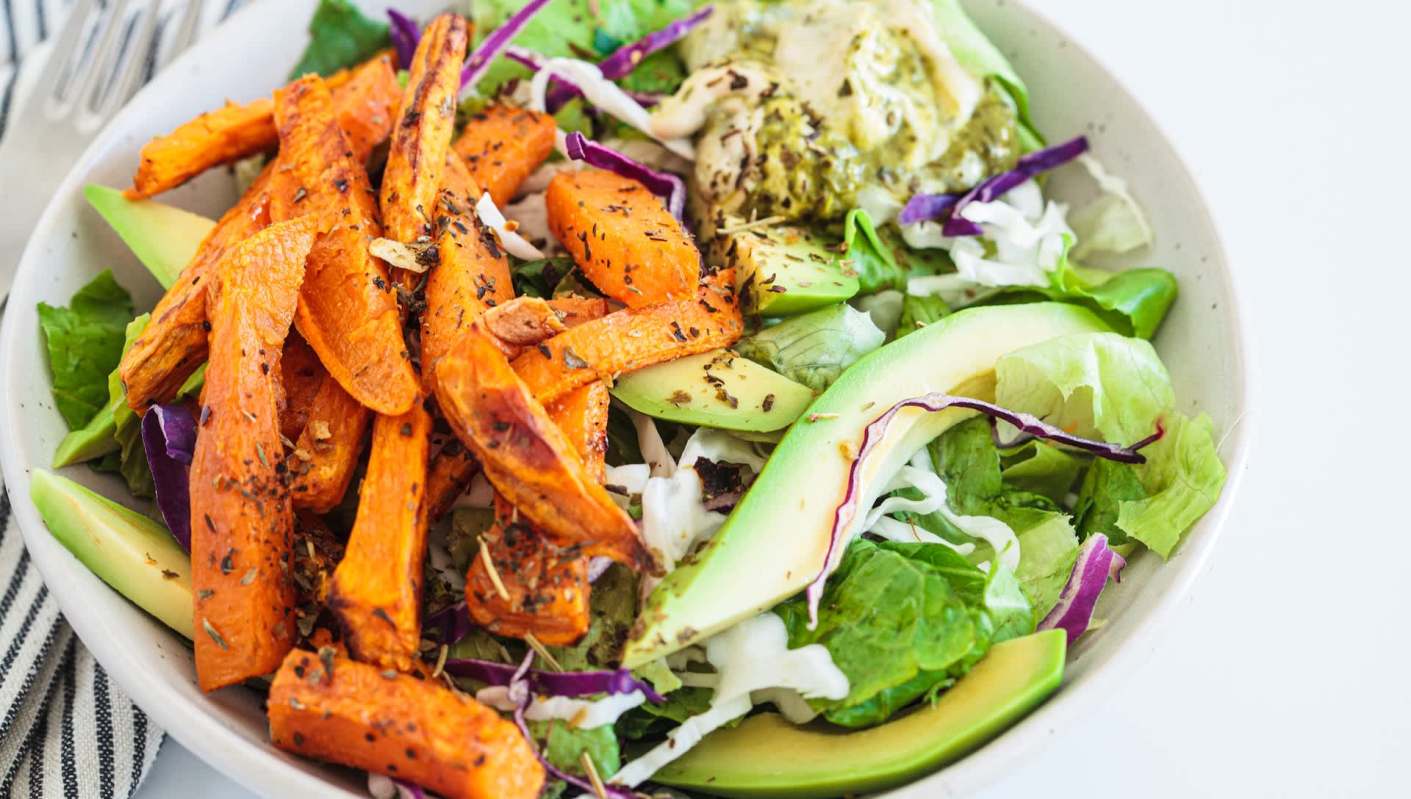
More people seem to be eating healthier these days, and the plant-based protein market is expected to soar over the next decade.
GlobeNewswire shared a new analysis by Towards FnB and Precedence Research indicating that the market for plant-based protein has expanded beyond vegan consumers. More people are choosing foods that support their health and minimize strain on the planet.
Growing interest from people who eat both plant- and animal-based foods, along with a surge in clean label innovation, will likely more than double the size of the plant-based protein market by 2034, making meat-free options simpler and more widely available.
Food manufacturers are stepping up to meet this growing demand. They're using smart food science to make plant proteins tastier and rolling out innovative products like vegan cheese and dairy-free yogurt.
"Plant-based proteins are no longer just a niche market but a key growth driver for the food industry," said Vidyesh Swar, Principal Consultant at Towards FnB.
A booming plant-based market is a big step towards a cleaner future. For one, shifting from red meat and dairy-focused diets to plant-based diets can reduce heat-trapping gases that contribute to increasing global temperatures.
TCD Picks » Quince Spotlight
💡These best-sellers from Quince deliver affordable, sustainable luxury for all




For example, raising cattle for beef produces about 99.5 kg of polluting gases, while manufacturing tofu produces only around 3.16 kg, according to Our World in Data. That means eating 1 kg of beef has roughly the same climate impact as consuming 31 kg of tofu.
Furthermore, the expansion of the plant-based protein market means more choices to fit a variety of budgets, preferences, and routines, and to support healthier lifestyles.
Eating more organic, naturally grown, or wild-sourced foods can help people manage weight, stabilize blood sugar, and improve overall well-being. A growing demand for plant-based protein signals progress toward a food system that values health and sustainability.
Mainstream brands are already adopting sustainable practices, while innovators are developing new protein sources to make plant-based diets more common.
|
How often do you eat plant based meals for dinner? Click your choice to see results and speak your mind. |
 Never 🥩
Join our free newsletter for easy tips to save more and waste less, and don't miss this cool list of easy ways to help yourself while helping the planet.







