


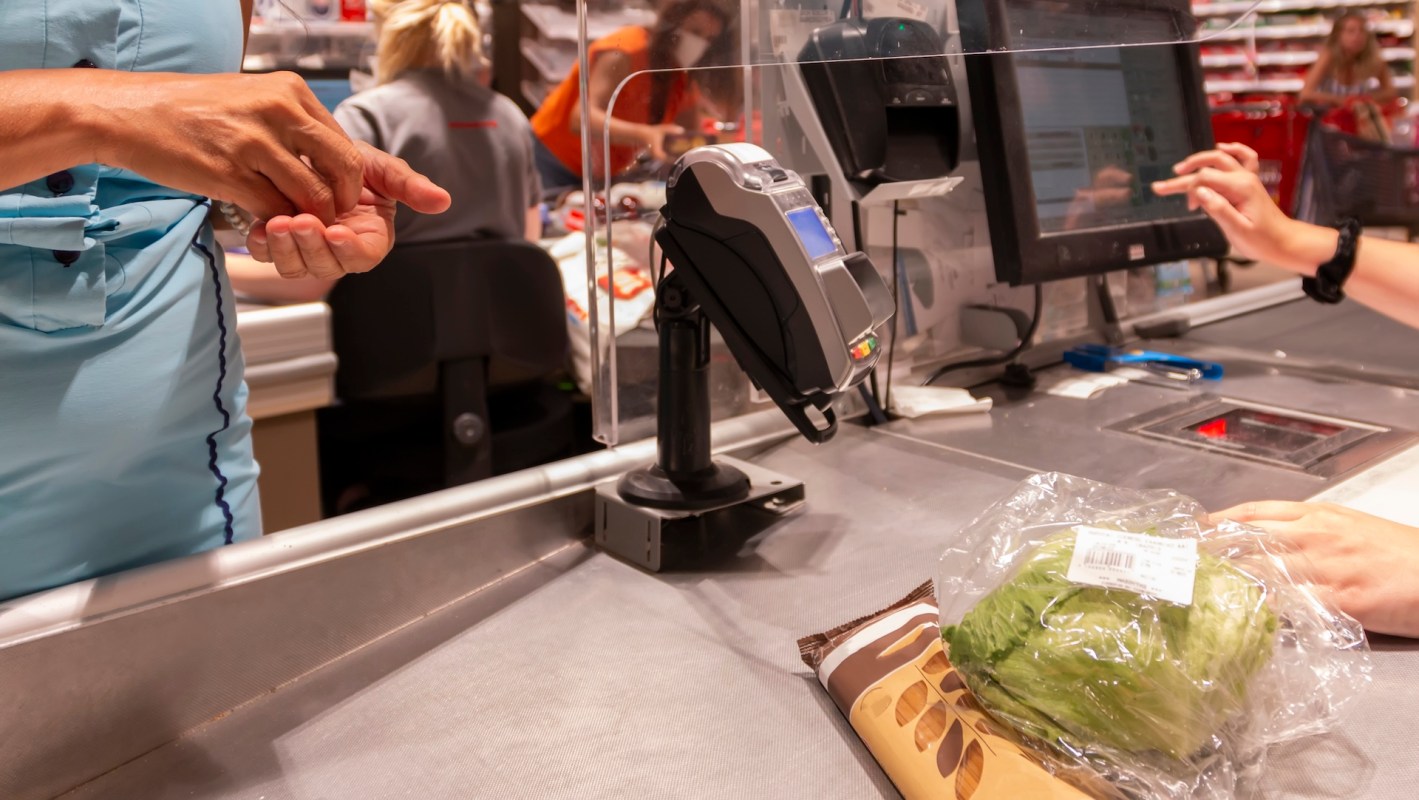
There's no question that food costs have become increasingly burdensome in recent years, whether dining out, ordering takeout, or shopping at the grocery store.
It stands to reason that high-quality, nutrient-dense food and plant-based protein would prove far costlier than processed "convenience" foods, but a recent article from VegOut by Avery White challenged that widespread assumption, shocking even the author herself.
"Healthy food is expensive" is a common lament, and there's some real-world data supporting the notion that nutrient-dense foods have indeed gotten more expensive.
A February 2023 study showed that "healthy food" became pricier in the years following the pandemic. In February 2025, Northwell Health reported that sustained inflation reduced Americans' access to healthy food, but also indicated that shoppers' perceptions played a role.
"A 2022 national survey found that the perceived high cost of healthy food was the biggest barrier to a healthier diet, with nearly half (46%) of respondents saying so," the article stated.
New, recently amended USDA food pyramid guidelines emphasized meat over alternative proteins, but the cost of meat, particularly beef, has been skyrocketing.
As White's VegOut article noted, consumers tend to consider "two competing narratives" about "healthy food": plant-based diets are inherently price-prohibitive, requiring endless expensive substitutions, and that "beans and rice are cheap, so [they'll] save a fortune." In other words, when thinking about some specific plant-based foods that are generally considered to be healthy, such as beans and rice, the picture of affordability often becomes clearer than the abstract notion of health foods as a broader concept.
Consequently, White decided to reconcile these mutually exclusive notions using a spreadsheet, crunching the numbers to determine which assumption had merit for six months.
In the first month, she spent 23% more than their "omnivore average," and began to suspect the first narrative — that healthier plant-based foods were more expensive — was accurate.
"But here's where it gets interesting," White continued. Although her second-month tally wasn't mentioned, by month three she'd spent 8% less than before switching to plant-based foods, dropping to 15% below the previous average in their fourth month of the experiment.
TCD Picks » Quince Spotlight
💡These best-sellers from Quince deliver affordable, sustainable luxury for all




|
What's the most you'd pay per month to put solar panels on your roof if there was no down payment?
Click your choice to see results and speak your mind. |
 $200 or more 💰
 "Here's where the numbers stopped making sense to me. My grocery spending dropped 15%, but my total food spending dropped [even more, by] nearly 30%. I stared at the spreadsheet for a long time before I understood," the author continued.
Over time, she identified a factor she hadn't noticed that wouldn't be revealed as easily by Excel formulas. Their broader shift led to a different relationship with food altogether.
By shopping more strategically, planning ahead, and maximizing the contents of their fridge and pantry with more creativity with something that began feeling like more of a hobby, she'd inadvertently cut wasteful spending, citing a Lancet article that determined "plant-based diets can be more cost-effective than omnivore diets in high-income countries."
Furthermore, she also realized she wound up eating out less often, accounting for that near-30% drop in overall spending to go with the smaller reduction at the grocery store: "Not because I was avoiding restaurants, but because I'd become genuinely interested in cooking," she wrote. "When you're excited about the meal you're making at home, the convenience of takeout loses its pull."
While anyone's mileage may vary if they try the same thing at their area grocery stores, it's clear that plant-based options aren't always more expensive, even if some common substitutions cost a bit more. And perhaps relevant to the author's experience, plant-based options often last longer before spoiling than animal meat and dairy products, which can add up through waste avoidance and also the ability to stock up extra during sales.
Ultimately, the author found, eating cleaner, cheaper food and prioritizing plant-based options was slightly less expensive after the first two months, but that wasn't their primary takeaway.
"The spreadsheet that matters isn't the one tracking your receipts. It's the one tracking whether you're living in alignment with what you actually believe," White wrote. "That calculation, I've found, always comes out in your favor."

Get TCD's free newsletters for easy tips to save more, waste less, and make smarter choices — and earn up to $5,000 toward clean upgrades in TCD's exclusive Rewards Club.
Cool Picks




