


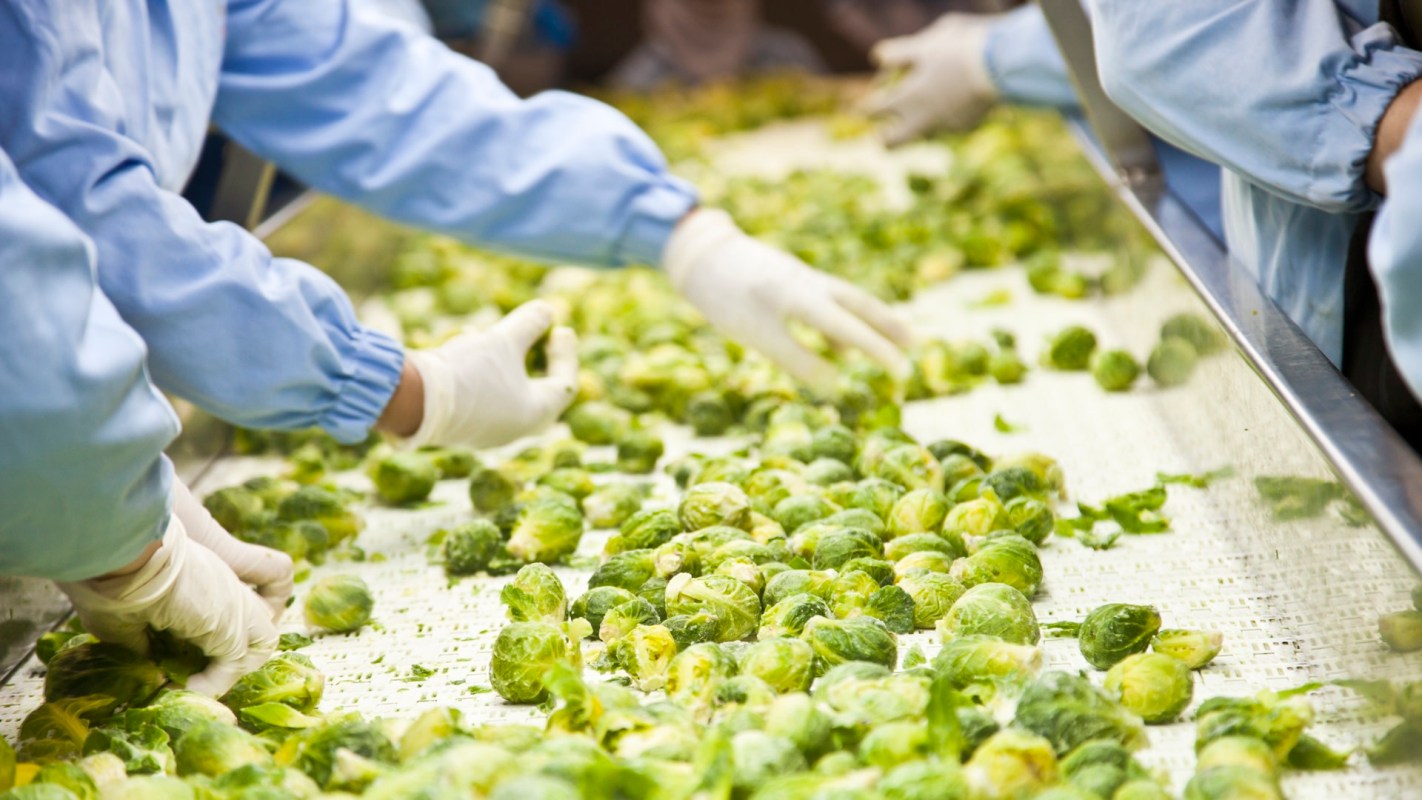
Organically Grown Company (OGC) is the latest signatory of the U.S. Food Waste Pact, a national voluntary agreement to reduce food waste across the country, according to Fresh Plaza. OGC is the first wholesale organic produce distributor to join this pact, showing the movement's growing reach over the country's food system.
Founded in 1978 by a group of small-scale farmers, activists, and food-lovers in Eugene, Oregon, Organically Grown Company began as a resource for the community to make organic food more accessible. Its humble beginnings saw a team of six co-op members serving the upper Willamette Valley and Southern Oregon area.
Since then, the company has grown its operations, sourcing organically grown food from U.S. farmers on the Western Coast, as well as from international farmers in Canada, Peru, Mexico, and beyond. OGC distributes these organic foods to over 1,000 locations across the Western United States, serving Washington, Oregon, California, Idaho, Montana, and Alaska.
In late August, OGC joined 23 others, including Aldi, Bob's Red Mill, Chick-fil-A, Hilton, Kroger, and others in the U.S. Food Waste Pact, to collectively reduce food waste in the country.
The Pact aims to help collaborators achieve measurable savings in food waste by using its "Target, Measure, and Act" framework.
Collaborators agree to report their annual food waste data to the Pact. Based on the Pact's waste data analysis, collaborators will receive anonymized and aggregated data to measure their performance compared to industry peers. This data informs food waste solutions to improve the company's food waste numbers.
According to ReFED, surplus food — food that goes unsold or uneaten — reached $382 billion in 2023. That is about 237 million tons of food, or about 120 billion meals' worth of food, wasted.
Food waste sent to the landfills also releases heat-trapping gases — carbon dioxide and methane — as the food decomposes, which contribute to rising global temperatures. According to data from Our World in Data, food waste accounts for 6% of global pollution by heat-trapping gases.
Reducing food waste benefits all levels of the U.S. food system. Businesses save on the cost of wasted food while vulnerable communities have improved access to healthy and fresh food. Consumers save more money by buying only what they need and keeping their food fresh for longer, preventing food from going to waste.
Food waste data also helps farmers to better plan growing seasons, allowing them to conserve land and natural resources needed for food production.
TCD Picks » Quince Spotlight
💡These best-sellers from Quince deliver affordable, sustainable luxury for all




|
What is the biggest reason you don't grow food at home? Click your choice to see results and speak your mind. |
 Not enough time ⏳
 "Supporting organic farmers and getting healthy food onto people's tables are among our biggest priorities," said Mike Dill, OGC director of advocacy and sustainability, according to Fresh Plaza.
Companies are also innovating solutions to help tackle food waste.
In China, natural gas giant Shenergy is turning excess food into an alternative fuel source, green methanol, used in shipping. In the U.K., researchers are turning food waste into sustainable, flood-resistant building materials.

Join our free newsletter for easy tips to save more and waste less, and don't miss this cool list of easy ways to help yourself while helping the planet.
Cool Picks




