


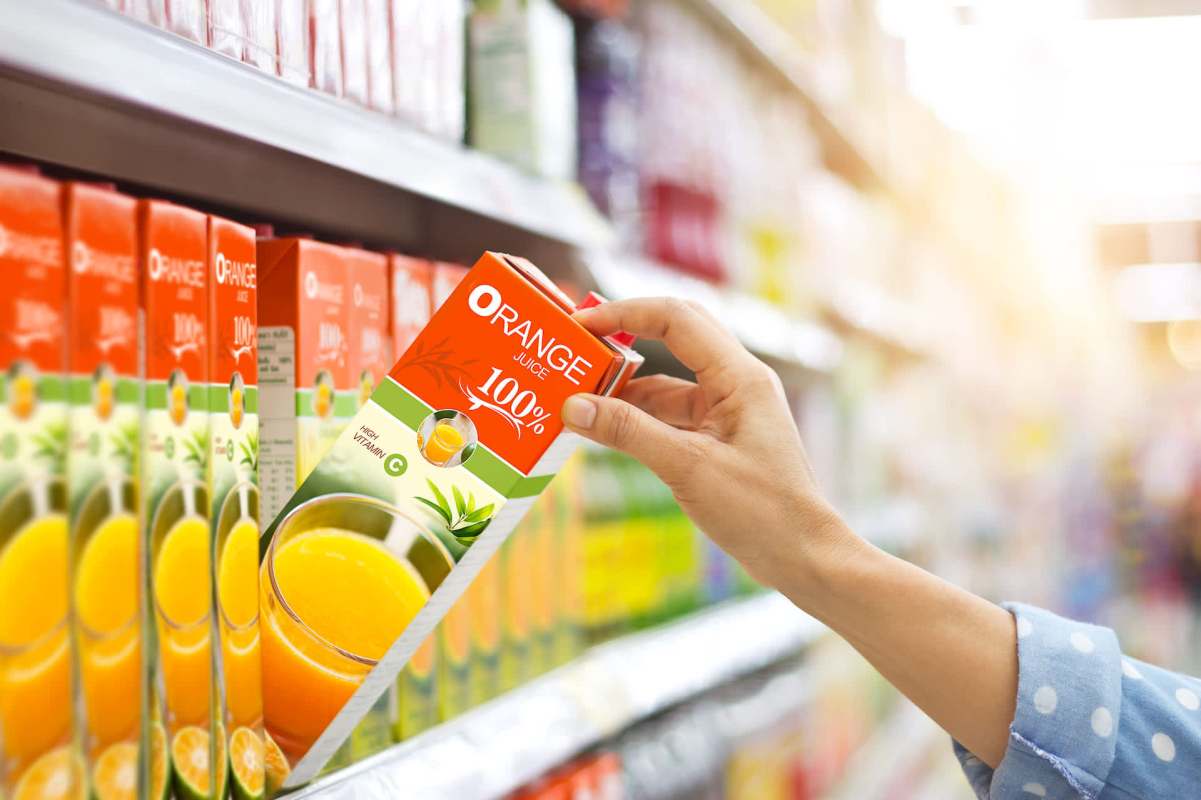
A single cup of juice is now another reminder of how rising global temperatures are impacting food prices. The BBC recently reported that the price of orange juice has increased significantly, and extreme weather events are among the main factors driving the price up.
What's happening?
Over the course of five years, the price of orange juice cartons in U.K. grocery stores has gone up 134%, per the BBC. However, that price increase isn't just happening in grocery stores. Consumers are also facing rising prices when they go out to eat, with "£3.50 to £4 [about $4.50 to $5.25] now a standard price point for a glass of basic OJ."
As orange prices have risen, consumers are facing both higher costs and changes in flavor. "As costs have surged, the taste is changing too, with certain manufacturers substituting oranges for mandarins to cut costs," the BBC explained. "The public is, if you like, being freshly squeezed."
In the U.S., food prices are continuing to rise even as the country generates massive food waste. The U.S. Food & Drug Administration has reported that food waste accounts for 30% to 40% of the nation's food supply. According to the EPA, in 2019, the U.S. produced about 66 million tons of food waste. What's worse, the majority of that food waste ended up in landfills, releasing harmful pollutants that exacerbate the overheating of our planet.
TCD Picks » Martie
💡Martie makes it easy to find quality food at massive discounts while helping to fight food waste





Why are the increases in orange prices concerning?
Rising global temperatures, paired with extreme weather events, are among the factors driving up the price of oranges. As countries continue to rely on dirty energy sources, they emit planet-warming gases into the atmosphere that can exacerbate powerful storms, which further threaten food supplies.
Farmers and consumers are bearing the brunt of this cycle, as unpredictable weather disrupts harvests and contributes to agricultural expenses and food price increases.
What's being done about the impact of extreme weather on food?
In some countries, farmers are adapting to rising temperatures and swapping out their traditional crops for warm-weather produce. In Sicily, for example, some farmers have started growing mangoes to deal with the hotter climate.
On an individual level, there are still ways you can reduce your grocery costs while combating food waste. For example, Martie is an online grocery store that offers major discounts on food items. By taking overstock from big brands, Martie can offer customers food at discounted prices of up to 80%. This is a win-win for consumers and the environment, as Martie helps reduce food waste while offering more affordable grocery prices.
Save $10,000 on solar panels without even sharing your phone number Want to go solar but not sure who to trust? EnergySage has your back with free and transparent quotes from fully vetted providers in your area. To get started, just answer a few questions about your home — no phone number required. Within a day or two, EnergySage will email you the best options for your needs, and their expert advisers can help you compare quotes and pick a winner. Solar panels can save you more than $50k over their 25-year lifespan, and EnergySage can help you save as much as $10k on installation. Which begs the question — isn't that worth an email or two? |


💰Get TCD's free newsletters for easy tips to save more, waste less, and make smarter choices — and earn up to $5,000 toward clean upgrades in TCD's exclusive Rewards Club.







