


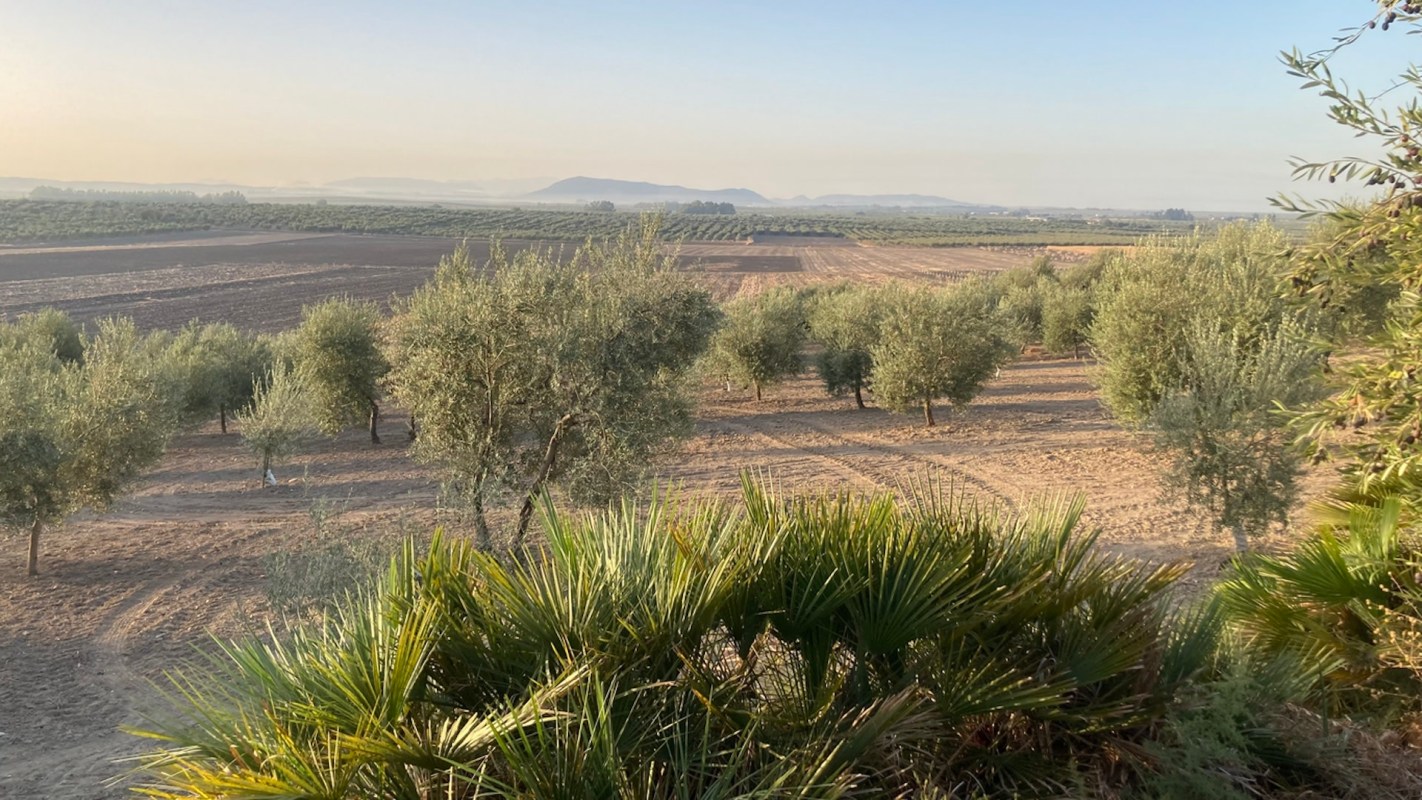
The cost of olive oil is on the rise, and countries in the Iberian Peninsula in particular are feeling the pinch.
Olive oil is a staple ingredient in Portuguese and Spanish meals, but production has been impacted by drought conditions and prolonged heatwaves. Crop shortages, in conjunction with general food inflation, have bottle prices soaring.
Citing data from Eurostat, Euronews noted January marked a 69.1% rise in the price of olive oil, with an increase of 62.9% in Spain.
While other countries in Europe have experienced price hikes, the Iberian nations and Greece are where the jump has been more pronounced.
According to the Olive Oil Times, the troubles of olive farmers are expected to continue. It's anticipated the 2023-24 crop will drop by 7% compared to the previous year's and 23% compared to the average crop produced in the previous four years.
"It's just awful for people down here," Spanish olive farmer Rafa Guzmán told The Guardian in September. "There's always been the odd bad harvest, like last year. But two bad harvests in a row? I can't remember any — and I'm 50 and have been working the trees with my dad since I was a kid. There are people who had olives last year and have none this year. Some people may have to stop growing olives. We don't know."
Spain was still dealing with unseasonably high temperatures and drought conditions early this year, so prospects for the country's olive oil industry look bleak.
Human-caused pollution is at least partly responsible for these increasing temperatures and extreme weather events. While cutting such gases will benefit olive oil farmers experiencing difficult growing conditions, it will also help farmers of other crops with similar problems.
According to the World Economic Forum, cocoa, soybeans, rice, and potatoes are among the crops most affected by intense summer temperatures.
We can help individually by making positive life changes, including using dirty-fuel-powered cars less or avoiding buying items that are covered in single-use plastics. The industry has a part to play, too.
TCD Picks » Quince Spotlight
💡These best-sellers from Quince deliver affordable, sustainable luxury for all




The European Union says agriculture is responsible for more than 10% of the planet-warming pollution produced by member states, with methane and nitrous oxide notable harmful gases commonly released.

Join our free newsletter for easy tips to save more, waste less, and help yourself while helping the planet.
Cool Picks




