


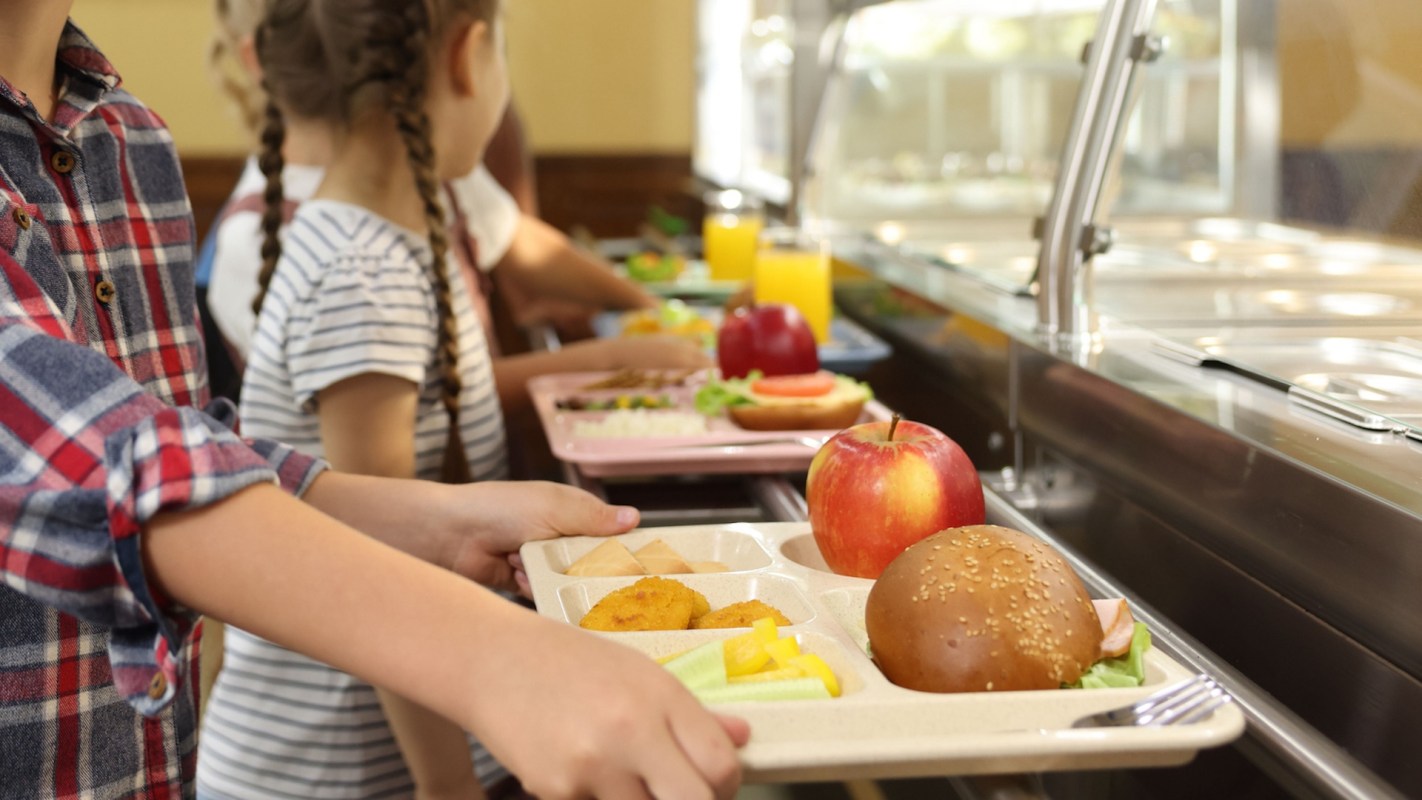
Instead of being thrown away, unopened applesauce cups, bananas, and juice cartons at one elementary school are being set aside so they can still be eaten.
The practice reflects a broader effort in North Carolina to shrink cafeteria waste, reduce harmful carbon pollution tied to climate change, and help more students get enough food.
What's happening?
During lunch at Olive Chapel Elementary in Apex, students put sealed food they do not eat onto a sharing cart, where other children can take it either during lunch or later in the day.
Olive Chapel joined Stop Hunger and Restore Earth last year. The goal is to keep wholesome food available to students instead of sending it to a landfill.
According to NC Health News, SHARE is a partnership between Toward Zero Waste, a North Carolina nonprofit, and the Wake County Public School System. It began with eight pilot schools in spring 2025 and has since expanded to 37 campuses, with additional schools still waiting to participate.
Early data show that each school recovers about 41 food items per day, Toward Zero Waste food recovery and compost director Megan Holler told NC Health News.
TCD Picks » Quince Spotlight
💡These best-sellers from Quince deliver affordable, sustainable luxury for all




Ashley Charles, an assistant principal at Olive Chapel Elementary, said the program "ensures that all kids are fed."
"For kids who maybe don't have snacks or need extra food, it's a way that we can save food and make sure they're getting what they need," she added.
Only unopened foods served by the school can be shared, including apple slices, baby carrots, bananas, juice cartons, and packaged snacks. Students can take items from a monitored cart during lunch, and anything left afterward is moved to a fridge or pantry cart they can access.
Why does it matter?
The program tackles two issues at once: hunger and waste.
NC Health News reported, citing the North Carolina Poverty Research Fund, that about one in five children in North Carolina faces hunger. The Environmental Protection Agency, meanwhile, says food accounts for roughly a quarter of municipal solid waste sent to landfills.
Discarded food also carries a climate cost. As NC Health News reported, food decomposing in landfills releases methane, a heat-trapping gas that accelerates global warming, so keeping edible items in use means less carbon pollution and less waste of the resources used to produce that food.
NC Health News also reported that a 2025 EPA study put food waste at more than $700 per person each year in the United States and nearly $3,000 for a family of four.
Wake County has an added local concern. As NC Health News reported, the county expects the South Wake Landfill to fill up sometime between 2040 and 2045. Programs such as SHARE can help reduce what gets buried, one school at a time.
What's being done?
Toward Zero Waste supports schools with carts, mini fridges, signs, and training materials. Under its agreement with Wake County Public Schools, the nonprofit also assumes liability and does regular check-ins to make sure food is being handled safely.
Elizabeth Hannah, the principal at Apex's Lufkin Road Middle School, said that level of support has made the program easier to adopt.
"You really can't ask for a more organized process or plan, and a tremendous amount of support in terms of anything that you need or any questions that you have," Hannah said.
As NC Health News reported, advocates want to recover more food, particularly unopened milk, yogurt, and cheese sticks, but current state guidance bars schools from collecting those dairy items because they fall under time- and temperature-control rules.
In comments reported by NC Health News, a spokesperson for the North Carolina Department of Health and Human Services said: "NC DHHS's Environmental Health Section is planning to further discuss this topic with [the Department of Public Instruction] as our shared goal is to ensure the safe handling of unopened milk, yogurt, and other TCS (Time/Temperature Control for Safety) foods for donation."
"This program allows us to provide unopened, wholesome food while also not harming the environment by creating waste out of that food," Hannah said. "We're able to make sure that students who are hungry have a little extra opportunity to get something to eat."

Get TCD's free newsletters for easy tips, smart advice, and a chance to earn $5,000 toward home upgrades. To see more stories like this one, change your Google preferences here.







