


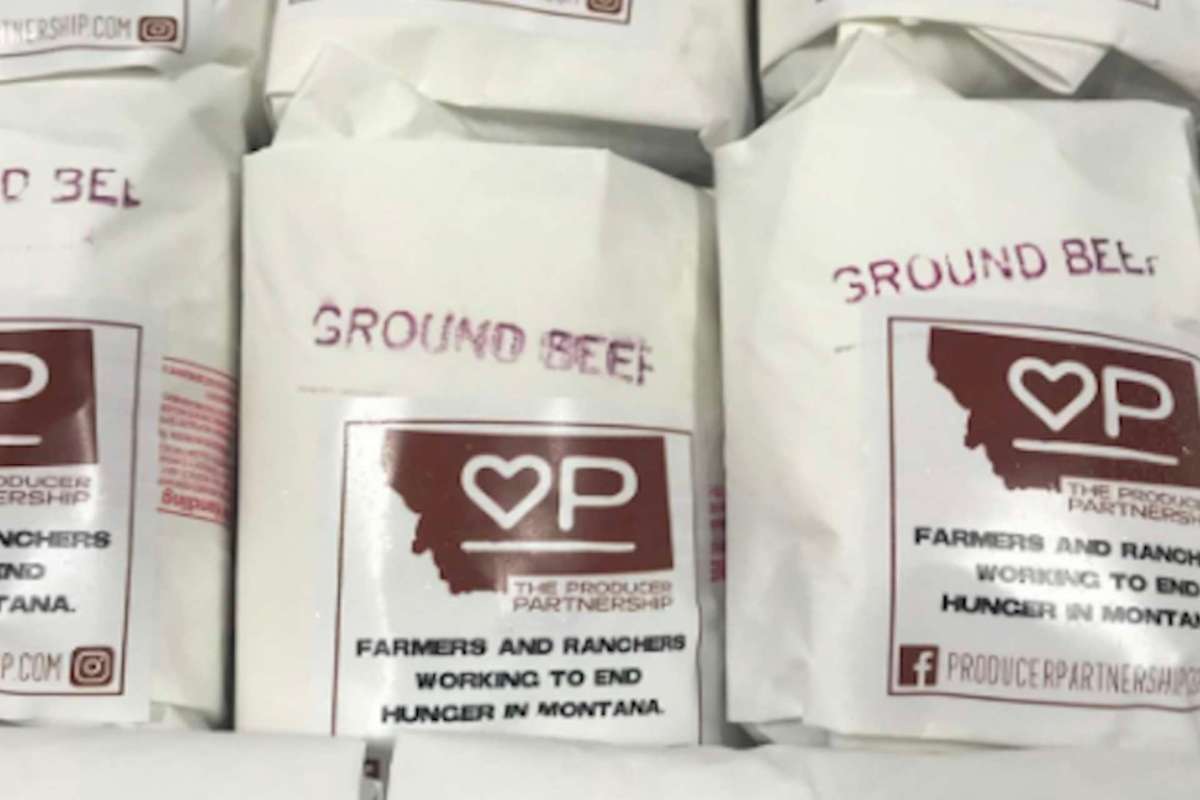
A Montana rancher has helped transform a costly challenge for livestock producers into a new source of food for families who need it most.
The effort led to what is now the first federally inspected nonprofit meat processing facility in the United States, focused on delivering fresh beef to food banks across Montana.
Here's what to know
In a Sept. 12 Instagram post, the Farmers Market Localize (@localizefood.app) described how the operation has grown.
Animals that are injured or no longer productive can be donated by ranchers instead of being sold below market value. That allows cattle that might have been a financial loss to be used as food.
Under the program, the Producer Partnership pays for processing while the cattle go through full federal inspection.
That beef is then sent to food banks in many Montana counties, where fresh meat donations had previously been rare.
TCD Picks » Quince Spotlight
💡These best-sellers from Quince deliver affordable, sustainable luxury for all




More background
The program addresses two issues at once: food waste and food insecurity. Meat that might have gone to waste ends up going to those who can really appreciate it.
The solution helps address some of the trickier situations for ranchers with injured or nonproductive animals. America has a significant food waste problem, and some of the biggest trouble areas are with logistics.
The Montana rancher's selfless actions help simplify the situation for Montana ranchers by removing the layers of processing costs and necessary inspections. It also provides an avenue outside of finding a buyer and agreeing upon a fair price.
Much of the reaction on social media was positive, with different commenters referring to it as "amazing," "awesome," and "nice."
What's being done?
By covering processing expenses, the nonprofit makes donation a more practical choice for ranchers.
When a producer would otherwise lose money selling an animal suffering from an ailment, giving it to the program becomes a far more realistic option.
For residents reliant on local food banks, the program also allows them an unusual chance to enjoy fresh meat. Considering rising meat prices, that is a luxury that many vulnerable residents can't afford on their own.
Where can I learn more?
Montana's meat donation model is part of a broader shift in agriculture. Improvements in crops, irrigation, and farm technology often focus on aligned goals like cutting waste, building resilience, and keeping more food in the system.
• Former poultry farmers have turned to alternative farming using waste to grow vegetables.
• On working cropland, farmers are using solar panels to protect and boost vegetables.
• In India, one farmer is using solar-powered irrigation to cut costs and water waste.
• Researchers have built a high-security farm cloud to protect critical data from cyber threats.
All of these fixes are moving toward a more efficient, less wasteful food system for our society.

Get TCD's free newsletters for easy tips, smart advice, and a chance to earn $5,000 toward home upgrades. To see more stories like this one, change your Google preferences here.







