A debate on Reddit is prompting people to rethink one of the most familiar items in the grocery aisle: milk. Instead of buying a plastic jug or carton, some shoppers are asking whether they could simply bring their own bottle and fill it from a machine.
The idea sparked discussion in a zero-waste forum, where users weighed the potential packaging benefits against concerns about food safety, refrigeration, and cost.
What happened?
In a Reddit post, the original poster wondered why refillable milk setups remain so uncommon, especially when some zero-waste stores sell milk at much higher prices. They suggested a system in which dairies supply milk in reusable, keg-like containers that dispense into bottles customers bring, then are sent back empty for reuse.
"Zero waste stores exist. They're also really expensive," the OP wrote. "I remember milk costing about 4x what the supermarkets were selling it for. Is there a reason it couldn't be sold from a vending machine? You pay a euro on credit card, and it pours a litre of milk into the container you bring."
The poster said a self-contained setup could work in everyday locations like supermarkets, fuel stations, or even on sidewalks, rather than only in "a little boutique store on the high street with high rent." To support the idea, they pointed to beer service logistics, noting, "That's a proven distribution model, pubs do it all the time."
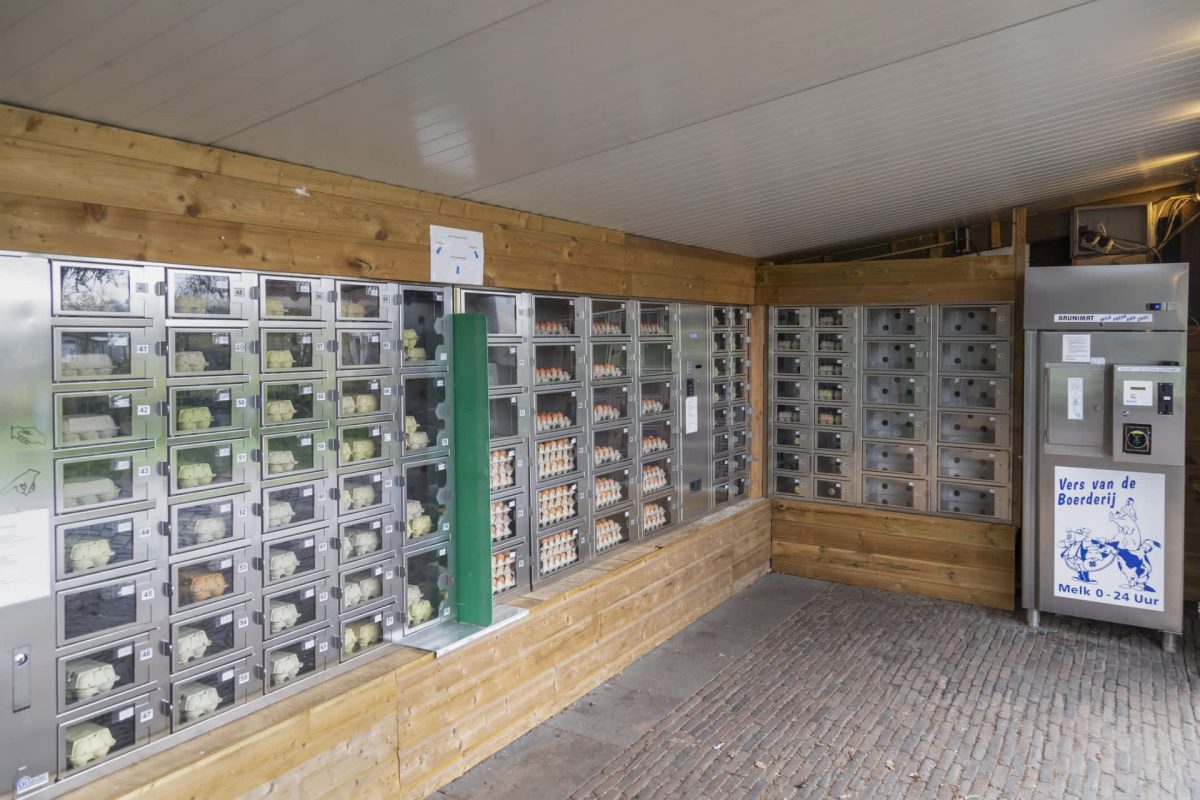
In fact, some countries do have vending machines that specialize in farm products as a more common sight, such as in the Netherlands and Romania, and there is generally nothing stopping an individual farm from setting one up, though one that pours milk directly into a container you bring is much rarer to find.
TCD Picks » EDF Spotlight
💡EDF's Vital Signs newsletter delivers stories about game-changing solutions close to home and around the world



Logistically, the main hangup on that concept is likely that continually filling the dispensing container with fresh milk would make it difficult to manage the older milk being used up, and any spout or dispensing apparatus may get dirty more easily than one that merely provides water, juice, or soda.
Why does it matter?
A refillable milk machine could reduce single-use packaging waste while making lower-waste shopping more convenient than a special trip to a niche store, in theory. If systems like this became more widely available, shoppers could potentially reuse the same bottle over and over instead of continually buying plastic jugs or cartons.
Commenters also pointed out why this model is not already widespread. Milk is highly perishable, meaning any refill station would require temperature control, cleaning, and adherence to food safety standards. Even if packaging waste were reduced, retailers and dairies would still have to manage sanitation, spoilage, and installation and maintenance costs.
Many consumers support the concept, but not if it comes with a steep markup. Reducing packaging without raising costs would depend on whether businesses can make the economics work. A better solution, then, may be a return to glass milk jugs that are reused over and over again, though this again can lead to higher transportation costs from the weight and higher risk of breakage and spilling.
What are people saying?
Commenters said versions of this approach already exist in some areas.
"There is a store near me that sells local milk in glass containers and you return the bottle," one commenter wrote, highlighting a deposit-return model already in use. "I assume the reason there isn't a milk dispenser is because the nozzle would get gross really fast."
"These exist here (Romania), I call them iron cows," another added. "They are refrigerated vending machines. You put in a bottle or jug, select the amount you want, pay with cash or card - and it fill the receptacle for you, with some added sensors to avoid spillage in case the quantity selected is too much (on the good ones anyway, the basic ones will overfill)."
Many users returned to practical concerns, including refrigeration, hygiene, and whether a cheaper refill-first system could truly compete with conventional supermarket milk.

Get TCD's free newsletters for easy tips, smart advice, and a chance to earn $5,000 toward home upgrades. To see more stories like this one, change your Google preferences here.