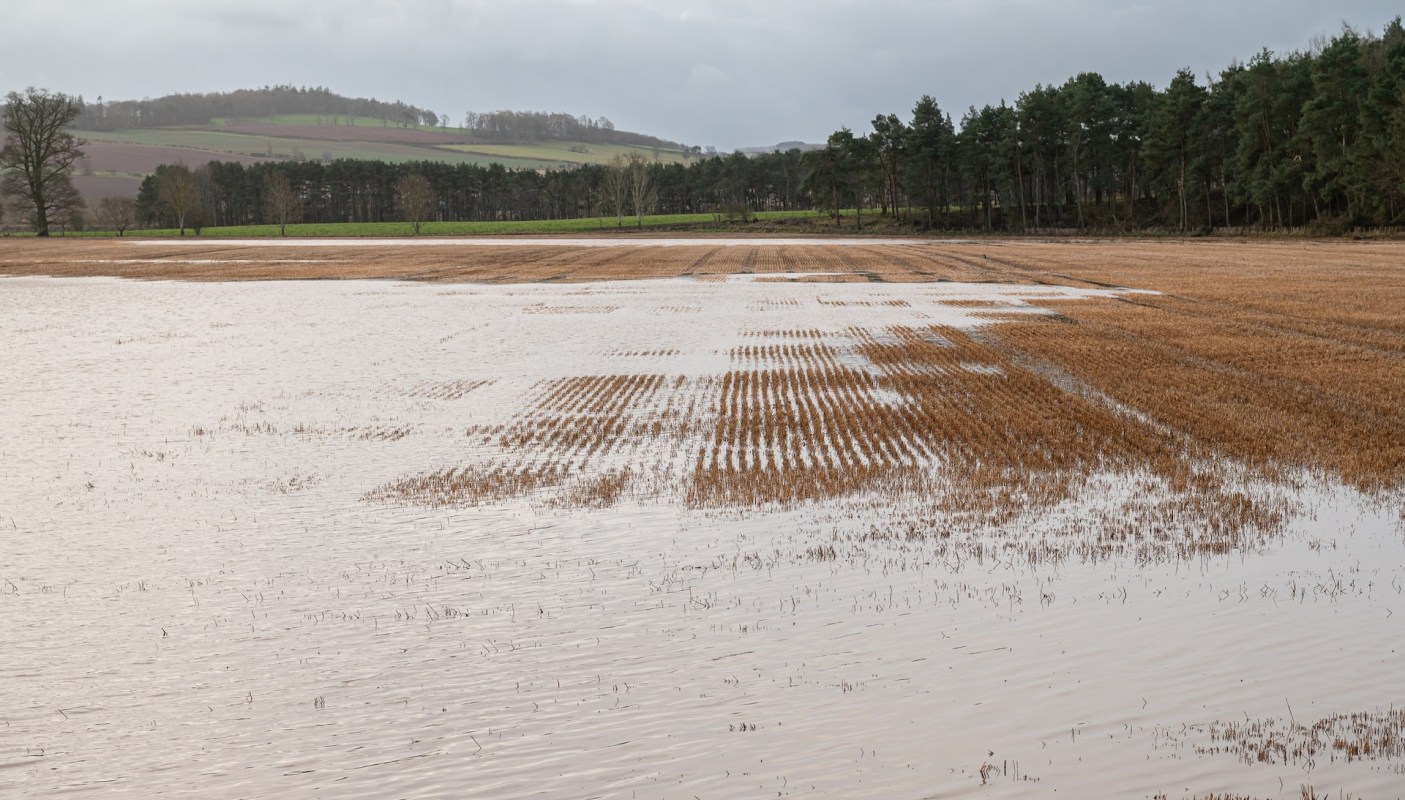
Mangoes may be more expensive in the near future after flooding across Pakistan's Multan region devastated orchards.
According to the Associated Press of Pakistan, it's threatening the livelihoods of thousands of farmers who depend on them.
What's happening?
The Mango Research Institute in Multan confirmed that around a quarter of mango orchards across local districts have been destroyed by recent floods. That's equivalent to roughly 31,500 acres of orchards in Multan alone.
With each mango tree able to produce around 400 to 600 fruits a season, that's a lot of mangoes that won't be ending up in grocery stores and households.
"Overall, 22.7% of mango orchards across Multan, Khanewal, and Muzaffargarh districts have been destroyed by the floods," Dr. Hafiz Asif-ur-Rehman, director of the institute, told APP.
Why are damaged mango crops concerning?
Multan's mangoes have earned the region the nickname "the King of Mangoes" — and the fruit is one of Pakistan's most prized agricultural exports.
TCD Picks » Quince Spotlight
💡These best-sellers from Quince deliver affordable, sustainable luxury for all




Not only are the mango orchards important sources of income for local families, but they also help supply markets across Asia, the Middle East, and Europe.
With so many trees lost, farmers are looking at years, maybe even decades, before production returns to where it once was.
That's because mango trees can take 15 to 20 years to fully mature and start reliably producing fruit. Ultimately, this means economic strain for families and higher prices for consumers.
This scenario also underscores how increasingly extreme weather events, such as unpredictable rainfall and extreme flooding, are putting crops and communities at risk.
|
Would you buy juice or yogurt made with bruised or misshapen fruit?
Click your choice to see results and speak your mind. |
 If I couldn't tell the difference 🤔
 Human activity is part of the problem, as harmful pollution continues to contribute to rising global temperatures. As weather patterns shift, traditional farming systems that once relied on seasonal patterns are struggling to keep up.
What's being done about it?
For now, authorities in the province are still assessing the total damage. Several solutions are on the table, like offering financial assistance to farmers and helping resupply orchards with new trees.
Punjab has seen success with government interventions before, increasing its 250,000 acres of orchards to up to 350,000.
"We will soon introduce schemes for orchard rehabilitation and productivity enhancement," said Dr. Asif.
While these recovery measures will take time, protecting crops and the people who grow them is essential to building a safer, more resilient food future for us all.
"Our aim is to restore production levels in Multan, a region globally renowned for its mangoes," Asif added.
In the meantime, readers can take steps to slow down the effects of pollution and a warming planet. Swapping a gas-guzzling car for an electric vehicle, investing in domestic solar power, and reducing plastic use are all ways to help.

Join our free newsletter for easy tips to save more and waste less, and don't miss this cool list of easy ways to help yourself while helping the planet.