


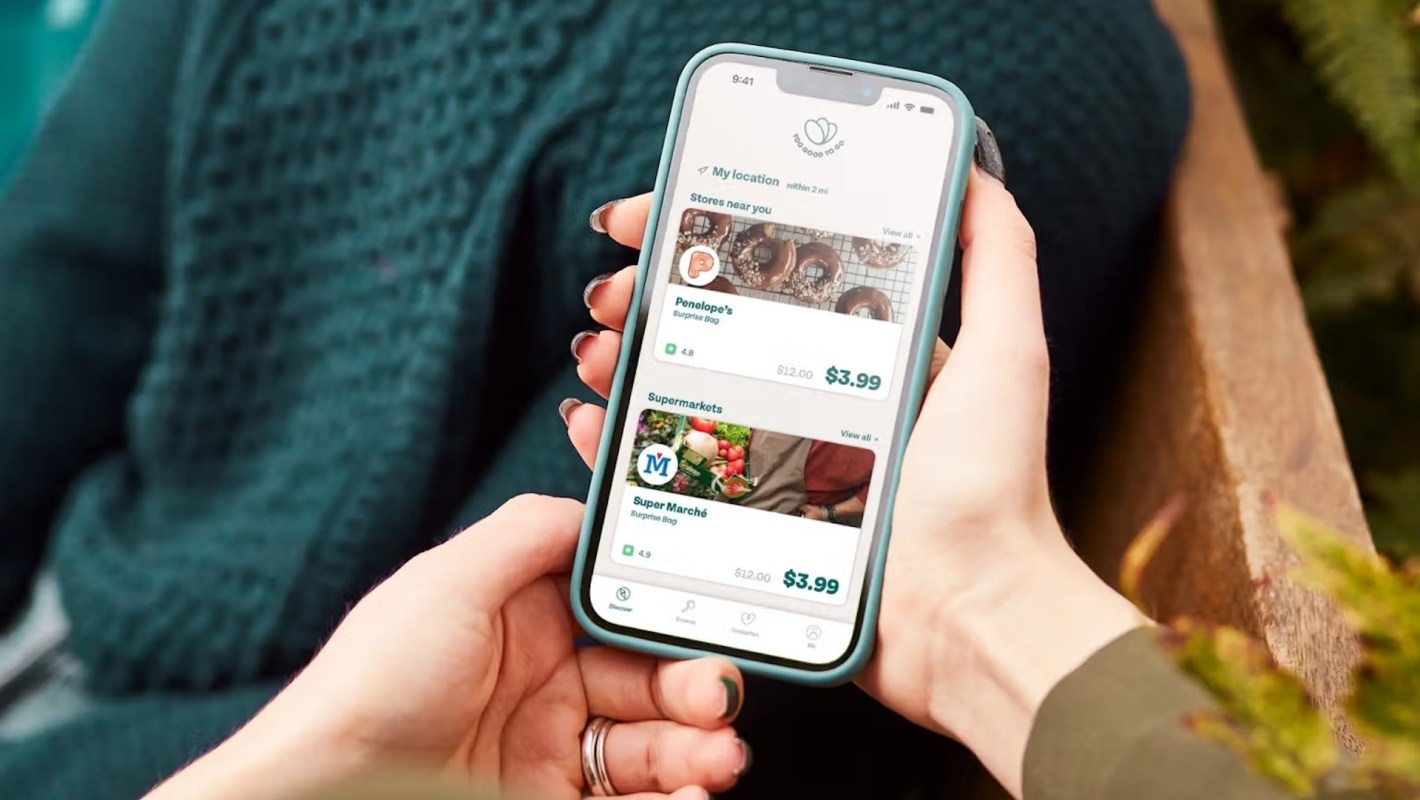
A North Carolina man trying to save for a replacement car has found help in an unexpected place: discounted "surprise bags" of surplus food.
By using food rescue apps, shoppers like Matthew Hall are cutting grocery bills while helping keep edible food out of landfills.
Hall, 25, of Durham, North Carolina, told USA Today he has been using the app Too Good to Go to stretch his grocery budget as food prices and overall inflation remain high. The platform connects shoppers with grocery stores, cafes, and restaurants selling extra food at steep discounts.
Chris MacAulay, Too Good To Go's vice president of operations for North America, told USA Today that the company has expanded rapidly since launching in Europe in 2016, growing to 120 million users and 180,000 business partners across 21 countries. According to the publication, the app currently operates in 62 U.S. cities and plans to expand to nearly 70 by the end of the year.
The company says its "surprise bags" typically sell for at least half off retail and often cost about one-third of the original price.
Hall said he often buys discounted Whole Foods bags and uses them to supplement his regular grocery shopping. In one recent purchase, he spent $9.99 on a meat bag valued at about $30 and got 5 pounds of chicken close to its sell-by date.
TCD Picks » Quince Spotlight
💡These best-sellers from Quince deliver affordable, sustainable luxury for all




Because shoppers do not know exactly what will be inside each bag, Hall said the app also pushes him to be creative in the kitchen. He has used surprise ingredients to make quesadillas and burrito bowls or even cook lion's mane mushrooms he had never prepared before.
For many households, grocery prices remain a major pressure point. Apps like Too Good to Go and Flashfood, a similar discount food app, offer one way to lower food costs.
These services also address a significant waste problem. Flashfood CEO Jordan Schenck told USA Today that roughly 40% of food made worldwide is wasted, including categories such as meat, dairy, and produce. Redirecting some of that surplus to shoppers can help more food serve its intended purpose.
When food is thrown away, the energy, water, labor and transportation used to produce it are wasted too. Keeping edible food in circulation instead of sending it to landfills is a more efficient use of resources.
Stores and restaurants can recover some value from food that might otherwise be discarded, while potentially attracting new customers who may return and shop again at full price.
Too Good to Go and Flashfood are two of the better-known options. Too Good to Go offers surprise bags from restaurants, bakeries, and grocers, while Flashfood allows shoppers to choose specific discounted items from grocery stores before pickup.
Whole Foods now offers Too Good to Go bags in more than 530 U.S. stores, with examples including a $6.99 produce bag valued at $21 and a $9.99 seafood bag valued at $30. Flashfood works with more than 2,000 grocery stores across 28 states and recently broadened a pilot with Kroger.
"In the interest of sustainability and keeping things out of landfills, I use it for things that I can use to meal prep to keep costs low," Hall told USA Today. "It's a win-win for me and for the business."

Get TCD's free newsletters for easy tips, smart advice, and a chance to earn $5,000 toward home upgrades. To see more stories like this one, change your Google preferences here.







