


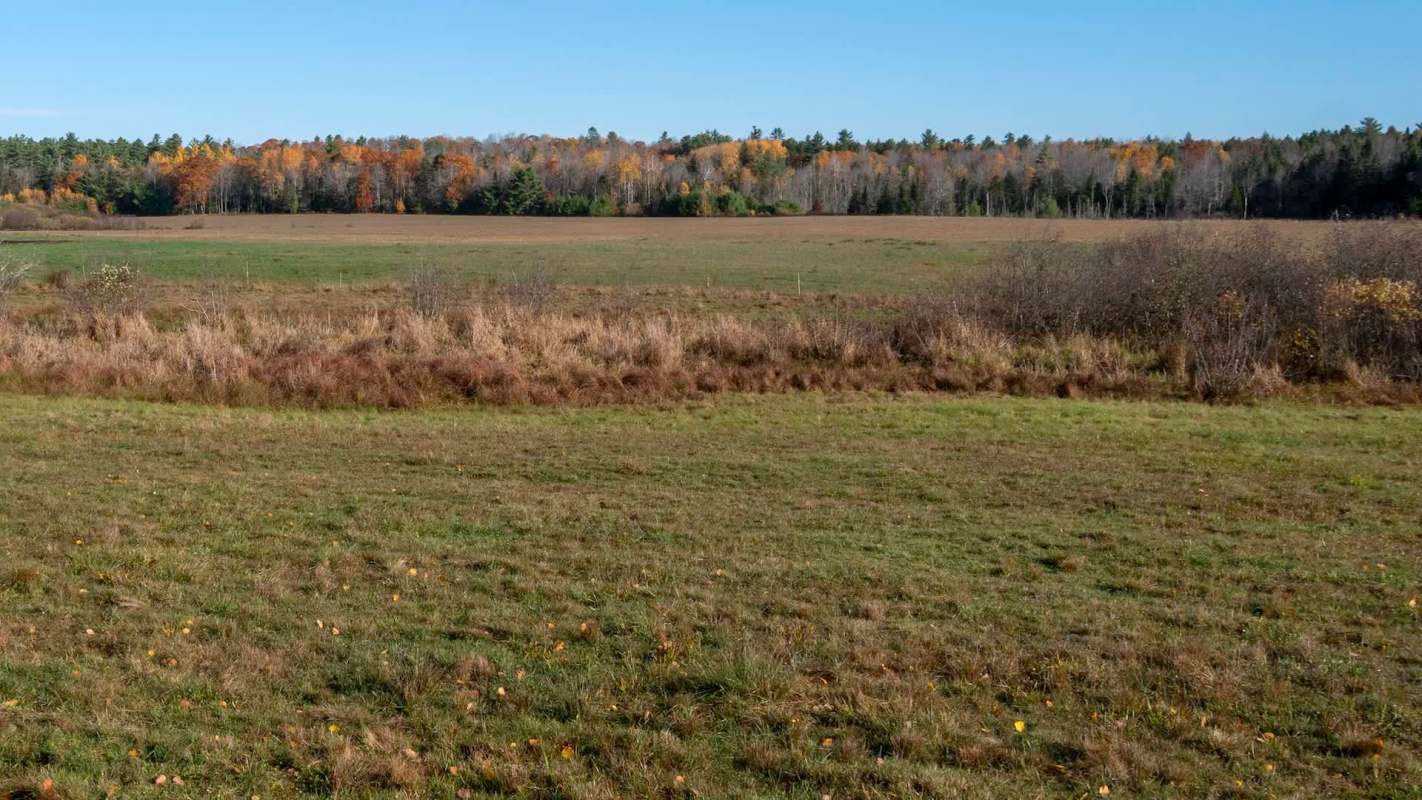
A damaging mix of ill-timed weather in the northeastern United States has led to a dramatic decline in yields of popular produce. The resulting shortages could lead to higher prices at the grocery store.
What's happening?
With early season rains disrupting pollination and a subsequent drought hurting harvests, farmers in the state of Maine have reported shortfalls in the production of popular crops like apples and blueberries, according to Fresh Plaza.
Why are crop declines concerning?
Lower yields will mean financial losses for already-strained fruit producers and distributors and potentially higher prices for consumers.
According to the Environmental Protection Agency, 30% to 40% of the food supply in the United States goes to waste, so reduced yields also serve as a reminder to consumers to make the most of the produce that is available.
TCD Picks » Martie
💡Martie makes it easy to find quality food at massive discounts while helping to fight food waste





"This year we are kind of guessing that the whole state's down about 600,000 bushels," said Sam Ricker, owner of an apple orchard and head of an industry group, per Fresh Plaza.
"If you look at an average return of about $17 a bushel, that's about $10 million."
Typically, Maine produces 800,000 to 1 million bushels of apples every year.
Meanwhile, a flash drought caused blueberries to drop from their bushes faster than farmers could collect them. This led to massively reduced output.
Save $10,000 on solar panels without even sharing your phone number Want to go solar but not sure who to trust? EnergySage has your back with free and transparent quotes from fully vetted providers in your area. To get started, just answer a few questions about your home — no phone number required. Within a day or two, EnergySage will email you the best options for your needs, and their expert advisers can help you compare quotes and pick a winner. Solar panels can save you more than $50k over their 25-year lifespan, and EnergySage can help you save as much as $10k on installation. Which begs the question — isn't that worth an email or two? |

"The bushes were already turning red, the blueberries were already falling, and we ended up losing 28 acres that we could not rake," explained Lisa Hanscom, a farm co-owner and the chair of the Wild Blueberry Commission of Maine, per Fresh Plaza.
Reduced supplies also lead to higher prices for what many families consider pantry staples.
|
What is the biggest reason you don't grow food at home? Click your choice to see results and speak your mind. |
 Not enough time ⏳
 Unfortunately, this is a trend that could continue. While extreme weather isn't a new phenomenon, it is lasting longer and becoming more severe amid rising global temperatures.
For many shoppers, the news could not come at a worse time. According to a report from the Bureau of Labor Statistics, grocery prices have already gone up by 29% since February 2020, NPR reported.
To help lower their soaring grocery bills, many consumers have turned to services like Martie, which offers significant discounts compared to other grocery outlets with the added convenience of shopping online.
What's being done about it?
Industry groups and politicians urged the government to take action to assist produce farmers.
For example, Susan Collins, a U.S. senator representing Maine, urged the federal Department of Agriculture to extend emergency aid to affected growers.
"Without help, Maine's wild blueberry and apple growers risk losing their acreage, and those losses will hurt rural communities across the state," wrote Collins in a letter to Brooke Rollins, the Secretary of Agriculture, according to Fresh Plaza.
As far as consumers go, there are a number of helpful hacks that can help save money, such as shopping smarter.
For example, by purchasing overstocked products and surplus inventory, Martie allows customers to save as much as 80% on brand-name goods.

Get TCD's free newsletters for easy tips to save more, waste less, and make smarter choices — and earn up to $5,000 toward clean upgrades in TCD's exclusive Rewards Club.
Cool Picks




