


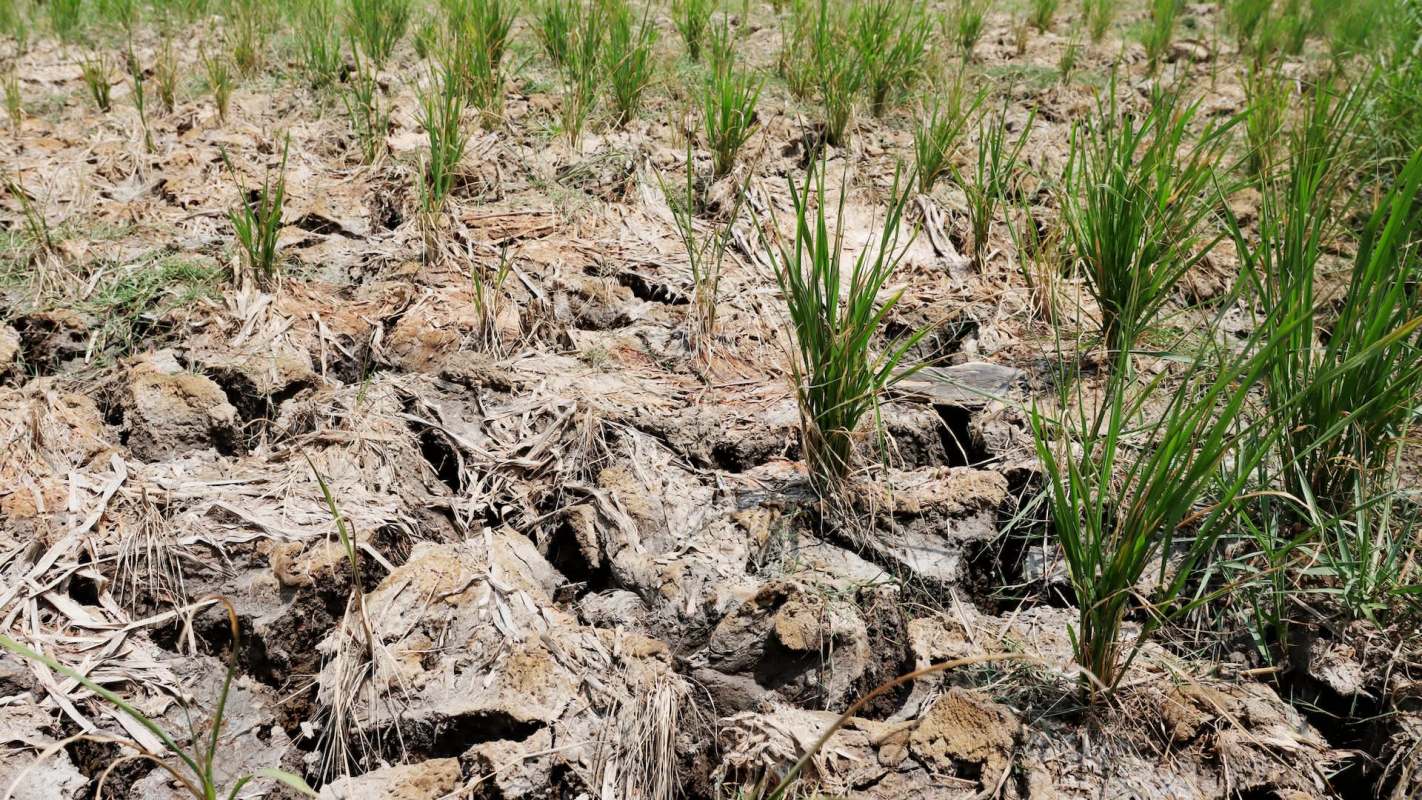
In Nepal's Madhesh province, parched fields and failing rains are leaving families unsure if they'll have enough food. "There might not be enough even for my own consumption," said Puran Mahato, a farmer from Haripur Municipality who normally sells 70 quintals of rice each year. With monsoon rains nearly absent, many households may need to buy the rice they usually grow, threatening both income and daily meals.
What's happening?
As August approaches, much of Madhesh remains dry. Seedlings wither, soil cracks, and transplanted rice struggles to survive. Only half of the province's paddy fields have been planted, and officials warn that without rain by mid-August, yields could collapse.
Farmers are improvising to keep crops alive. Ali Shekh, who typically harvests 150 quintals, shares a borehole pump with neighbors. Families rise early to fetch scarce water, and daily routines revolve around sustaining what little is left. Local markets, normally bustling with produce, are quieter, showing the drought's immediate impact.
Why is Madhesh's drought important?
Madhesh produces more than a quarter of Nepal's rice, plus wheat, sugarcane, and vegetables. Crop failure hits families directly, resulting in hunger, rising food costs, and shrinking incomes. Households must choose between buying food and covering other essentials.
The drought also highlights the fragility of farming to extreme weather. Monsoon failure and parched soils disrupt crop cycles, threatening future harvests.
"The drought has derailed our Feed the Nation campaign. Madhesh is the country's food bowl. Climate change is hitting Madhesh the hardest. It's a wake-up call," said Sohan Sah, vice-chair of the Province Policy and Planning Commission.
Extreme weather anywhere can influence global food supply and prices. Just as droughts in the U.S. Midwest or California affect grocery bills, Madhesh's failing crops could ripple into markets worldwide.
What's being done about the drought?
Farmers and officials are adopting adaptive strategies, including borehole irrigation, shared water resources, and crop diversification. The $650 million Sunkoshi Marin Diversion Project aims to bring water to 122,000 hectares by 2027, though immediate relief is limited.
For families on the ground, every day without rain is a gamble. Planting may still be possible, and even small amounts of rainfall can make a difference. These efforts show how communities are adapting to changing conditions, supporting local food security and building resilience for the long term.
|
What is the biggest reason you don't grow food at home? Click your choice to see results and speak your mind. |
 Not enough time ⏳
Join our free newsletter for easy tips to save more and waste less, and don't miss this cool list of easy ways to help yourself while helping the planet.
TCD Picks » Quince Spotlight
💡These best-sellers from Quince deliver affordable, sustainable luxury for all




Cool Picks




