


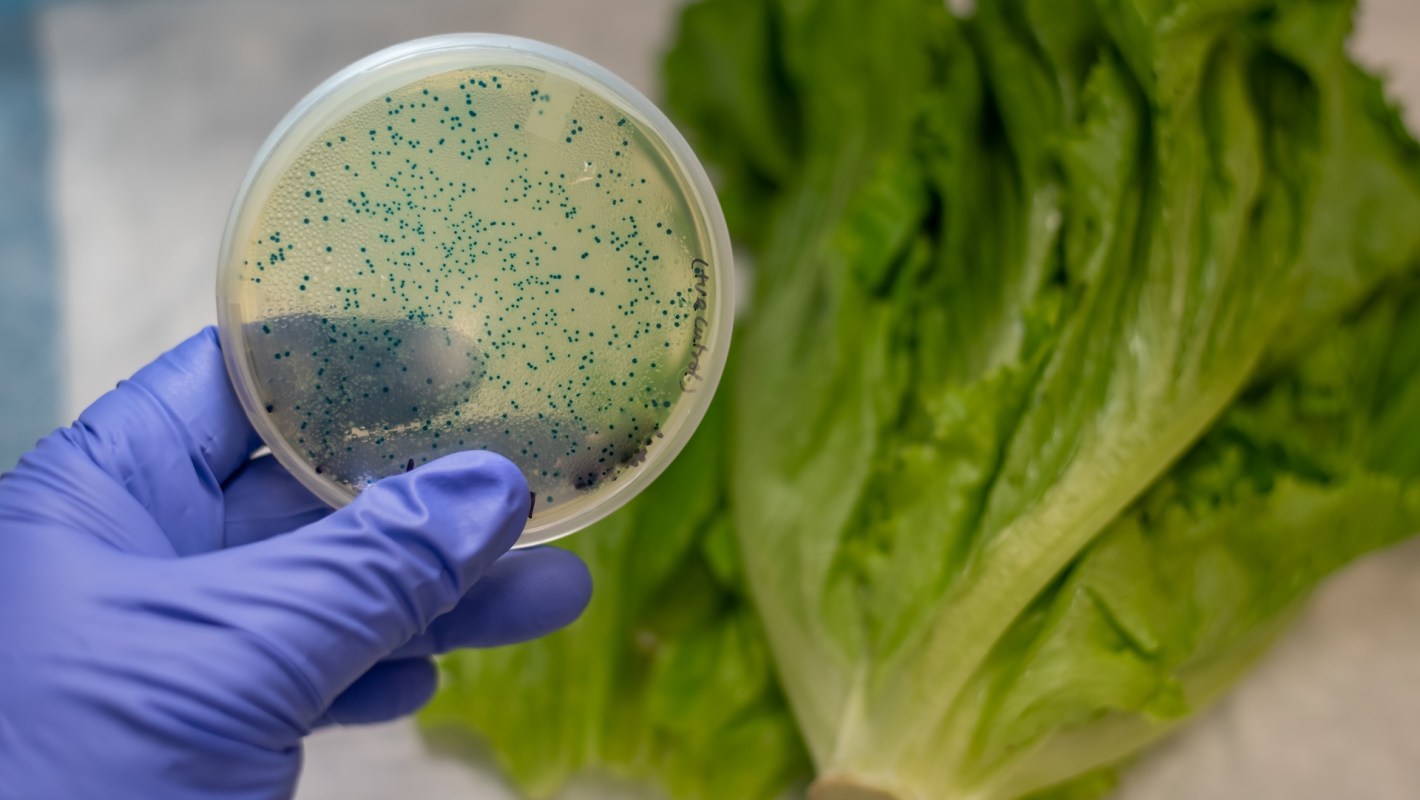
A lettuce-related outbreak that the Centers for Disease Control and Prevention says led to nearly 20,000 laboratory-confirmed illnesses has pushed food safety into the middle of the 2026 midterm campaign.
For many households, the issue now extends beyond grocery prices to the safety of what they bring home.
Here's what to know
According to CBS News, CDC figures show nearly 20,000 lab-confirmed Cyclospora cases linked to lettuce between May and August, up from 1,180 during the same months in 2025. It was described as the largest recorded outbreak of the parasite.
The Trump administration has accused Democrats of using food-safety fears for political gain. Democrats, meanwhile, have cited the outbreak and other recalls as evidence that President Donald Trump's administration has weakened food protections through staffing cuts and reduced public-health oversight.
A Quinnipiac University survey found that most registered voters had little or no confidence in government food-safety oversight. A separate GS1 U.S. poll found that 94% of U.S. adults were worried about how often recalls were happening.
Teresa Murray, consumer watchdog director with the U.S. Public Interest Research Group, said the scale of the illnesses made the threat feel more immediate to the public. "One of the reasons food safety is in the news this year, and people have been rightfully concerned, is the combination of high-profile restaurant names and the absolute colossal number of illnesses. It's thousands of people. It makes it more real," Murray said.
TCD Picks » Quince Spotlight
💡These best-sellers from Quince deliver affordable, sustainable luxury for all




More background
PIRG data showed about 200 food recalls in 2026. Even so, the longer-term trend has moved upward, with 320 recalls in 2025 versus 296 in 2024.
CBS News reported that one contaminated ingredient can trigger multiple recalls across different products. Craig Hedberg, a public health professor at the University of Minnesota, said smaller outbreaks may be getting caught earlier, calling that "an indication we're finding more outbreaks and finding more when they are smaller and limiting the extent to which they can get bigger."
Food recalls also feed into broader concerns about industrial food production and consumer safety. In a highly interconnected supply chain, one failure can spread quickly, especially when ingredients are processed, mixed, shipped long distances, or used in multiple prepared foods.
Survey data from the University of Illinois and Purdue University found that nearly half of consumers changed their grocery choices, while 40% shifted their restaurant purchases because of foodborne illness concerns.
What's being done?
The administration has said its core response systems remain intact. U.S. Department of Health and Human Services spokesperson Grace Davis Jamison said in an email that outbreak investigators from the Food and Drug Administration were not affected by staffing reductions, and she added that the CDC lab supporting foodborne investigations also remained in place.
Jamison wrote: "The Trump Administration has mounted a robust response to each outbreak, working closely with health departments in all 50 states and leading the public health response by promptly identifying known sources and providing Americans with the information they need to protect themselves."
Still, critics argue that other federal actions could make the food system harder to monitor. The administration said it would delay a food traceability rule until July 2028 and withdrew a proposed rule that would have barred the sale of raw turkey and chicken containing high levels of salmonella.
"If you want people to eat real food, fresh fruits and vegetables, they have to be safe," said Sandra Eskin, chief executive at Stop Foodborne Illness. "Instead, we have had farmers plowing under fields because people aren't buying lettuce."
Where can I learn more?
Food-safety worries aren't limited to lettuce. These stories cover major U.S. recalls, contamination alerts at big retailers, and concerns about chemicals tied to food packaging.
• Across the U.S., food recalls surged past 57 million units as allergens and contamination triggered alerts.
• Costco and Publix pulled over 4,000 cases of sauces and salad dressing over contamination concerns.
• Lidl issued an urgent recall after plastic contamination in snack bars raised new consumer safety fears.
• U.S. regulators recalled over 120,000 pounds of pulled pork sandwiches after plastic was found.
• Scientists warned that chemicals commonly found in food packaging have not been fully assessed for safety.

Get TCD's free newsletters for easy tips, smart advice, and a chance to earn $5,000 toward home upgrades. To see more stories like this one, change your Google preferences here.







