


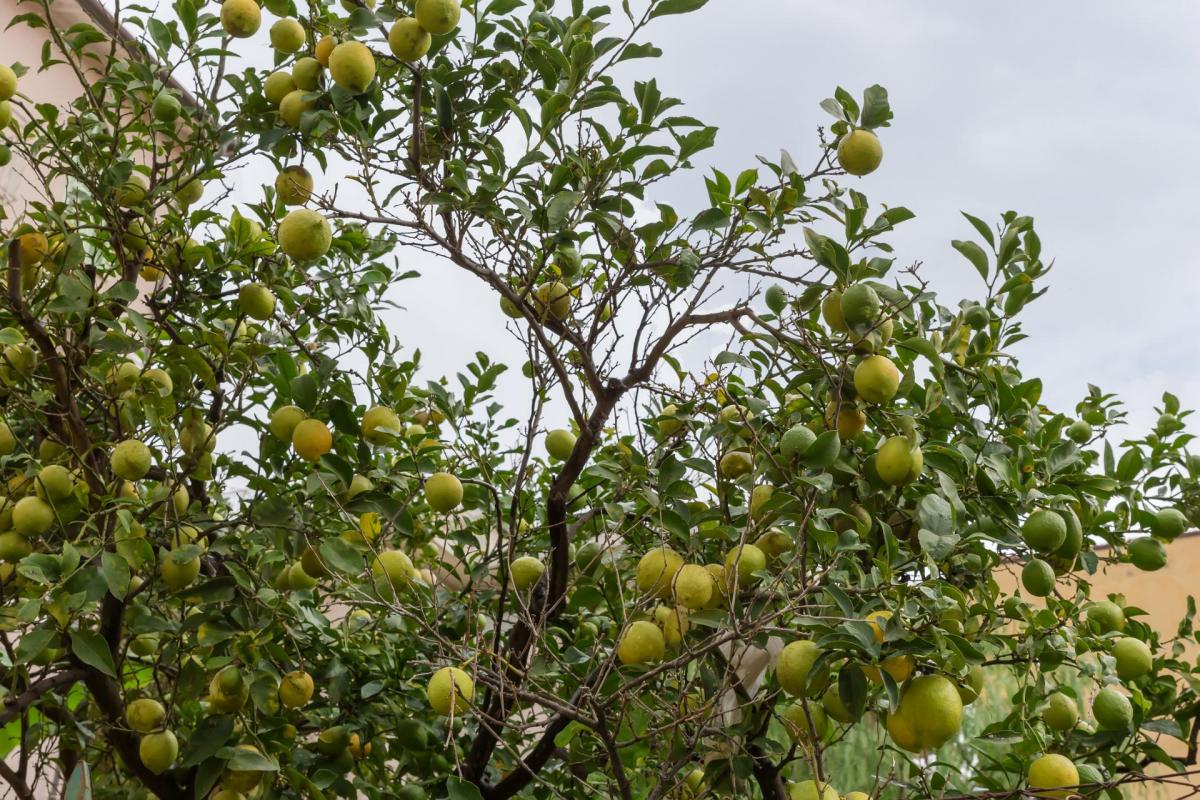
Extreme weather events in some regions are expected to severely impact lemon and lime production in the coming months, forecasters say.
What's happening?
Global fresh lemon and lime production is expected to drop by 700,000 tons for the 2025-2026 marketing year, according to FreshFruitPortal.com. The outlet reported that the projected decline is largely tied to "production setbacks in traditional Mediterranean powerhouses."
In Turkey, for instance, farmers faced severe frost and extreme weather events during critical growing windows, which is projected to slash the country's output by 36%. Meanwhile, the European Union's production is expected to drop by 12%, largely due to erratic weather patterns and pest issues in Spain.
FreshFruit noted that production in a number of countries in the Americas may be on the rise, however. Mexico, for one, is expected to see lime production increase by nearly 3%, and Chile's output is expected to go up by 4.4%.
Why are crop declines concerning?
Lemons and limes are just two crops that have been affected by increasingly volatile weather patterns around the world.
Recent winter storms in Florida, for example, caused billions of dollars in crop damage, including hits to sugarcane and citrus. And severe weather in Malta recently damaged crops, including carrots, strawberries, cabbage, cauliflowers, potatoes, and leafy greens.
TCD Picks » Quince Spotlight
💡These best-sellers from Quince deliver affordable, sustainable luxury for all




When such widespread crop damage occurs, it threatens the livelihoods of farmers while driving up food prices and weakening food security for everyone.
People everywhere are already facing major food inflation, and it's expected to continue.
The United States Department of Agriculture's Economic Research Service predicts that U.S. food inflation will spike by another 3% in 2026. Globally, Iran is expected to see the worst food inflation at nearly 56%, according to Visual Capitalist. Argentina (33.2%) and Turkey (25.1%) rank second and third.
Climate-related issues, geopolitical conflicts, and rising production costs are among the culprits behind global food inflation.
|
Which of these savings plans for rooftop solar panels would be most appealing for you?
Click your choice to see results and earn rewards to spend on home upgrades. |
 Save $1,000 this year 💸
 What's being done about crop damage?
Many producers are already deploying more resilient crops to sustain yields amid extreme weather. And scientists are working on ways to develop even more resilient crops.
One group in Texas is working on drought-proof melons. Another team in Maryland has created heat-tolerant apples.
Ultimately, though, improving agricultural conditions will take addressing the rise in global temperatures. Experts champion the meaningful transition to cleaner, renewable energy sources like solar and wind as a means of mitigating the extreme weather that threatens crops, ecosystems, and human health.

Get TCD's free newsletters for easy tips, smart advice, and a chance to earn $5,000 toward home upgrades. To see more stories like this one, change your Google preferences here.







