What can feel like a fridge full of random extras may actually be the makings of your next meal: chefs say those odds and ends can often turn into stir-fry, soup, muffins, or breakfast, even when it first seems like "there's nothing to eat."
A few simple habits can help turn overlooked leftovers into real savings on your grocery bill and keep good food out of the trash.
What's happening?
As grocery prices remain a concern for many households, more shoppers are looking for ways to stretch what they buy. Chefs say one of the easiest solutions is a mindset shift: Stop seeing leftovers as failure and start seeing them as ingredients.
In a recent NPR report, chef and cookbook co-author Margaret Li said leftovers are easier to use when you approach them with curiosity instead of guilt.
"It ends up being this fun game where you are creating something from what seems like nothing and solving this puzzle, and then you get to eat it," said Li, co-author of "Perfectly Good Food: A Totally Achievable Zero Waste Approach to Home Cooking."
For Tamar Adler, chef and author of "The Everlasting Meal Cookbook: Leftovers A-Z," her approach starts by giving leftovers a destination.
TCD Picks » EDF Spotlight
💡EDF's Vital Signs newsletter delivers stories about game-changing solutions close to home and around the world




A container might be labeled with a plan — such as blueberries saved as "muffins-to-be on Tuesday" — and she also recommends flexible dishes like frittatas and fried rice that can take in nearly anything lingering in the fridge.
Why does it matter?
Food waste remains a major issue. NPR reported that nonprofit ReFED estimates that about one-quarter of food products in the U.S. are thrown away.
Put another way, wasted groceries can take a noticeable bite out of a household budget. Using the report's example, a family spending around $200 each week on food could be losing roughly $50 of that to waste.
There is an environmental benefit, too. Using wilted vegetables, herb stems, extra rice, or leftover chicken means fewer groceries end up in landfills and more of the food you already paid for actually gets eaten.
What can I do?
It can help to rely on a few meal formats that are easy to adapt. Day-old grains work well in fried rice, older produce can be folded into a frittata, and a stir-fry can bring together leafy greens, crunchy vegetables, and a simple sauce.
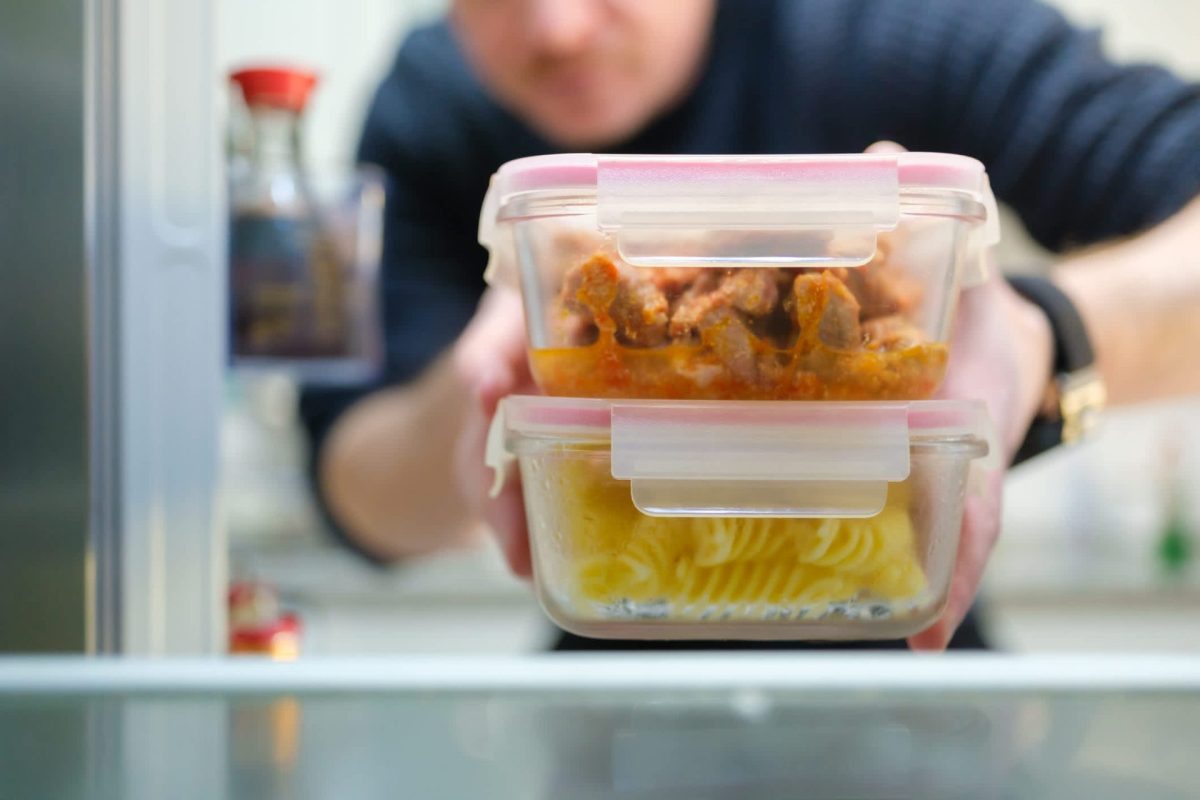
For keeping track of what you have, Li suggests writing the contents and prep date on containers with painter's tape and a marker.
Another useful trick is to set aside an "Eat Me First" zone in the fridge for wrinkly produce or half-used lemons.
If perfection is the goal, the system may be hard to maintain. But if the goal is saving money, reducing waste, and making dinner easier, even a few better leftover nights can pay off.

Get TCD's free newsletters for easy tips, smart advice, and a chance to earn $5,000 toward home upgrades. To see more stories like this one, change your Google preferences here.