


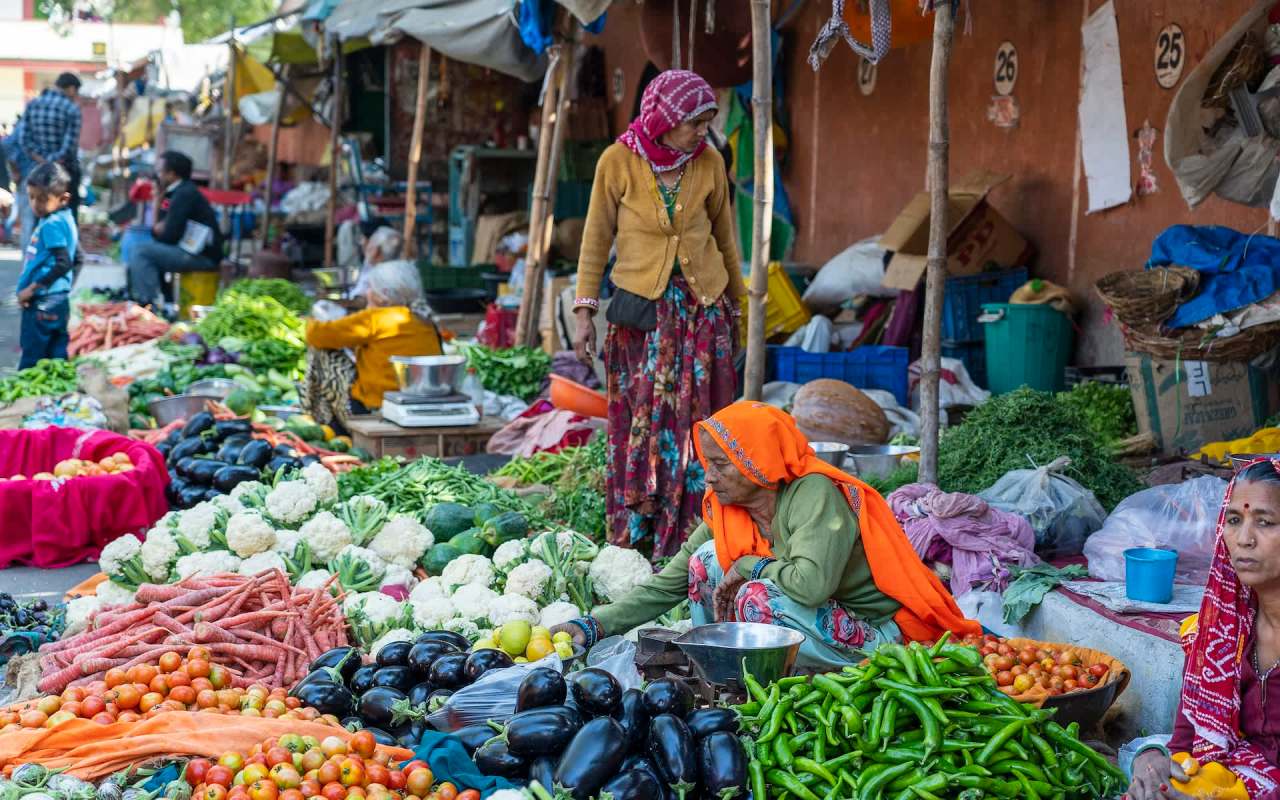
A lack of rain has caused vegetable prices to rise significantly in Telangana, a state situated in the south-central part of India. Essential vegetables like tomatoes, beans, and chilies have been impacted. The rise in prices is hitting everyday households hard, especially low-income and middle-class families.
What's happening?
A severe rainfall deficit has sharply constrained local vegetable production in Telangana, forcing the import of vegetables from other states. The Economic Times reported that vegetable prices have increased by 30 to 50 percent over the past few weeks.
Local vendors are struggling due to decreased sales resulting from price hikes. "The prices have gone up, and the products aren't coming," Sataiah, a local vegetable vendor, told The Economic Times. "If it rains, there will be good production, or else the prices will shoot further."
Why are rising vegetable prices important?
When essential vegetables become unaffordable, the impact on households is immediate and severe. It also disproportionately affects low-income families, forcing them to make difficult decisions between food and other necessities, such as rent and healthcare.
Families ultimately cut back on nutrition, skip fresh vegetables, or reduce portion sizes to stretch their budgets. Vendors also lose sales volume when customers buy less. For many, added rupees, the currency in India, per kilogram, represent a significant burden on already tight shopping lists. In the United States, low-income families spend one-third of their take-home pay on groceries.
What's happening with the climate is making it harder to grow and move food the way we used to, and it shows up on grocery receipts, especially for families already counting every rupee. Decreased rainfall, shifting weather patterns, and unpredictable monsoons are all signals of a warming planet reshaping agriculture.
What's being done about rising vegetable prices?
Rainfall is expected to improve in the coming months, but until then, Telangana consumers will likely continue to see high vegetable prices. As India faces the growing effects of climate change, it's crucial to strengthen farming systems and fix infrastructure deficiencies so communities can better handle unpredictable weather.
If this were your community, what could you do? One way to mitigate the impact of high grocery prices is to grow your own food. Even the smallest home garden can help your budget.
|
What is the biggest reason you don't grow food at home? Click your choice to see results and speak your mind. |
 Not enough time ⏳
Join our free newsletter for easy tips to save more and waste less, and don't miss this cool list of easy ways to help yourself while helping the planet.
Cool Picks




