


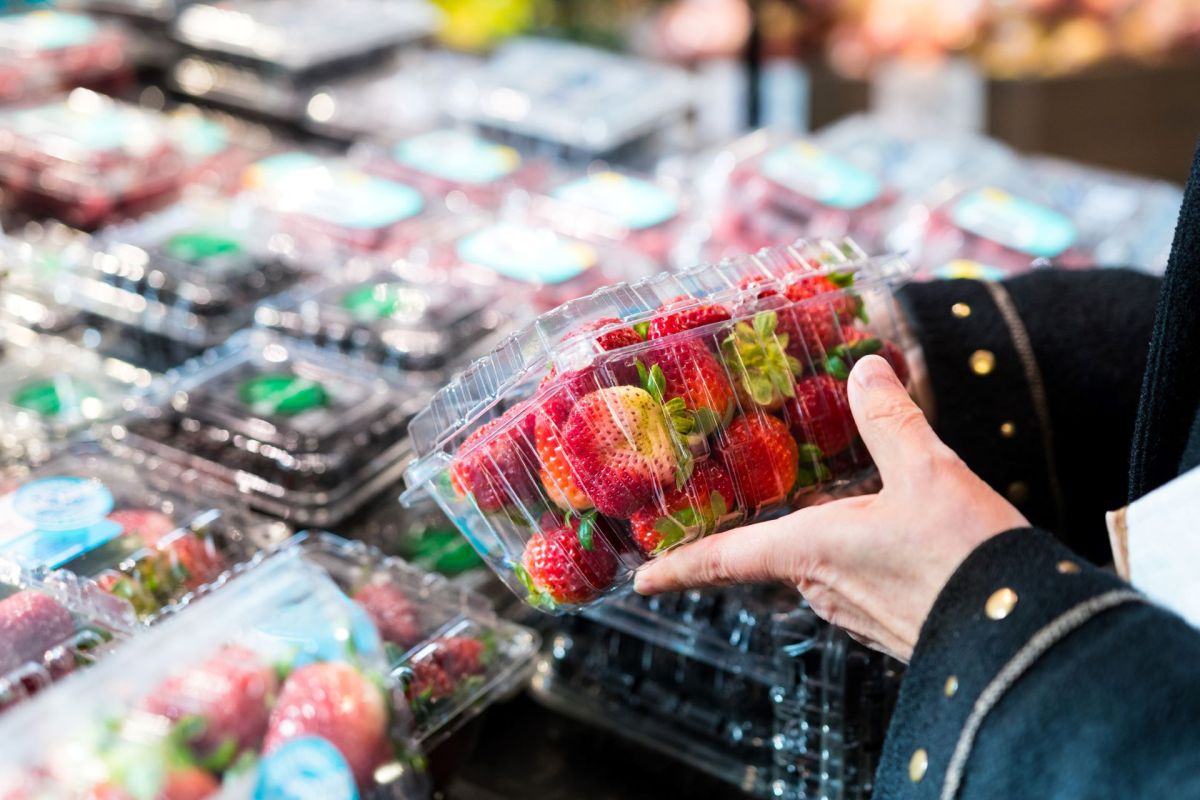
Produce sold by major Australian supermarkets showed illegal pesticide residues in independent testing, and one punnet of strawberries reportedly came in at nearly 10 times the legal limit.
Because the products were ordinary supermarket fruit and vegetables, the results have caused renewed concern about oversight, food testing, and what shoppers may be taking home from the produce section.
Here's what to know
Among the Australian-grown staples examined were apples, avocados, bananas, and broccoli. 7NEWS reported that Pesticide Action Australia had 78 fruits and vegetables from Australia's three biggest supermarkets independently lab-tested, finding 12 samples that contained pesticides that were either banned or above acceptable limits.
Eleanor Davis from Pesticide Action Australia said, "Nearly half of those samples contained at least one PFAS pesticide residue," 7NEWS reported. She added, "And over half of those samples contained a residue of a pesticide that's not approved in the European Union."
Most of the items tested were not flagged, but the results still identified 12 samples that either breached residue rules or contained banned chemicals.
More background
The testing has added fuel to a wider debate over pesticide regulation. According to 7NEWS, Federal Senator David Pocock plans to launch a Senate inquiry into Australia's use of Paraquat, which the source report said is banned in 70 countries.
TCD Picks » Quince Spotlight
💡These best-sellers from Quince deliver affordable, sustainable luxury for all




Pocock told 7NEWS, "Not surprised, really. We are very loose here in Australia with the way that we regulate chemicals." He added, "We have a whole bunch of chemicals that are banned in places like Europe that are still being applied to things that are showing up in the grocery aisle."
Grower groups rejected the broader implications of the findings. AusVeg described locally grown vegetables as among the safest in the world, while Berries Australia said the strawberries' residue did not pose a risk to human health, per 7NEWS.
Consumers are advised to wash fresh produce before eating it.
What's being done?
Pesticide Action Australia said both retailers and regulators should be more transparent. Davis said, "We're asking supermarkets and government to step up, to test more, to publish more."
According to 7NEWS, all three major supermarkets said they uphold the highest food safety standards and conduct their own testing.
If it goes ahead, Pocock's planned Senate inquiry into Paraquat could trigger a more formal review of how Australia regulates chemicals that face tighter restrictions elsewhere.
Pocock said, "I'm pushing for the government, for our regulators to take this more seriously so that Australians can have peace of mind when they're putting food on the table for their kids."
Where can I learn more?
These stories take a closer look at the pesticide concerns tied to produce, regulation, and food safety. They cover contamination findings on fruits and vegetables, the limits of washing, and policy fights over chemical use.
• Consumer Reports found the most harmful pesticides on common produce even after past reforms.
• In the U.K., fruits and vegetables laden with PFAS-linked pesticides raised alarm.
• Officials warned that washing is going to help less than many shoppers assume.
• The Environmental Protection Agency proposed restrictions on toxic pesticide use across fruit crops after health concerns.
• Scientists found alarming rates of pesticide contamination in many popular non-organic baby foods.

Get TCD's free newsletters for easy tips, smart advice, and a chance to earn $5,000 toward home upgrades. To see more stories like this one, change your Google preferences here.







