


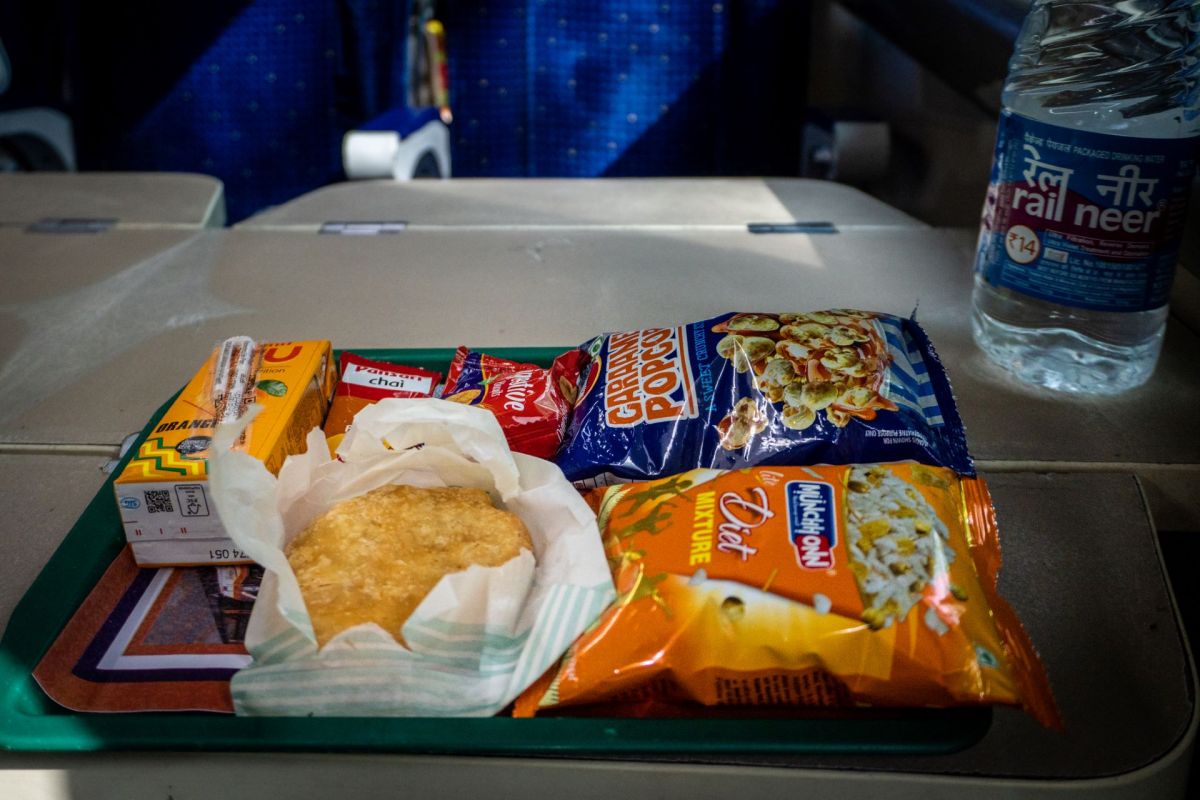
A parent trying to save money and cut down on plastic waste hit an unexpected hurdle when their 3-year-old's school said homemade snacks and drinks weren't allowed.
For families who depend on scratch-made food to manage costs and control ingredients, the rule struck a nerve and quickly sparked backlash online.
Here's what to know
The parent asked Reddit about the situation, explaining they cook everything for their toddler to save money and to avoid plastic waste. But the school cited allergies and tampering as the reasons behind the new rule.
After some parent pushback, the school accepted cut fruits and vegetables as an option but insisted parents send their children with a sippy cup and a pre-packaged drink.
Most commenters took the parents' side, and some focused on the school's reported willingness to make at least a partial exception for cut fruit and vegetables.
For many parents, homemade food is not simply a lifestyle choice. It can stretch a grocery budget, reduce single-use packaging, and tailor meals around allergies, sensitivities, or picky eating.
TCD Picks » Quince Spotlight
💡These best-sellers from Quince deliver affordable, sustainable luxury for all




The drink issue mattered for that last reason too. The original poster said homemade juice is one of the few ways to get certain vegetables into their picky child, writing: "My kid is also picky and juicing a beer is the only way a beet (the root vegetable, autocorrect please stop) will make it to his stomach."
Others in the discussion argued that packaged items aren't automatically better for safety or health. Cost came up repeatedly as well. Commenters said single-serve snacks and drinks can be more expensive than making food at home in bulk, adding pressure for families already trying to stretch their budgets.
What can be done?
One suggestion from commenters was to ask the school to spell out the policy more clearly, including whether it applies the same way to shared classroom food and to a single child's own lunch or snack.
Others said parents could push for a narrower solution that addresses allergy concerns without requiring families to buy more expensive, waste-heavy products. One commenter said it would make sense to ban a specific allergen if needed, but not to require that all food come from a store.
Some commenters also said parents may want to connect with other families, especially if more than one household worries about extra cost, poorer nutrition, or unnecessary packaging waste.
Where can I learn more?
Questions about what kids can bring or eat at school also come up in fights over cafeteria rules, lunch programs, and packaged foods. These stories cover school food restrictions, ingredient bans, kids' lunch kits, and efforts to cut cafeteria waste.
• Kraft Heinz pulled Lunchables from the National School Lunch Program after nutrition concerns.
• In Vermont, lawmakers proposed banning artificial food dyes from items served in school cafeterias.
• Delaware lawmakers moved toward barring Red 40 and other additives from school food.
• Food safety analysts warned that popular kids' lunch kit Lunchly could expose children to too much lead.
• In Athens, Georgia, students pushed for stainless-steel cafeteria trays to reduce waste in their district.

Get TCD's free newsletters for easy tips, smart advice, and a chance to earn $5,000 toward home upgrades. To see more stories like this one, change your Google preferences here.







