


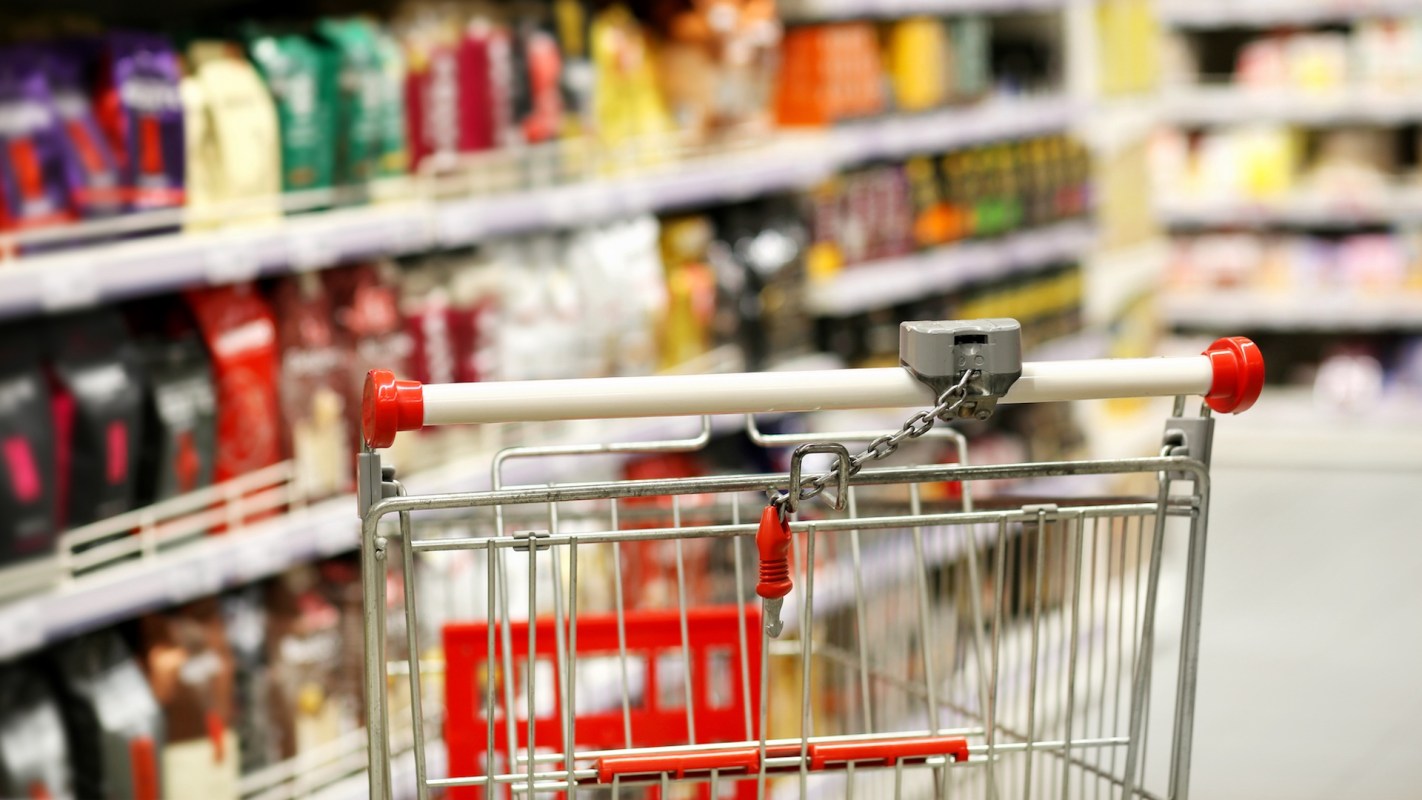
For millions of shoppers, a trip to the grocery store now comes with the all-too-familiar disappointment when prices climb a little more each month.
What's happening?
Analysis of grocery store pricing trends, published by the U.S. Bureau of Labor Statistics, tracked how prices for common food items have changed since the coronavirus pandemic.
While overall inflation has eased somewhat, certain essentials have continued to carry heavier price tags. Staples like beef, eggs, and coffee have seen some of the largest increases, far outpacing overall food inflation.
Even goods that once felt inexpensive, like shelf-stable packaged foods or processed snacks, have kept climbing, reflecting a sustained inflationary shock that households still feel at checkout lanes.
TCD Picks » Martie
💡Martie makes it easy to find quality food at massive discounts while helping to fight food waste





"This long-term increase reflects the sustained inflationary shock that began during the COVID-19 pandemic and continued through global supply chain disruptions, labor shortages, and increased input costs," said product lifecycle management and compliance expert Federico Fontanella in his Traceone blog post.
"While the pace of grocery inflation has eased in recent years, prices remain well above pre-pandemic levels."
Why are food prices important?
When food prices rise faster than wages, it disproportionately affects families on tighter budgets, forcing them to choose between necessities. Higher grocery costs hit especially hard for children, seniors, and people on fixed incomes.
At the same time, the scale of food waste in the United States — about 38% of our food supply per year, per Feeding America — remains a glaring inefficiency in a world where many people struggle to afford healthy meals. As food gets more expensive, it becomes even more disheartening to see so much of it get tossed.
Save $10,000 on solar panels without even sharing your phone number Want to go solar but not sure who to trust? EnergySage has your back with free and transparent quotes from fully vetted providers in your area. To get started, just answer a few questions about your home — no phone number required. Within a day or two, EnergySage will email you the best options for your needs, and their expert advisers can help you compare quotes and pick a winner. Solar panels can save you more than $50k over their 25-year lifespan, and EnergySage can help you save as much as $10k on installation. Which begs the question — isn't that worth an email or two? |

Reducing waste and rethinking how food is handled is essential for addressing both affordability and environmental sustainability.
What's being done about food prices?
There are actionable steps consumers can take to stretch their food budget while reducing waste. Planning meals, properly storing perishable goods, and using leftover ingredients creatively can help households get the most out of every purchase. Buying surplus or overstock groceries at deep discounts is another way to save without skimping on quality.
|
Which of these savings plans for rooftop solar panels would be most appealing for you?
Click your choice to see results and speak your mind. |
 Save $1,000 this year 💸
 For those looking to lower their grocery costs, platforms like Martie offer highly discounted groceries and everyday essentials by taking brands' overstock and surplus inventory and getting it into homes instead of landfills.
On a larger scale, supporting policies that encourage better food system efficiency, reduce waste in the supply chain, and strengthen food access programs can make a difference for communities.

Get TCD's free newsletters for easy tips to save more, waste less, and make smarter choices — and earn up to $5,000 toward clean upgrades in TCD's exclusive Rewards Club.
Cool Picks




