


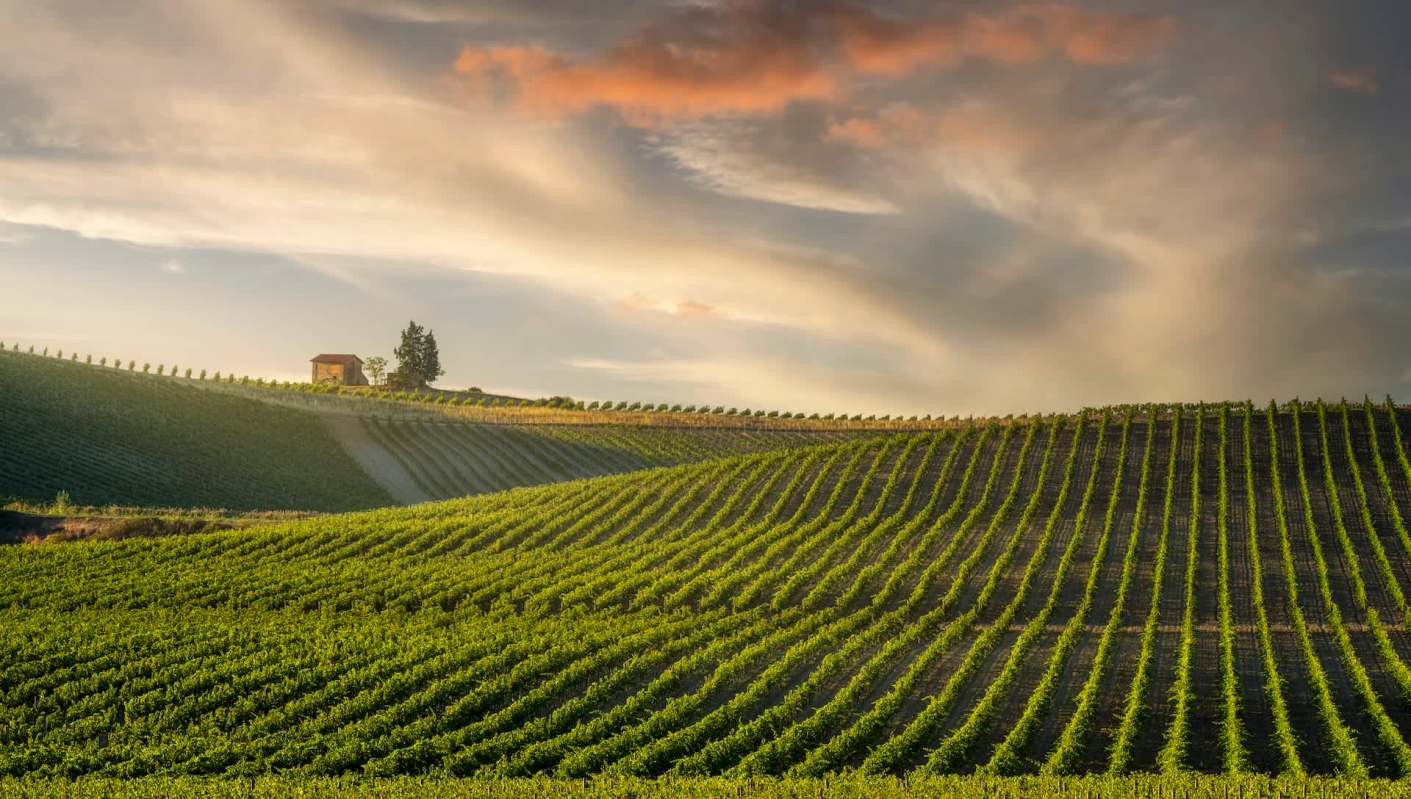
Farmers in India are facing three threats to their grape crops, according to DT Next. The monsoon season in the Theni district was one of the worst in the last 45 years, causing crop damage.
What's happening?
Multiple days of cold weather and rain aren't ideal conditions to grow grapes.
"If the crop is exposed to rainfall for five consecutive days or a week, it suffers damage," DT Next reported from sources.
Additionally, the amount of rain caused a breach in the Mullaiperiyar dam, and water flowed into some of the grape fields.
On top of all this, "bats have caused heavy damage to the grapes," per DT Next.
Why is crop damage concerning?
All of this damage has caused the price of grapes in India to go down. According to the KK Patti Grape Farmers Association president, M. Selvakumar, a kilogram (2.2 pounds) of grapes was worth 70 Indian rupees ($0.79) about two months ago, and now it's down to 40 rupees ($0.45).
He added, "While finer quality grapes, which are fully black in colour, are priced at Rs 40, the other quality, with its skin colour losing its sheen, is sold at prices ranging from Rs 20 to Rs 25."
When crop prices decrease, it can make it challenging for farmers to afford costs, such as equipment, operation, and insurance. It can even affect the food supply chain if they aren't able to continue growing or grow enough.
India isn't the only country experiencing bad weather, causing flooding to damage crops. Last September, Vietnam was hit by Super Typhoon Yagi, bringing 17 inches of rain in 24 hours, and then another big storm just days later. Vegetables, rice, and fruit trees were underwater — 600,000 acres.
While extreme weather events like these were always going to happen, the warming temperatures intensify them.
TCD Picks » Quince Spotlight
💡These best-sellers from Quince deliver affordable, sustainable luxury for all




|
Would you buy juice or yogurt made with bruised or misshapen fruit?
Click your choice to see results and speak your mind. |
 If I couldn't tell the difference 🤔
 What's being done about crop damage?
Dr. Kendal D. Hirschi, a professor at Baylor College of Medicine, and his team accidentally found something that could be a solution for crops surviving floods. While studying modified plants lacking the gene CAX1, they found these plants handled flooding and a lack of oxygen better than typical plants.
After further tests, they discovered that these plants were more flood-tolerant.
Testing is continuing with other types of crops, such as rice and tomatoes. Critical climate issues like flood-tolerant plants warrant further investigation to find solutions to this common agricultural problem.

Get TCD's free newsletters for easy tips to save more, waste less, and make smarter choices — and earn up to $5,000 toward clean upgrades in TCD's exclusive Rewards Club.
Cool Picks




