


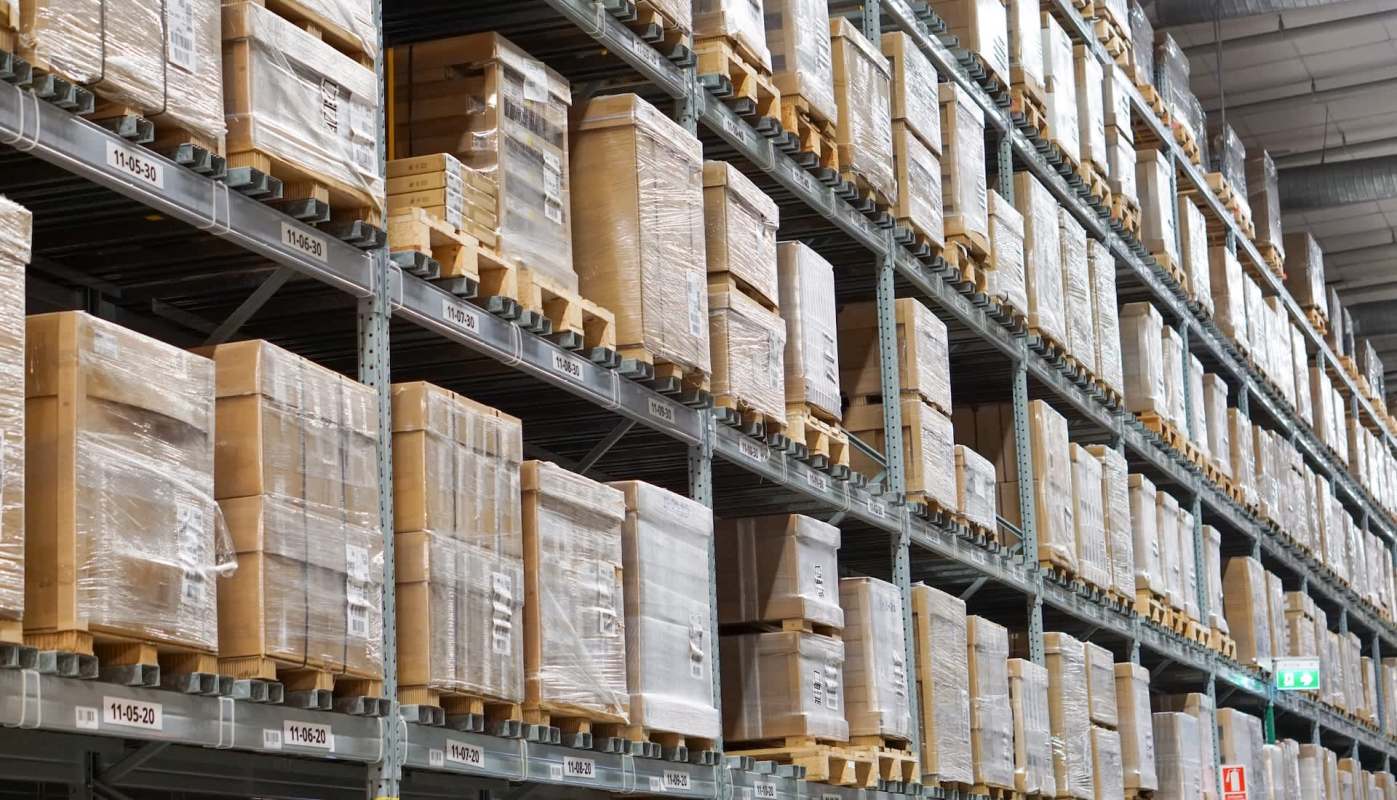
Gold Star, a food distributor, has recalled food, pet, medical, and cosmetic products due to contamination concerns. This is one of several recent food recall concerns, including sauces, salad dressings, and tomato soup.
What's happening?
According to Food Safety News, the Food and Drug Administration found that a Gold Star facility was operating under unsanitary conditions — exposing products to rodent and bird droppings.
As a result, Gold Star issued recalls because of concerns that the items may have been "contaminated with filth and harmful microorganisms," per FSN. The affected products include human and pet foods, medical devices and drugs, and cosmetics.
Most of the products in the recall were distributed to stores in Minnesota and Indiana. Products that were shipped directly to stores by the distributor or manufacturer are in the clear, per FSN.
According to the FDA recall announcement, anyone who purchased the items should destroy them. People concerned about their or their pets' health should contact a medical provider and report adverse reactions to the FDA.
Why are food recalls important?
When these products are exposed to potential contaminants, it poses serious health risks, per FSN. Illness, infections, and even salmonella can happen among people who consume or use affected products.
The FDA uses classes to categorize recalls by health risk. For example, Class 1 is most likely to result in serious adverse consequences or death. In contrast, Classes 2 and 3 are less concerning for most people, according to the Center for Food Safety.
Recalls also lead to food waste, with manufacturers facing an average of $10 million in associated costs, according to the Food Revolution Network. Where does all that food go? Likely in a landfill, where it releases pollution as it breaks down and contributes to the growing food waste problem.
However, the number of food recalls in the U.S. raises concerns about lax safety precautions and weak oversight. These issues can cause consumers to distrust brands, making it difficult to find products they feel they can rely on, SafetyCulture reported.
What's being done to improve food safety?
Food safety is a huge undertaking that requires government agencies, farms, and other companies to work together. With so many moving parts, the FDA has created guidelines to help regulate food safety.
TCD Picks » Quince Spotlight
💡These best-sellers from Quince deliver affordable, sustainable luxury for all




For example, the agency recently called on the food industry to enhance public access to relevant recall information and improve transparency.
In addition, the U.S. Department of Agriculture Food Safety and Inspection Service provides food safety resources for everyday consumers, including food handling and preparation guidelines and current recalls.
|
Do you worry about having toxic forever chemicals in your home?
Click your choice to see results and speak your mind. |
 Majorly 😥
Get TCD's free newsletters for easy tips to save more, waste less, and make smarter choices — and earn up to $5,000 toward clean upgrades in TCD's exclusive Rewards Club.
Cool Picks




