


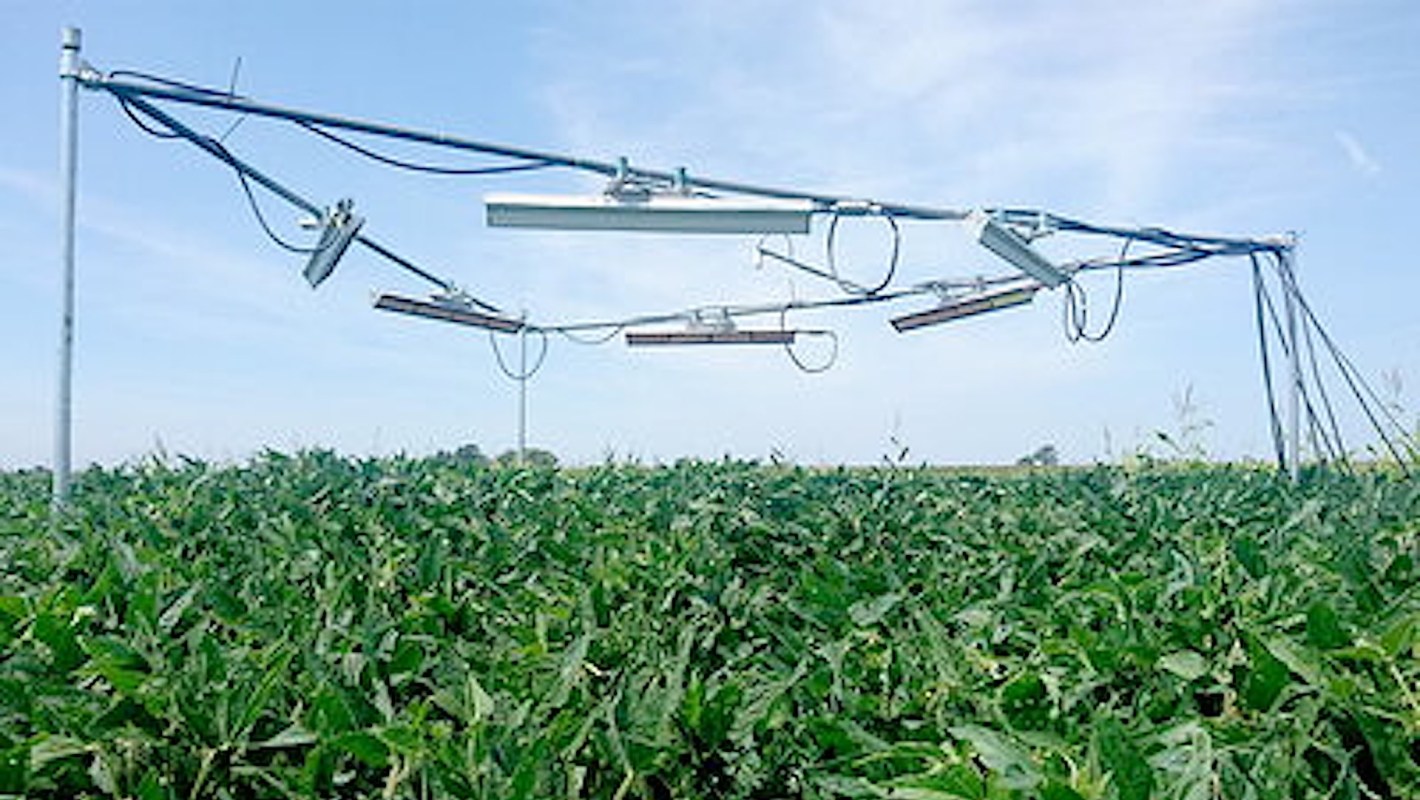
Genetic tinkering could be our best bet to maintain global food supplies as our overheating planet threatens crop production, according to experts interviewed by The New York Times.
At issue are heat records that continue to be shattered around the world. While NASA has reported that the 100-degree-plus temperatures may soon make some places unlivable, hotter "breadbasket regions" are facing problems as well. Photosynthesis, the core energy-generating process for plants, stops between 104 to 113 degrees, per the Times report.
"Photosynthesis really dictates the currency plants have to use. If photosynthesis falters, plants run out of energy and die," University of Illinois, Urbana-Champaign, crop researcher Carl Bernacchi said in the story.
As a result, harvests of key crops such as wheat, maize, and barley are 10%, 4%, and 13% lower, respectively, "than they would have otherwise been," according to research by Stanford experts. That's particularly troubling because about one in 11 people worldwide, or 733 million, "faced hunger" in 2023, per the World Health Organization.
Genetic modification could help make sure staple crops can withstand increasingly brutal conditions. It's a step beyond selective crossbreeding, the experts said.
"There's a lot of excitement in identifying why it is that some crops that are grown in the most extreme conditions are able to survive," Bernacchi told the Times.
GMO foods started becoming prevalent and regulated in the 1990s. Vetted varieties are considered safe to eat, according to the Food and Drug Administration.
An example is the enzymes RuBisCO and RuBisCO activase. The former changes carbon into sugar during photosynthesis. The latter helps RuBisCO work better in hot climates, so experts think that adding it to cool-climate plants can help them grow as the temperature trends upward. Even leaf structure and spacing could be edited to better balance sunlight exposure and temperature, all per NYT.
"We could develop designer crops tailored to future climates," geneticist Suresh Balasubramanian, the study lead from Monash University in Australia, told the newspaper.
Some of those intricate edits are years from being developed, the experts added in the report. But others are common. University of Maryland researchers tinkered with apple genetics to create heat-resistant varieties. The FDA noted that insect-resistant corn, developed to reduce potentially harmful pesticide use, is an example of the science at work. A gene in soil bacteria is a known insecticide, so scientists copied it and put it into corn DNA. The changes don't impact other typical traits, including tasting good with butter, salt, and pepper.
TCD Picks » Quince Spotlight
💡These best-sellers from Quince deliver affordable, sustainable luxury for all




|
What is the biggest reason you don't grow food at home? Click your choice to see results and speak your mind. |
 Not enough time ⏳
 The corn and other GMO foods are rigorously tested through "in-depth reviews" before they are on the market, according to the government.
Crops aren't the only thing wilting as the planet warms with continued fossil fuel use. Farm labor production could drop because of sweltering conditions and limit crop yields even more, according to a study that included multiple universities.
Experimenting with plants in a backyard garden is a hobby available to almost anyone. While it doesn't include gene splicing, picking a tasty variety of produce to grow is a rewarding summer hack that can slash your grocery bill. A $70 investment could provide you with $600 worth of produce.
Composting your meal-prep scraps can bank even more savings by making a free, nutrient-rich soil without costly fertilizers. The practice also prevents the would-be trash from heading to the landfill, where it produces potent heat-trapping methane, according to the U.S. Environmental Protection Agency.

Join our free newsletter for easy tips to save more and waste less, and don't miss this cool list of easy ways to help yourself while helping the planet.
Cool Picks




