


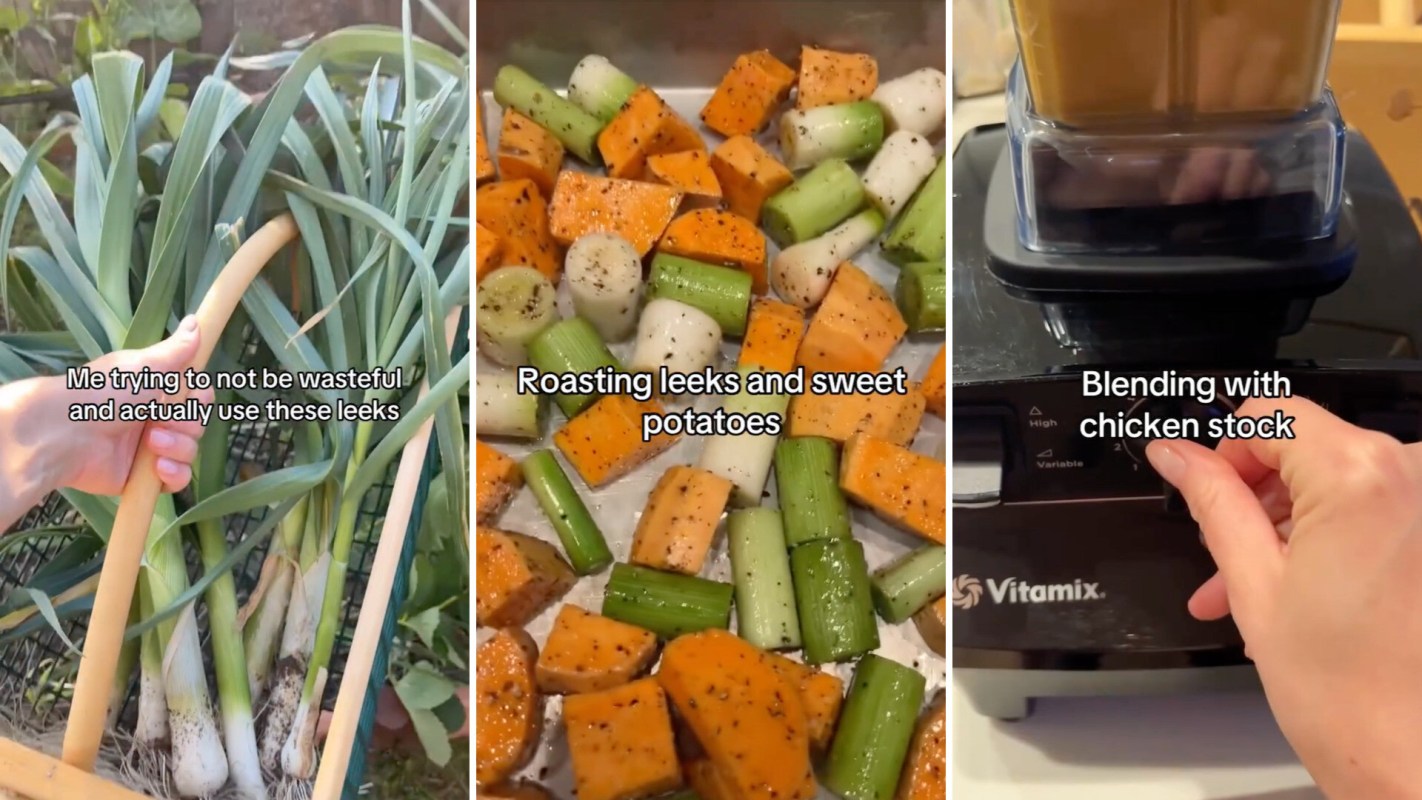
An Oklahoma backyard gardener is demonstrating how a patiently grown vegetable can become a nearly no-waste dish, including the parts many people might usually throw away.
What happened?
In an Instagram post, gardener Janelle (@growingokgarden) shared a reel of homegrown leeks being made into soup, with the green tops first simmered in broth before the mixture was blended.
The post highlights a simple garden-to-table hack: using nearly the entire leek rather than just the pale stalk.
The caption framed the soup as part of the gardener's effort to waste less from the garden: "On my journey to not be wasteful with the things I grow!"
The gardener also said the leaves were simmered in the broth before blending "to try to get the most out of them."
The method turns a crop that took months to mature into a more substantial meal.
TCD Picks » Quince Spotlight
💡These best-sellers from Quince deliver affordable, sustainable luxury for all




The gardener said the leeks had been growing since the previous fall — "These leeks were planted last fall and took a looong time to size up" — and added that they enjoy "watching the growth of a vegetable over a long time."
Why does it matter?
This kind of kitchen habit can help stretch grocery budgets, especially when produce prices are high.
Leeks are often used only for their white and light green sections, but simmering the darker leaves into broth can draw more flavor and value from a single plant or a store-bought bunch.
If the leafy tops form the base of a soup, cooks may be able to use less packaged broth or fewer extra aromatics, potentially reducing food waste.
When something takes a full season to grow, there is often a stronger incentive to use every edible bit.
What can I do?
If you buy or grow leeks, the dark green tops can still be used.
After washing them well, you can simmer them in broth for soups, stews, and stocks, then blend or strain depending on the texture you want. It is a practical way to get more out of a single ingredient.
The same thinking applies to other vegetables. Carrot tops, herb stems, celery leaves, and onion scraps can all help build flavor instead of heading straight for the trash.

Get TCD's free newsletters for easy tips, smart advice, and a chance to earn $5,000 toward home upgrades. To see more stories like this one, change your Google preferences here.







