


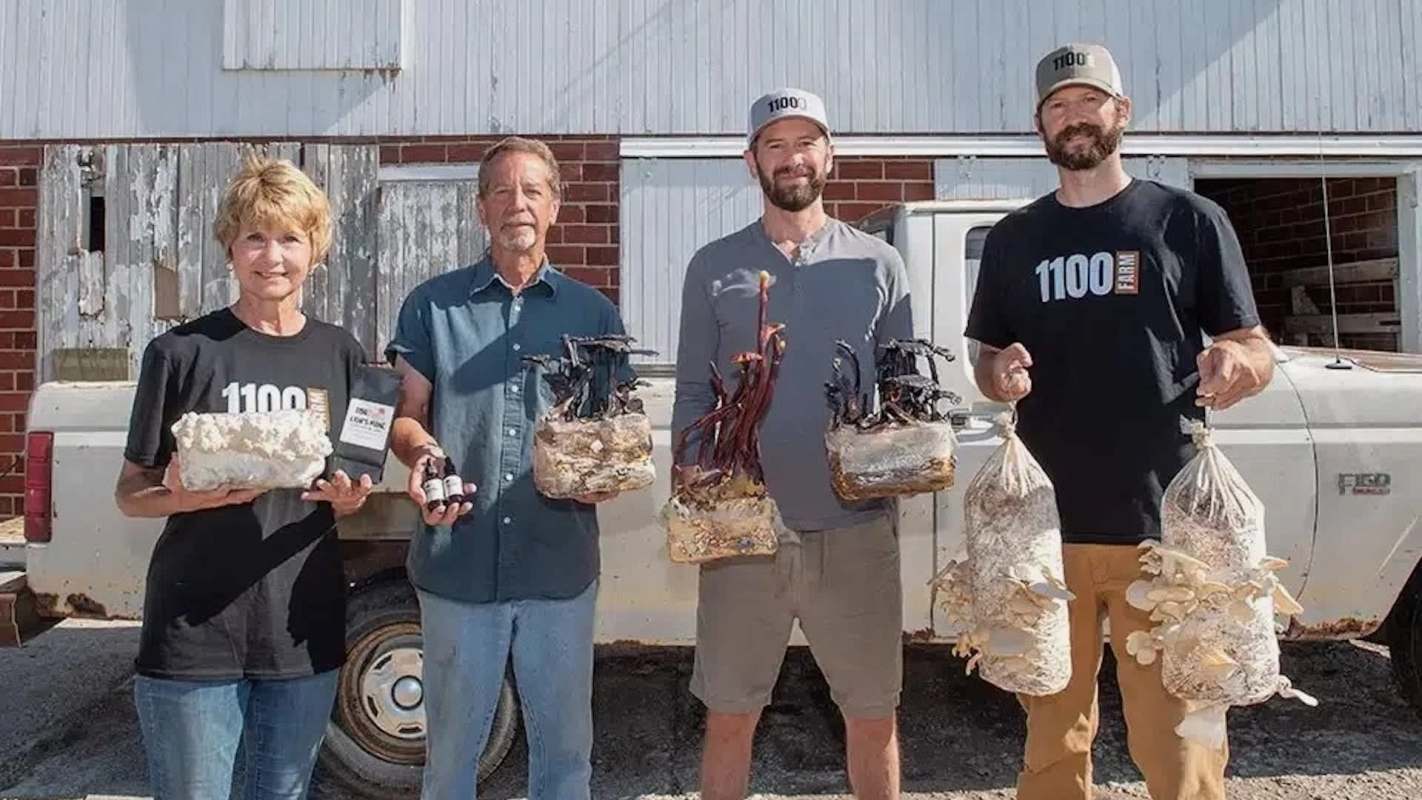
A central Iowa family has repurposed part of the farm where it once raised thousands of hogs into a mushroom operation — a change that could point to a cleaner, quieter, and possibly more profitable model for rural communities.
Here's what to know
With help from The Transfarmation Project — an initiative of Mercy for Animals — the Faaborg family turned half of a 200-foot former hog barn at 1100 Farm into a controlled fruiting room for specialty mushrooms such as lion's mane, NPR reported.
Rather than using the space for industrial livestock, the family now sells mushrooms through products including tinctures, coffee blends, and flavored salt, building a business around items consumers can easily use in daily life.
For Katherine Jernigan, director of The Transfarmation Project, that reuse is central to the idea. "We're finding ways to repurpose the infrastructure that the farmers already have," she said.
The site also serves as Transfarmation's second demonstration hub in the United States, so farmers interested in similar transitions can visit, ask questions, and look over practical data on labor, costs, and margins before deciding whether to pursue their own conversion.
More background
Iowa has experienced major growth in concentrated animal feeding operations, or CAFOs. NPR, citing an Environmental Working Group analysis, reported that the number of large CAFOs in the state rose from 789 in 1990 to 4,444 by 2025.
TCD Picks » Quince Spotlight
💡These best-sellers from Quince deliver affordable, sustainable luxury for all




Tyler Faaborg, who spent 25 years in the hog industry, said the work paid well but took a physical toll, and that his brother, Tanner Faaborg, urged him to consider a different path.
"I had a good job. I got paid well," he said. "But I did it for 25 years. It's really hard on your body, and Tanner just kept talking to me about it."
Rand Faaborg said hog production had once been "very profitable" before it became harder on both his body and his finances.
Before the switch, the farm produced about 8,000 hogs each year and generated nearly a million gallons of liquid manure that had to be stored and hauled away. The Environmental Protection Agency says waste at that scale can add to methane pollution and contaminate water.
What's being done?
The transition unfolded over several years. NPR reported that the family began working with Transfarmation in 2021, left hog production in 2022, and received a $15,000 grant in 2023 for a yearlong mushroom pilot. The farm is also set to receive $216,000 over four years to document the process and share what it learns with other farmers.
The changes at the farm go beyond mushroom production. The former manure pit has been remade into a freshwater pond, native grasses and flowers have been planted, and hundreds of trees and shrubs are being added along a creek to support water quality and wildlife habitat.
Rand Faaborg summed up one of the biggest changes this way: "That part of my life is gone and in exchange is just this little pond. My grandkids catch frogs. That's probably been my favorite part of it all."
Where can I learn more?
For more examples of what farm transitions can look like, these stories explore similar shifts away from conventional agriculture.
• Former poultry farmers are turning to vegetable farming to build healthier food businesses.
• In Atlanta, community leaders transformed an old farm into a free public food forest.
• On working farmland, solar panels are transforming food production while crops keep growing.

Get TCD's free newsletters for easy tips, smart advice, and a chance to earn $5,000 toward home upgrades. To see more stories like this one, change your Google preferences here.







