


Just when it seemed like pesticides couldn't get any more toxic, a new "forever chemical" seems poised to be approved for use in them.
What's happening?
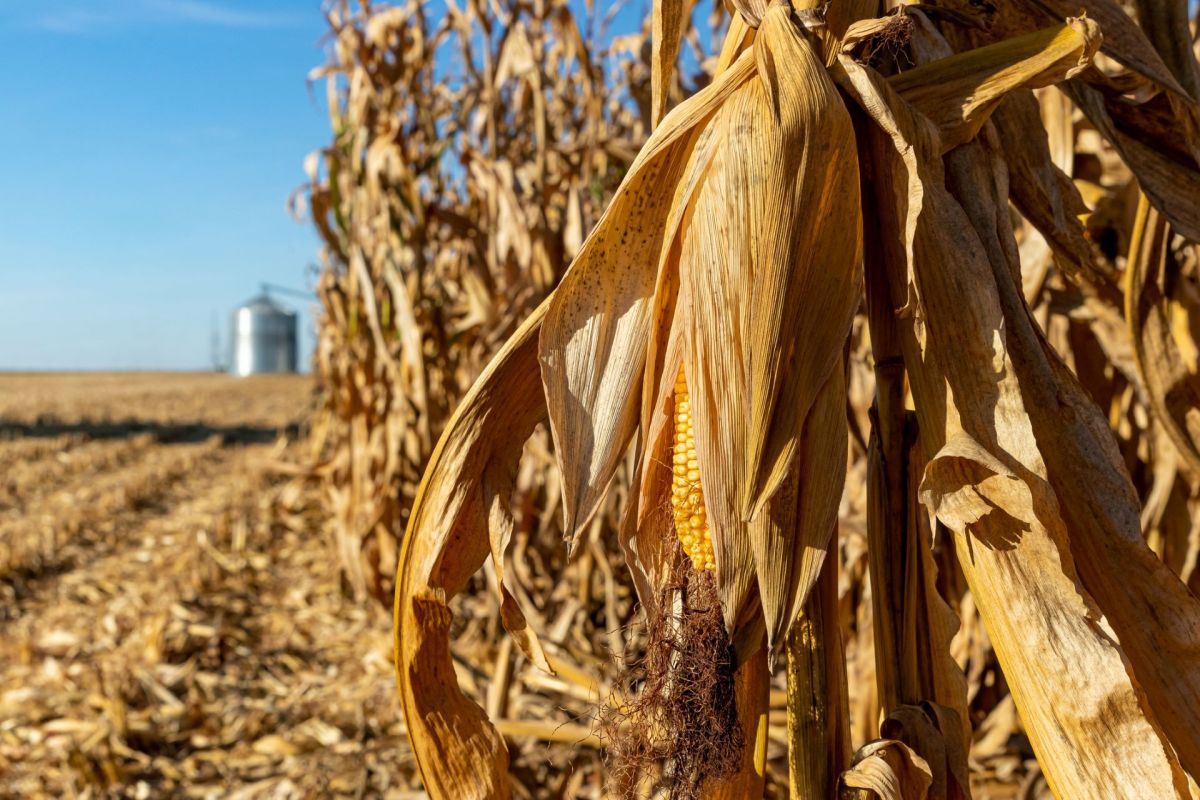
As The Guardian reported, the Environmental Protection Agency recommended that a new PFAS — which are known as forever chemicals because they do not break down naturally — be approved for use in pesticides, meaning it would be sprayed on crops including corn, soybeans, and wheat across the United States.
This would be the fifth PFAS approved for such a use since President Donald Trump took office for his second term in January.
Critics say introducing more forever chemicals to food and water supplies puts public health at risk. They also questioned the timing of this approval, noting it came when funding for government-sponsored food assistance programs had been cut.
"Yet somehow the pesticides office is operating at full force," Nathan Donley, environmental health science director at the Center for Biological Diversity, told The Guardian. "That shows you where the priorities are."
EPA press secretary Brigit Hirsch said in a statement that trifluoroacetic acid — the PFAS in question that breaks down from the pesticide epyrifenacil — has been reviewed and is less toxic than other forever chemicals.
Why are forever chemicals important?
Perfluoroalkyl and polyfluoroalkyl substances, or PFAS, are known as forever chemicals because they are highly toxic and can remain in the environment for thousands of years. They have also been linked to higher rates of cancer, birth defects, and other health problems.
PFAS have been around for nearly a century, dating to before the creation of the nonstick coating Teflon. Since then, they have been used in many everyday products, including cosmetics, cookware, and clothes.
Their prevalence has led to PFAS being found in concerning places across the planet, such as oceans, food, and even human blood.
What can I do about this?
Avoiding PFAS is difficult, but it is possible to lower your exposure by making smart choices.
TCD Picks » Quince Spotlight
💡These best-sellers from Quince deliver affordable, sustainable luxury for all




Bring your own to-go containers to restaurants, and don't reheat your takeout in its plastic packaging, which can leach forever chemicals into your food. Dodge nonstick cookware and stain-resistant clothing and choose clean cosmetics.
Curbing your use of toxic pesticides is also vital. By keeping your yard full of native plants and natural pest repellants such as basil, you can keep unwanted visitors out of your yard without damaging your health or the environment.
|
Do you worry about having toxic forever chemicals in your home?
Click your choice to see results and speak your mind. |
 Majorly 😥
💰Get TCD's free newsletters for easy tips to save more, waste less, and make smarter choices — and earn up to $5,000 toward clean upgrades in TCD's exclusive Rewards Club.
Cool Picks




