


A striking new data visualization circulating online is prompting people to rethink what a food shortage really looks like.
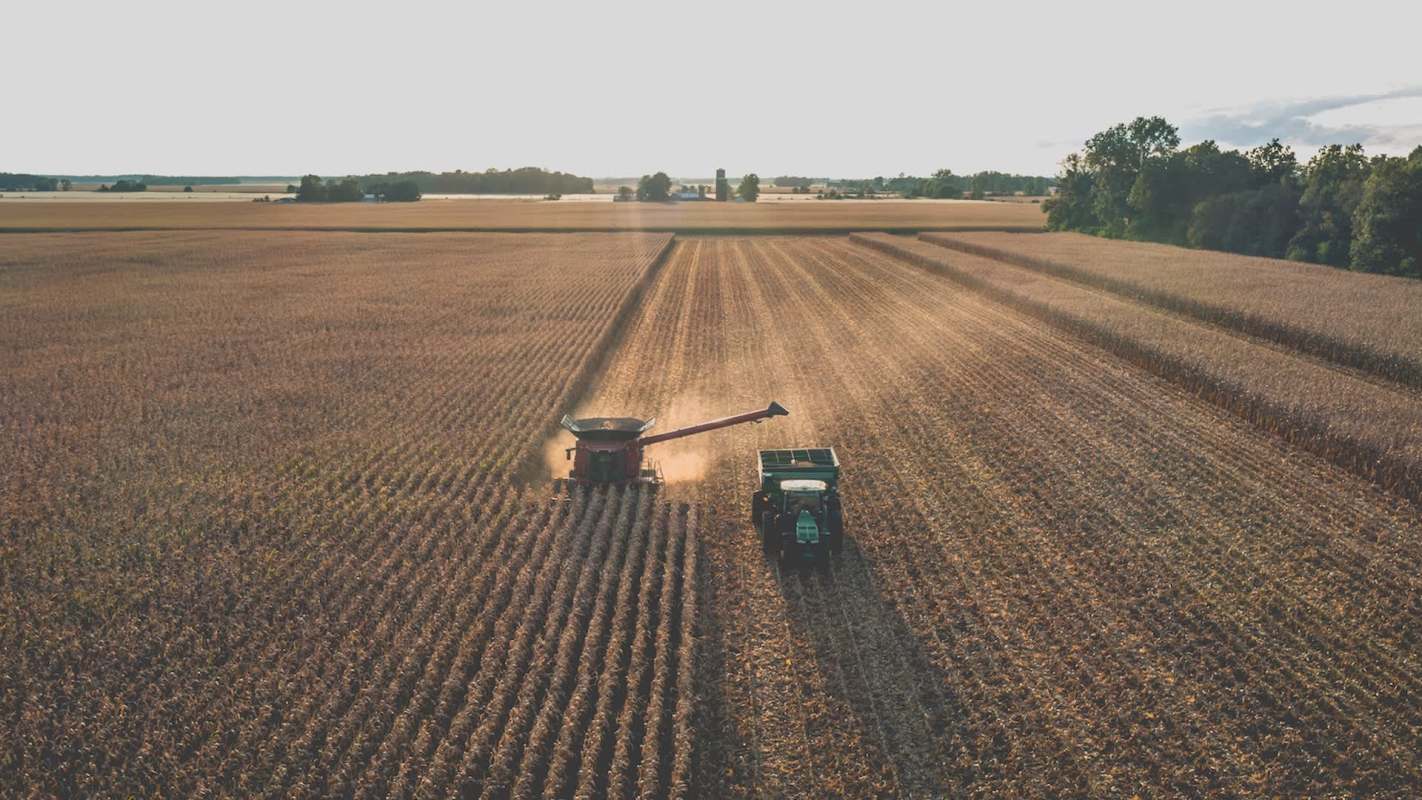
Project Drawdown researchers say current cropland output contains enough calories for 14.5 billion people.
The catch is that just about 50% of cropland calories are actually available as food.
Their analysis breaks down where the world's crop calories really go.
Out of each 100 cropland calories produced, 45 go straight to people, 40 go to animal feed, and 15 are steered to nonfood uses like biofuels.
Even though 40% go to animals, just 5% of cropland calories come back as meat, dairy, and eggs.
TCD Picks » Quince Spotlight
💡These best-sellers from Quince deliver affordable, sustainable luxury for all




Beef stood out as the biggest outlier. Researchers said it can take 33 calories of feed to produce just one calorie of beef.
Food, agriculture, and land use account for roughly one-third of global emissions. When large amounts of crop calories are lost through inefficient meat production, biofuels, and food waste, the environmental consequences add up quickly, from deforestation and fertilizer use to methane emissions.
A more efficient food system could mean more affordable food, less strain on land and water, and healthier meal options for families.
Researchers estimated that if food-secure, higher-income countries cut beef consumption to Planetary Health Diet levels and replaced the excess with chicken, the shift would free up enough calories for 850 million people.
If that meat were replaced with lentils instead, the total could climb to 1.2 billion people.
The researchers described dietary shifts and food waste reductions as potent yet underutilized climate solutions, arguing that relatively small changes in a few key areas could have an outsized global impact.
To help combat food waste, scientists all over the world have been working on ways to turn uneaten food into a positive. Some options include using food scraps in agriculture to cut down on the need for pesticides and finding ways to use discarded food for industrial applications.

Get TCD's free newsletters for easy tips, smart advice, and a chance to earn $5,000 toward home upgrades. To see more stories like this one, change your Google preferences here.







