


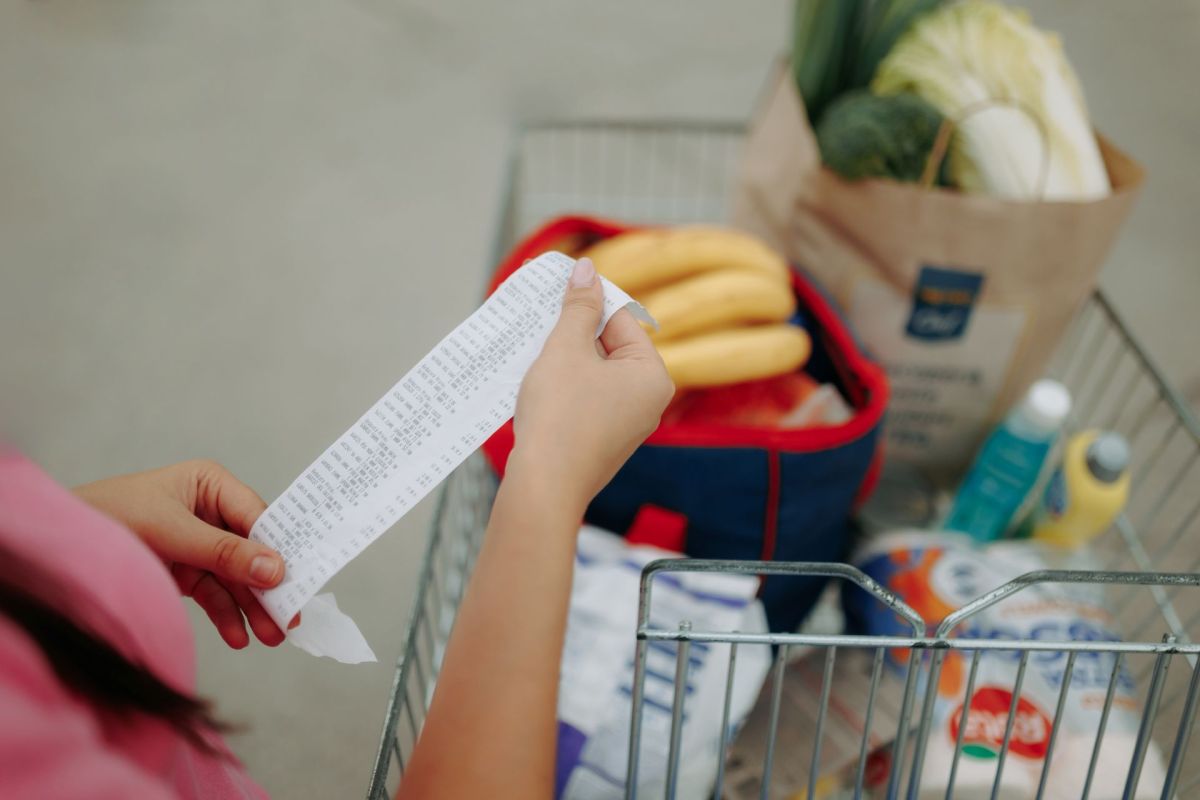
New data on inflation in the United Kingdom revealed that prices for food and nonalcoholic beverages have risen by an average of 4.9% over the past year.
What's happening?
The BBC reported that the Office for National Statistics' data from the past five years indicated that food and drink prices have risen by 37%. That's significantly higher than the total for the previous five-year span of about 4.4%.
Unfortunately, there are several reasons why prices have continued to increase. Some of the most significant factors include the increase in temperature and the occurrence of severe weather events.
The BBC report explained that drought has caused lower crop yields in the U.K., while extreme weather in other countries has increased prices on imported items, such as coffee and cocoa.
Plus, many food staples have already experienced price increases because of weather concerns and extreme heat, including wheat, olive oil, hazelnuts, and oranges.
When talking about the continued rise in inflation, farmer Lewis Clare told the BBC: "I hate to say I think it's going to go up even more. … It's been incredibly dry; the crops and yields have been terrible."
According to a graph from the Office for National Statistics shared by the BBC, some of the highest price increases in 2025 were observed in meat, coffee, chocolate, and juices.
Why is the continued rise in inflation significant?
When issues like severe weather events and rising temperatures lead to increased food prices, everyone pays more.
People from all socioeconomic backgrounds will feel the squeeze, but lower-income families will be hard-hit. The BBC explained that since lower-income families often spend a significant portion of their budget on food, higher prices can force them to be even more conscious of their purchases.
However, Danni Hewson, the head of financial analysis at AJ Bell, explained to the BBC that inflation will cause everyone, regardless of their income, to ask themselves "how far their money will stretch."
TCD Picks » Quince Spotlight
💡These best-sellers from Quince deliver affordable, sustainable luxury for all




|
How often do you worry about your energy bills? Click your choice to see results and speak your mind. |
 Every day 😥
 A Rocket Money article explained that price hikes force consumers to spend more on necessities, such as food, resulting in a higher cost of living.
What's being done to alleviate inflation?
With the Bank of England estimating that food inflation will peak at 5.5% by the end of the year, per the BBC, there's still a lot of work to be done to curb its impact.
On a broad scale, government policies play a significant role in combating inflation. For example, the U.S. Federal Reserve could cut interest rates or local governments could promote pollution-curbing measures.
That said, everyday actions can also help reduce the negative impact of inflation on your wallet.
First Alliance Credit Union recommends buying smarter at the grocery store with comparison shopping, which involves viewing prices from multiple retailers to find the best deal. Additionally, try buying nonperishable items in bulk.
Another thing to consider is where you shop. Fulton Bank suggests looking for nonfood items secondhand or opting for durability if buying something new. Learning how to conserve energy in the home can also help you stretch your dollar further.

Join our free newsletter for easy tips to save more and waste less, and don't miss this cool list of easy ways to help yourself while helping the planet.
Cool Picks




