


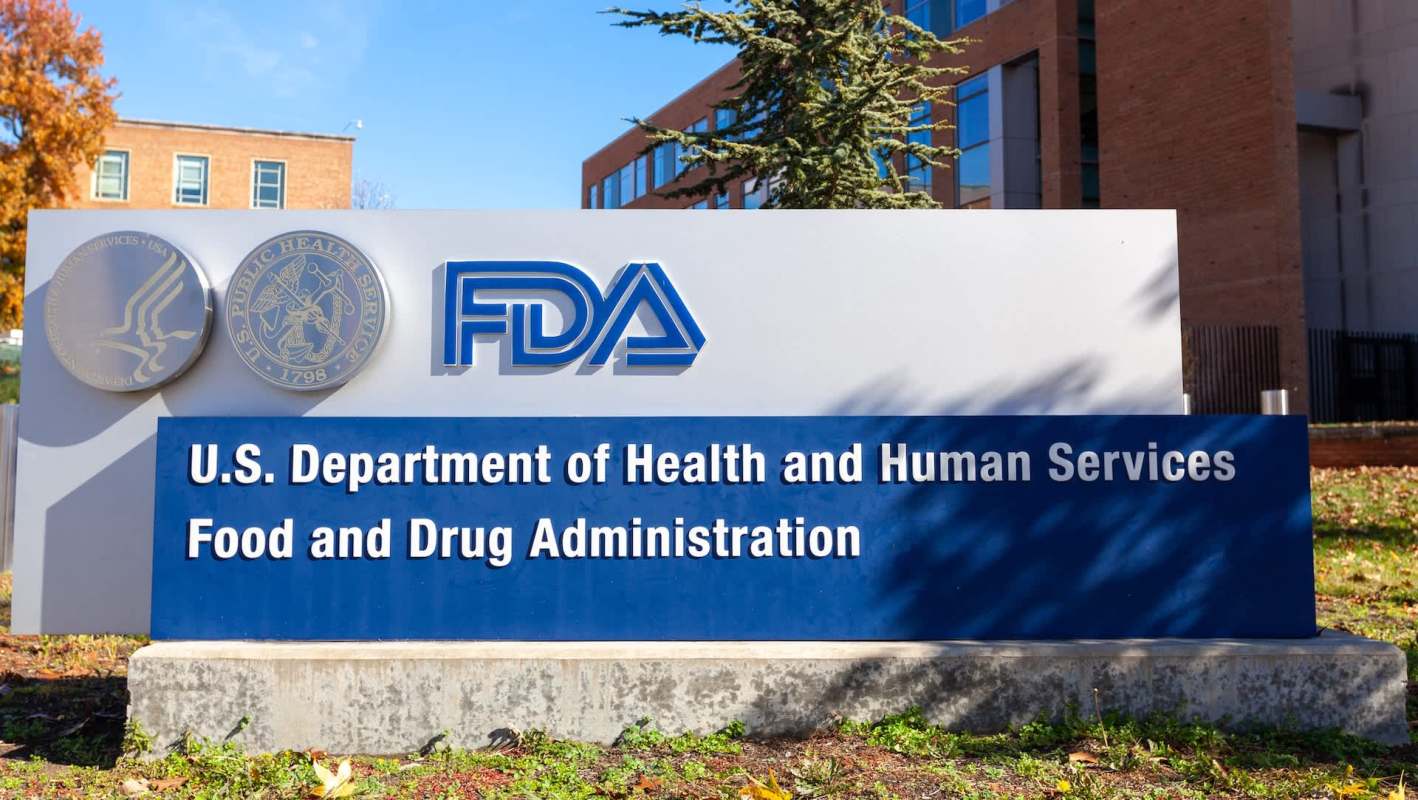
As they refined an ingredient review process for the U.S. Food and Drug Administration, it made sense to regulators to skip unnecessary testing for ingredients already "generally recognized as safe" or safe for their intended use.
But new analysis conducted by the Environmental Working Group suggests some manufacturers may have been treating the GRAS designation as something of a loophole, with an FDA review having been skipped for more than 100 ingredients now often included in foods, drinks, and supplements, the Guardian reported.
What's happening?
The GRAS exception was established in 1958 and is intended for ingredients such as salt and white vinegar — items whose long history of use in cooking for human consumption makes it extremely unlikely that they may cause unknown health hazards.
But some companies may have stretched the definition of what falls under the GRAS umbrella.
For example, according to the Guardian, tara flour has been linked to hundreds of illnesses and hospitalizations but was designated as GRAS in 2022.
Not unrelatedly, a range of synthetic food dyes — derived from chemical sources such as petroleum — have been permitted in food by the FDA as safe for their intended use, despite their links to multiple health concerns and the fact that they have been banned in some jurisdictions. The FDA banned Red 3 last year, effective in January 2027, with a more vaguely defined phase-out process planned for the other six major food dyes through more voluntary commitments.
EWG's report, which discovered 111 items lacking a safety review, is "a wake-up call for every American who assumes the FDA is reviewing the safety of chemicals in their food," co-author Melanie Benesh, EWG's vice president for government affairs, told the Guardian.
"Food and chemical companies are exploiting a loophole to keep both the government and the public in the dark," Benesh added.
Why is this concerning?
As EWG's analysis revealed, making products available for human consumption without adequate testing is associated with severe and sometimes fatal health consequences. For example, the report cited the use of caffeine in alcoholic beverages, which has been banned after multiple injuries and a death.
Unfortunately, without adequate regulation, some companies have demonstrated they may not effectively evaluate their own products.
TCD Picks » Quince Spotlight
💡These best-sellers from Quince deliver affordable, sustainable luxury for all




What's being done about the GRAS loophole?
U.S. Health and Human Services Secretary Robert F. Kennedy Jr. has previously pledged to close this loophole, according to the Guardian. However, some are concerned that his proposed solution may not be enough to get the job done.
"FDA — not industry — needs to be reviewing novel food chemicals for safety," Tom Neltner, executive director of the nonprofit Unleaded Kids, wrote in an email to the outlet. "We need Kennedy to fulfill his promise to close a loophole that undermines the integrity of our food supply."
|
Which of these savings plans for rooftop solar panels would be most appealing for you?
Click your choice to see results and earn rewards to spend on home upgrades. |
 Save $1,000 this year 💸
Get TCD's free newsletters for easy tips to save more, waste less, and make smarter choices — and earn up to $5,000 toward clean upgrades in TCD's exclusive Rewards Club.
Cool Picks




