


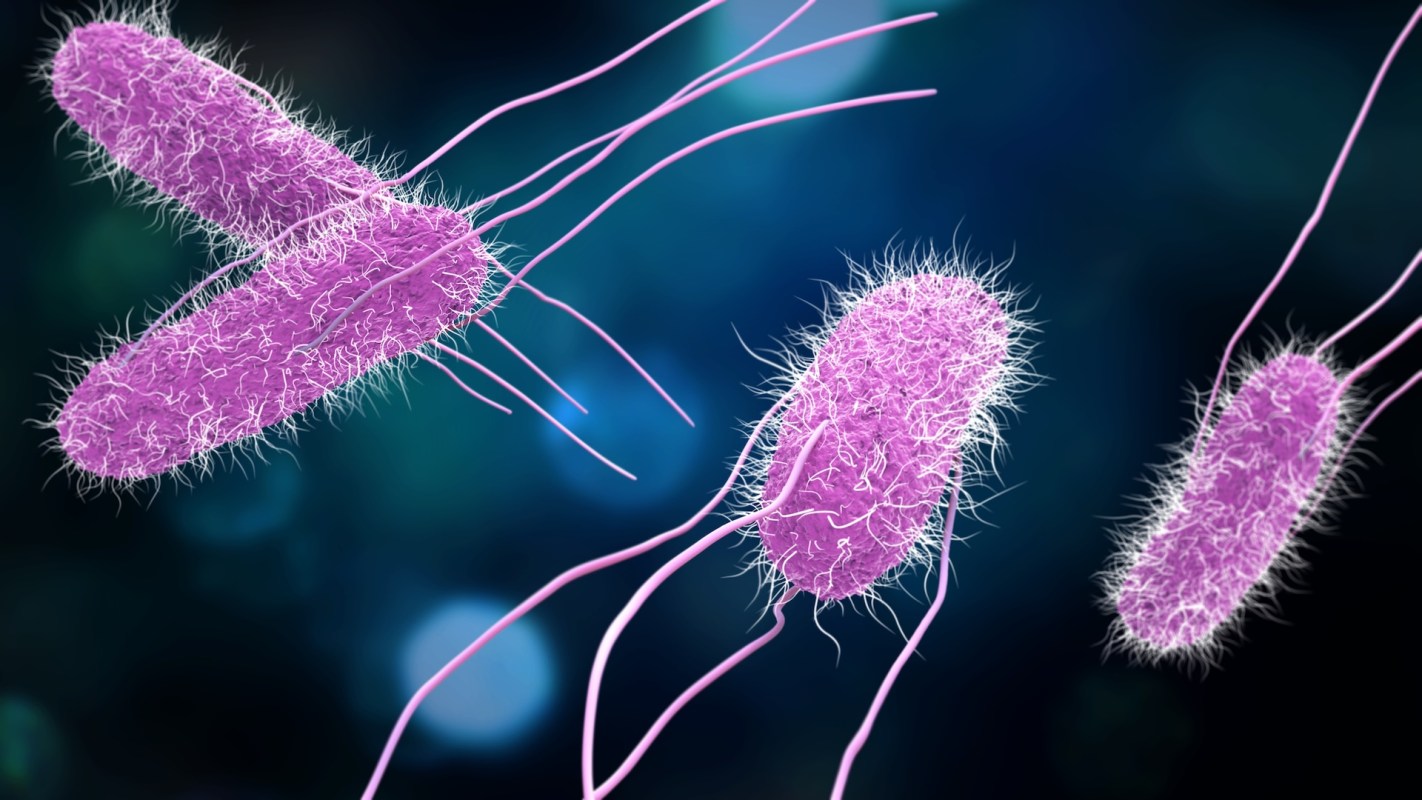
Even as investigators pin down some contaminated foods, the Food and Drug Administration is still juggling 12 open foodborne illness inquiries, four of which involve Salmonella.
The growing list of lingering unknowns is leaving consumers with an uneven picture of what is safe.
Here's what to know
Among the four active Salmonella cases, two still have no confirmed source, according to the FDA, as reported by Forbes. One of the unresolved outbreaks has caused at least 30 Salmonella-related illnesses, and the other has resulted in 97 additional cases.
Thankfully, the other two Salmonella inquiries have produced clearer answers. One Salmonella Enteritidis outbreak was traced to shelled eggs from Midwest Poultry Services and has been linked to 98 illnesses and 26 hospitalizations, per the FDA.
Separately, officials linked another Salmonella outbreak to jalapeños imported by Coast Citrus Distributors, prompting recalls by companies such as Taylor Fresh Foods and Whole Foods.
More background
Identifying contaminated products can be difficult once they have moved through a sprawling national supply chain. Food recalls can seem like isolated events, but they often point to broader structural problems in industrial food production.
TCD Picks » Quince Spotlight
💡These best-sellers from Quince deliver affordable, sustainable luxury for all




When ingredients and products move rapidly through growers, packers, distributors, retailers, and across state lines, a single contamination event can spread widely before anyone realizes something is wrong. And when source identification moves slowly, shoppers can unknowingly end up buying or consuming risky products.
The situation also raises concerns about oversight and prevention. Repeated outbreaks may reflect weak monitoring, supply-chain shortcuts, or inconsistent food safety standards at different stages of production.
Even when agencies eventually identify the source, delays can lead to more illnesses, more wasted food, and reduced public confidence in the food system. These outbreaks can lead to missed work, medical bills, hospital stays, and the added stress of figuring out whether food in the fridge or pantry is still safe to eat.

Get TCD's free newsletters for easy tips, smart advice, and a chance to earn $5,000 toward home upgrades. To see more stories like this one, change your Google preferences here.







